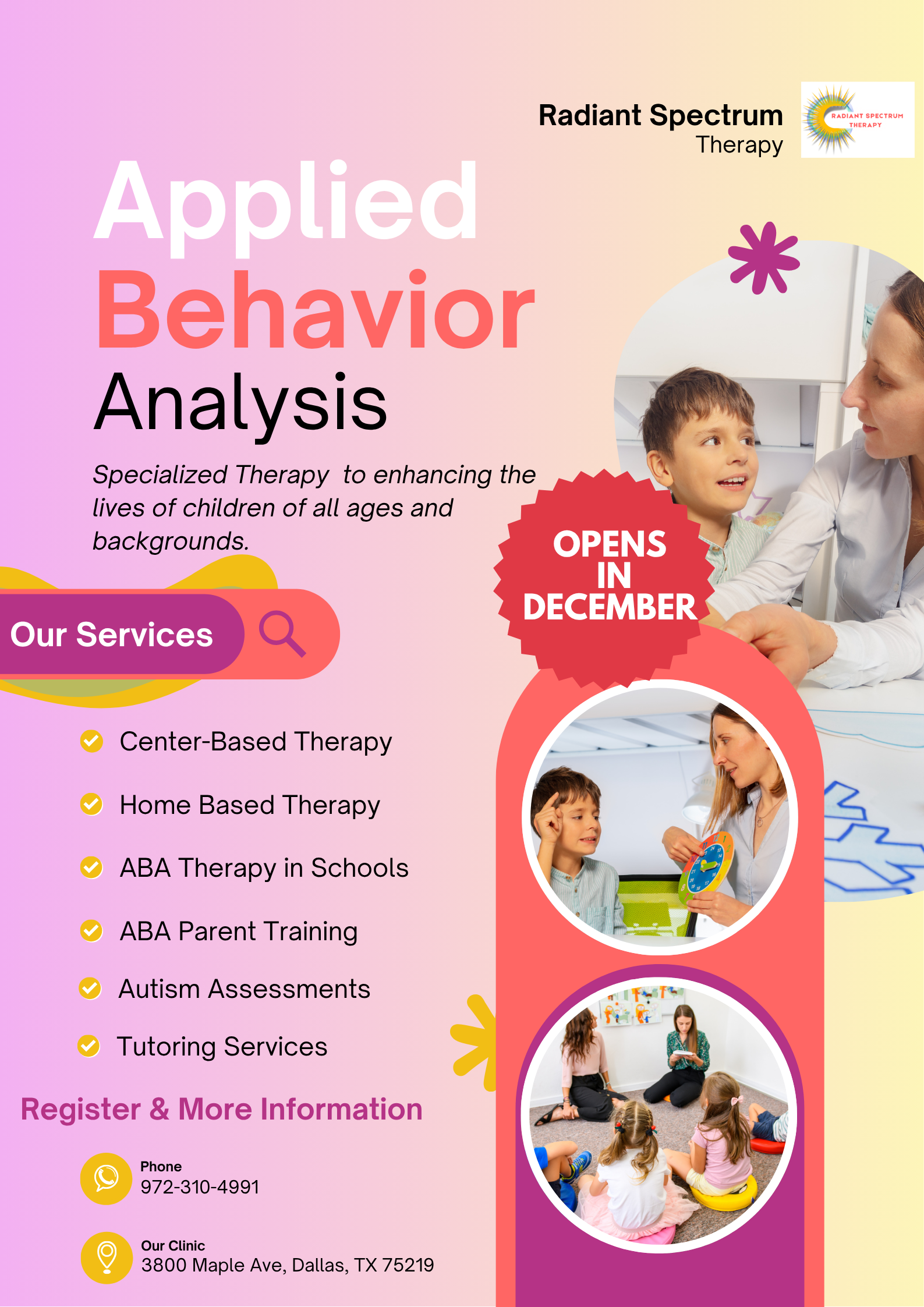

Applied Behavior Analysis (ABA) therapy is an evidence-based approach used to improve or change specific behaviors. It’s widely recognized as an effective intervention for individuals with autism spectrum disorder (ASD), helping them develop new skills, such as communication and social abilities, while reducing challenging behaviors.
However, navigating the world of ABA can be complex for families. This guide aims to provide clear, actionable advice on the do’s and don’ts of ABA therapy to help your family thrive in 2026 and beyond. We will explore best practices and common pitfalls.
To maximize the benefits of ABA therapy, a positive and collaborative approach is essential. Focusing on reinforcement, consistency, and clear communication can make a significant difference in a child’s progress. These practices help create a supportive environment where learning and growth can flourish.
Key Principles:
For effective ABA therapy, focus on these three key areas:
Positive Reinforcement: Do use praise, rewards, and encouragement to celebrate small victories and motivate your child. This builds confidence and makes learning enjoyable.
Consistency: Do maintain consistent routines and expectations across different settings (home, school, therapy) to help your child generalize skills.
Collaborate: Do work closely with your therapy team. Share insights, ask questions, and actively participate in creating and updating the treatment plan.
While focusing on what to do is important, it’s equally crucial to be aware of common pitfalls. Avoiding these can prevent frustration and ensure therapy remains a positive experience. This is key to long-term success and family well-being.
| Pitfall | Severity Score |
|---|---|
| Inconsistency | 8 |
| Focusing only on negatives | 9 |
| Lack of communication | 7 |
Here are some common practices to avoid to ensure a productive and healthy therapy journey for your child and family.
As we look towards 2026, setting clear and achievable goals is a powerful way to support your child’s development and strengthen your family’s journey with ABA therapy.
Focus on functional skills that improve daily life, like communication and independence. Celebrate progress, not just perfection, and remember to prioritize self-care for the entire family. A supportive and balanced home environment is the foundation for success. We believe that with the right approach, your family can achieve remarkable growth and create a radiant future together.