
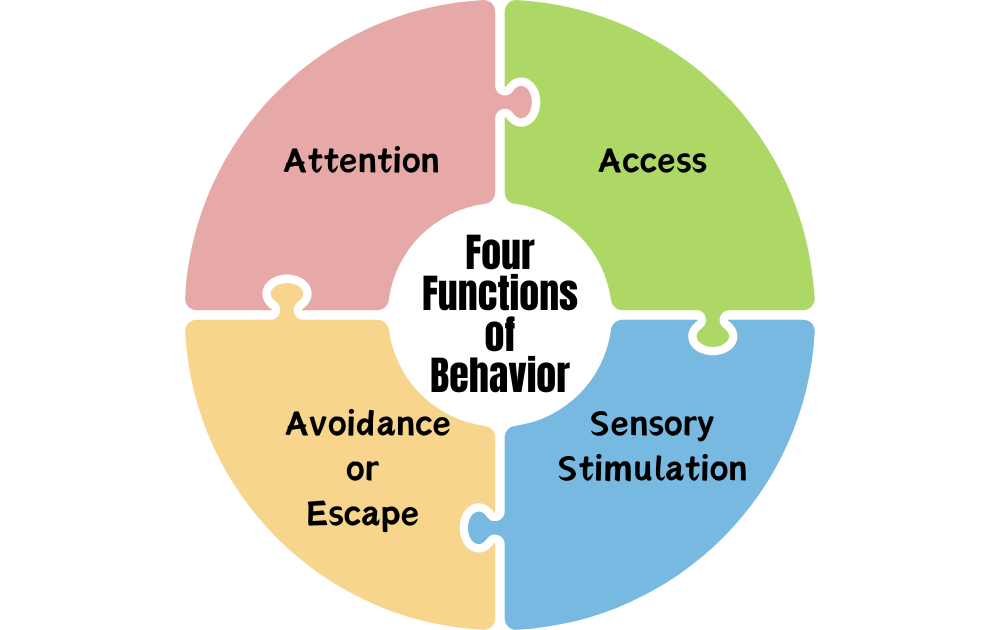
During child behavior assessment sessions, clinicians observe what happens immediately after behaviors occur. If the child receives the desired item or activity, the behavior is reinforced.
For example, a child might cry or resist transitioning to a new activity until a favorite toy is returned. At an Autism Clinic in Dallas, therapists teach children to request items appropriately and train caregivers to respond consistently, ensuring that communication replaces challenging behavior.
Integrating occupational therapy and tutoring for kids with ABA services can further support skill development and reduce behavior maintained by tangibles.
4. Automatic Reinforcement
Automatic reinforcement refers to behaviors that are self-stimulating or internally rewarding. These behaviors do not rely on external responses; they often serve sensory or emotional regulation purposes.
Examples include hand-flapping, rocking, or repeating sounds. These behaviors are common in children on the autism spectrum and are frequently discussed during autism assessment sessions.
At an ABA clinic, the goal is not to eliminate harmless self-stimulatory behavior but to provide safe and socially appropriate alternatives while teaching other functional skills.
How Autism Assessments Identify Behavior Functions
A thorough autism assessment includes structured observation, caregiver interviews, and autism assessment tools designed to capture a child’s behavior patterns across settings. Professionals look for patterns in attention-seeking, escape, access to tangibles, and automatic reinforcement to determine which behaviors serve which functions.
Families searching for ABA screening near me, Aba screening Dallas, or Autism testing Dallas often benefit from understanding that assessments go far beyond checklists. They involve careful behavioral observation for autism and consideration of the child’s strengths, preferences, and environmental triggers.
Why Understanding Behavior Matters
Recognizing that all behavior serves a purpose empowers parents to respond thoughtfully rather than react impulsively. When caregivers understand why a behavior occurs, frustration often turns into insight and collaboration.
In ABA Therapy, families are partners. They learn to implement behavior intervention strategies consistently across home and educational settings, which greatly increases the likelihood of success.
Support Beyond ABA
Many children benefit from a combination of services. Occupational therapy and tutoring for kids can address fine motor skills, sensory integration, and learning strategies, complementing ABA’s focus on functional communication and behavior.
A collaborative approach ensures that every intervention — whether behavior therapy for autism, ABA techniques, or occupational therapy — is aligned with the child’s goals. This holistic model supports long-term success.
If you’re exploring Aba therapy near me, behavior therapy Dallas, or autism therapy Dallas, it’s important to choose a provider who values data-driven assessment, family involvement, and individualized planning.
A reputable ABA clinic in Dallas uses behavior analysis for autism to understand why behaviors occur and develop effective strategies. Families often report that simply understanding the four functions of behavior transforms their approach and reduces daily stress.
Behavior is not a problem — it’s a message. By learning to interpret it through the lens of the four functions, families and professionals can build stronger relationships, teach new skills, and create supportive environments for children on the autism spectrum.
Contact us at 972–310–4991 or visit https://radiantspectrumtherapy.com/ to learn more.