Families exploring ABA Therapy often hear about token economy systems, but many are unsure how to apply them effectively outside of an ABA clinic. When used correctly, a token economy can be a practical, structured, and motivating system that supports consistency between home and an Autism clinic setting. This approach is frequently introduced in an Autism Clinic in Dallas, an Aba clinic in Dallas, and through ABA in Dallas programs to help families reinforce skills in everyday routines.
This blog explains what a token economy system is, why it is used in ABA Therapy, and how families can set up and maintain a simple, realistic system at home. The goal is to make reinforcement clear, fair, and meaningful while supporting progress that may be identified during Autism testing Dallas, an Autism test, or ABA screening near me searches that lead families to services such as ABA screening Dallas.
What Is a Token Economy System?
A token economy system is a structured reinforcement method commonly used in ABA Therapy. It works by awarding tokens for specific, clearly defined behaviors. These tokens do not have value on their own but can later be exchanged for a preferred reward.
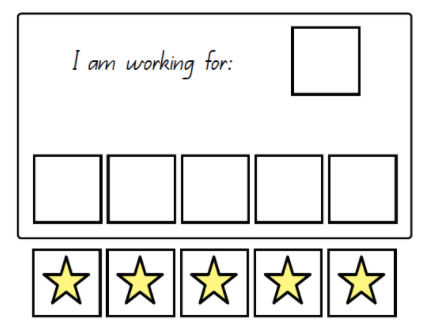
In an ABA clinic, tokens may be stars, points, chips, or checkmarks. At home, they can be stickers, coins, marbles, or even marks on a chart. What matters most is consistency and clarity. The system allows children to visually see progress, which can be especially helpful for families receiving services from an Autism Clinic in Dallas or participating in ABA in Dallas programs.
Token economies are often introduced after an Autism test or Autism testing Dallas process, when specific goals are identified. These goals then guide which behaviors earn tokens and how reinforcement is delivered.
Why Token Economies Are Used in ABA Therapy
Token economy systems are widely used in ABA Therapy because they:
- Provide immediate feedback
- Increase motivation
- Support consistency across environments
- Help break larger goals into manageable steps
In an ABA clinic, therapists use token systems to reinforce skills such as following instructions, completing tasks, or engaging appropriately during sessions. Families working with an ABA clinic in Dallas or an Autism clinic are often encouraged to carry similar systems into the home environment.
When children experience consistent expectations at home and in an ABA clinic, learning becomes more predictable and less stressful. This consistency is a key focus of ABA in Dallas services and is often discussed after ABA screening near me results are reviewed.
Key Components of a Token Economy System
Before setting up a system at home, it is important to understand the basic components that make token economies effective.
1. Target Behaviors
Target behaviors must be specific and observable. In ABA Therapy, vague goals are avoided. Instead of focusing on general ideas, families are encouraged to choose behaviors that can clearly be seen and measured.
Examples of target behaviors may be discussed during sessions at an Autism Clinic in Dallas or following Aba screening Dallas appointments.
2. Tokens
Tokens are earned immediately after the target behavior occurs. In an ABA clinic, immediate reinforcement is emphasized to strengthen learning.
At home, tokens should be:
- Easy to give
- Easy to track
- Visually clear
3. Backup Reinforcers
Backup reinforcers are the rewards that tokens can be exchanged for. These should be motivating and appropriate. Families working with an ABA clinic in Dallas often receive guidance on selecting meaningful reinforcers.
4. Exchange System
The child should know how many tokens are needed to earn a reward. This structure supports predictability and trust, which are central values in ABA Therapy.
Step-by-Step Guide to Setting Up a Token Economy at Home
Families receiving services through an Autism clinic, an Autism Clinic in Dallas, or ABA in Dallas can follow these steps to create a home-based system.
Step 1: Choose One or Two Behaviors
Start small. Focus on one or two behaviors that are important for daily routines. These behaviors are often identified during ABA screening near me evaluations or after an Autism test.
Clearly define what earns a token so expectations are consistent.
Step 2: Select a Token Type
Choose a token that fits your household. Stickers, poker chips, or check marks all work. Many families model their systems after what is used in their ABA clinic to increase familiarity.
Step 3: Decide on Rewards
Rewards should be realistic and sustainable. During discussions at an ABA clinic in Dallas, families are often encouraged to rotate rewards to maintain motivation.
Step 4: Create a Visual Chart
Visual charts help children track progress. This is a strategy commonly used in ABA Therapy and reinforced in ABA in Dallas programs.
Step 5: Teach the System
Explain the system clearly before using it. Many families find it helpful to practice during calm moments rather than introducing the system during challenging situations.
Maintaining Consistency at Home
Consistency is one of the most important factors in a successful token economy system. In an ABA clinic, therapists follow clear protocols, and similar consistency at home helps reinforce learning.
Families connected with an Autism Clinic in Dallas or ABA in Dallas services are often coached on maintaining routines, using the same language, and avoiding frequent changes to the system.
If changes are needed, they should be introduced gradually and explained clearly.
Common Challenges and How to Address Them
Loss of Interest
If motivation decreases, rewards may need to be updated. This is a common topic discussed in ABA Therapy sessions.
Inconsistent Follow-Through
Consistency can be difficult during busy days. Families working with an Autism clinic often plan simple systems that are easy to maintain.
Token Hoarding or Refusal to Exchange
Some children prefer collecting tokens rather than exchanging them. This can be addressed by clearly defining exchange times, a strategy frequently modeled in an ABA clinic.
How Token Economies Support Long-Term Skill Development
Token economy systems are not meant to last forever. In ABA Therapy, the goal is to gradually fade external reinforcement as skills become more natural.
Families receiving guidance from an ABA clinic in Dallas or an Autism Clinic in Dallas often learn how to reduce reliance on tokens over time while maintaining progress.
This process supports independence and confidence, which are often core goals following Autism testing Dallas and ongoing ABA in Dallas services.
Working With Professionals
Families do not have to implement token economies alone. Support from an ABA clinic, an Autism clinic, or providers offering ABA Therapy can help tailor systems to individual needs.
Professionals may review data from ABA screening near me, ABA screening Dallas, or an Autism test to ensure the system aligns with current goals.
Final Thoughts
A token economy system can be a powerful, practical tool when used thoughtfully at home. By aligning strategies with those used in an ABA clinic and maintaining consistency with ABA Therapy principles, families can create supportive environments that reinforce learning beyond the clinic setting.
For families connected with an Autism Clinic in Dallas, an ABA clinic in Dallas, or receiving ABA in Dallas services, token economies can help bridge the gap between structured sessions and everyday life. With clear expectations, meaningful reinforcement, and ongoing collaboration, these systems can support progress in a way that feels manageable and sustainable.
Contact us at 972–310–4991 or visit https://radiantspectrumtherapy.com/ to lear more.