
Teaching Social Skills and Managing Anxiety Through ABA Therapy: An Example Scenario with Mia

ABA Clinic
ABA therapy for anxiety

Children who experience anxiety often want to participate socially just as much as their peers, but overwhelming environments can make that feel extremely difficult. Loud classrooms, unpredictable routines, and group expectations can quickly trigger stress responses that may appear as disruptive behaviors. In reality, these behaviors are often a child’s way of communicating discomfort, fear, or the need for support.

At Radiant Spectrum Therapy, we focus on understanding the why behind behaviors. Using Applied Behavior Analysis (ABA) therapy, our clinicians work to identify emotional triggers, teach appropriate replacement skills, and help children build confidence across environments. Through thoughtful assessment and collaboration, children can learn how to manage anxiety while developing essential social skills.

This blog walks through an example scenario involving a child named Mia to demonstrate how ABA therapy for anxiety, emotional regulation, and social skill development can work together in real-life settings.

Meet Mia: A Child Navigating Anxiety in Noisy Environments

Mia is an elementary-aged child who is bright, creative, and eager to learn. However, she becomes overwhelmed in noisy environments — particularly her classroom. When the room becomes loud during group activities, transitions, or independent work time, Mia often shouts out unexpectedly.

From the outside, this behavior may look like defiance or attention-seeking. In reality, Mia’s shouting is her way of escaping an environment that feels overwhelming and unpredictable. She also struggles with group activities, finding it difficult to join peers during collaborative tasks or social play.

Like many children with anxiety, Mia does not yet have the tools to communicate her needs calmly or regulate her emotions in high-stimulation settings. This is where ABA therapy for children can make a meaningful difference.

Step One: Functional Behavior Assessment and Understanding Triggers

The Board Certified Behavior Analyst (BCBA) begins by conducting a comprehensive assessment. Through direct observation, data collection, and collaboration with teachers and caregivers, the BCBA identifies patterns in Mia’s behavior.

The assessment reveals two critical components:

  • Anxiety triggers: Loud noise, crowded spaces, and sudden transitions
  • Behavior function: Mia’s shouting serves as both an escape from overwhelming stimuli and a way to gain adult attention when she feels distressed

Understanding the function of the behavior allows the BCBA to design interventions that address Mia’s anxiety rather than simply trying to suppress the behavior. This approach is central to ethical and effective behavior intervention plans.

School-Based Intervention: Teaching Communication Instead of Shouting

In the classroom, the BCBA introduces a proactive support strategy known as a “quiet card” system. This small card gives Mia a simple, socially appropriate way to communicate when she feels overwhelmed.

Instead of shouting, Mia is taught to raise the card to signal that she needs a break from noise or stimulation. When she uses the card appropriately, the teacher responds by allowing a brief break or access to a quieter area of the classroom.

This intervention supports multiple goals:

By replacing shouting with a clear communication tool, Mia learns that calm behaviors are effective and respected. This is a key principle of ABA therapy in schools, where interventions are designed to support both the child and the learning environment.

Home and Clinic Support: Visuals and Positive Reinforcement

Consistency across settings is essential for long-term success. To support Mia outside of school, the BCBA designs complementary strategies for the home and clinic environments.

One of the primary tools used is a visual schedule. Transitions are often difficult for children with anxiety, so providing clear, predictable visuals helps Mia understand what is coming next. Picture schedules reduce uncertainty and give her a sense of control over her day.

In addition, the BCBA implements positive reinforcement for calm behavior. When Mia navigates transitions successfully, participates in activities without shouting, or uses coping strategies appropriately, she receives immediate positive feedback such as:

  • Verbal praise
  • High-fives
  • Small rewards tailored to her interests

This approach reinforces emotional regulation and builds Mia’s confidence. Over time, calm behavior becomes more natural and self-sustaining.

Teaching Social Skills in a Low-Pressure Environment

Beyond managing anxiety, Mia also needs support developing social skills. Group activities can feel intimidating, especially when noise and unpredictability are involved.

During clinic sessions and at home, the BCBA introduces structured social skill practice. This may include:

  • Turn-taking games
  • Role-playing common social situations
  • Practicing greetings and requests
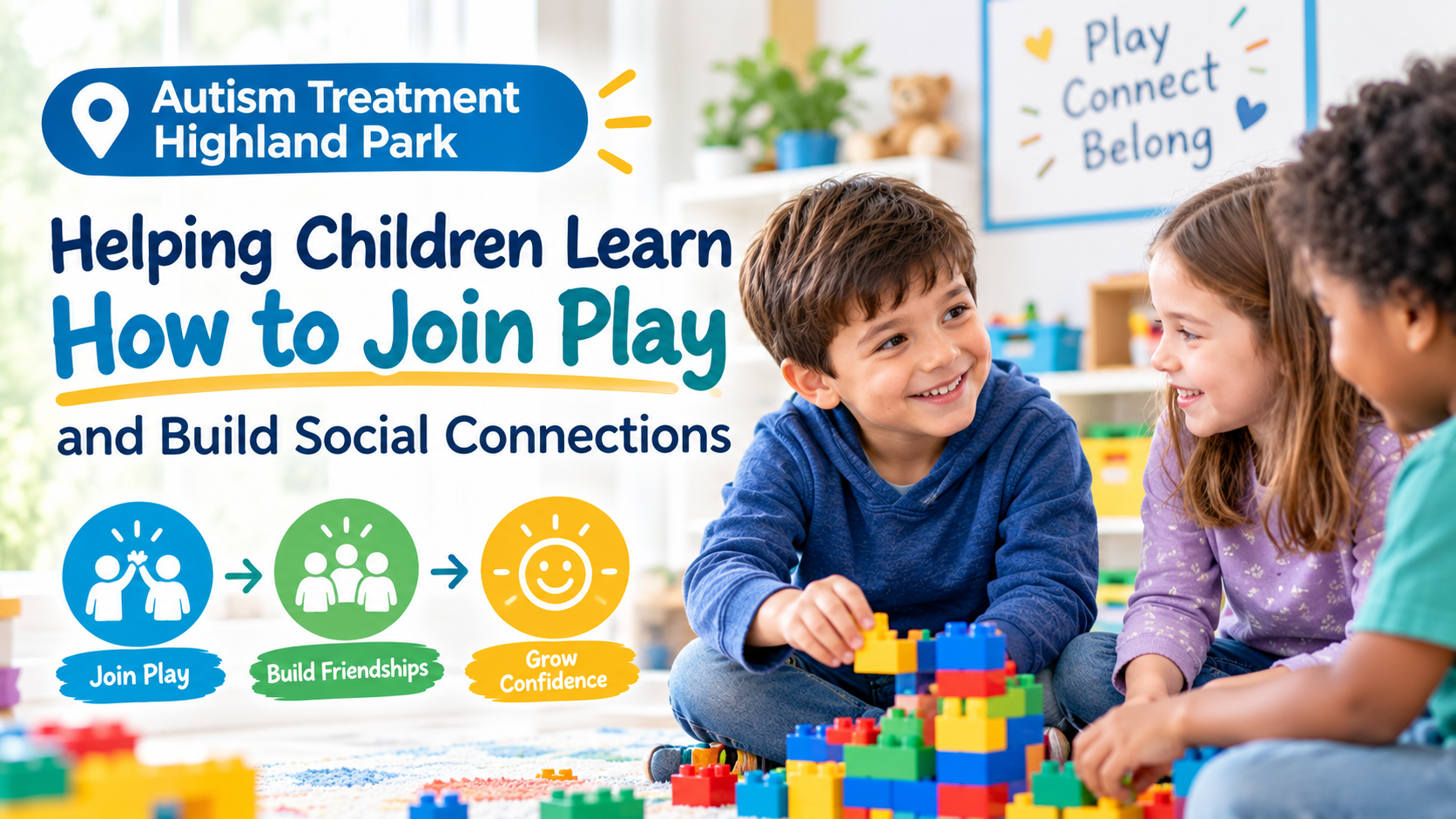
  • Learning how to join play appropriately

These activities are introduced gradually in calm, controlled environments before being generalized to larger group settings. This step-by-step approach allows Mia to build social confidence without feeling overwhelmed.

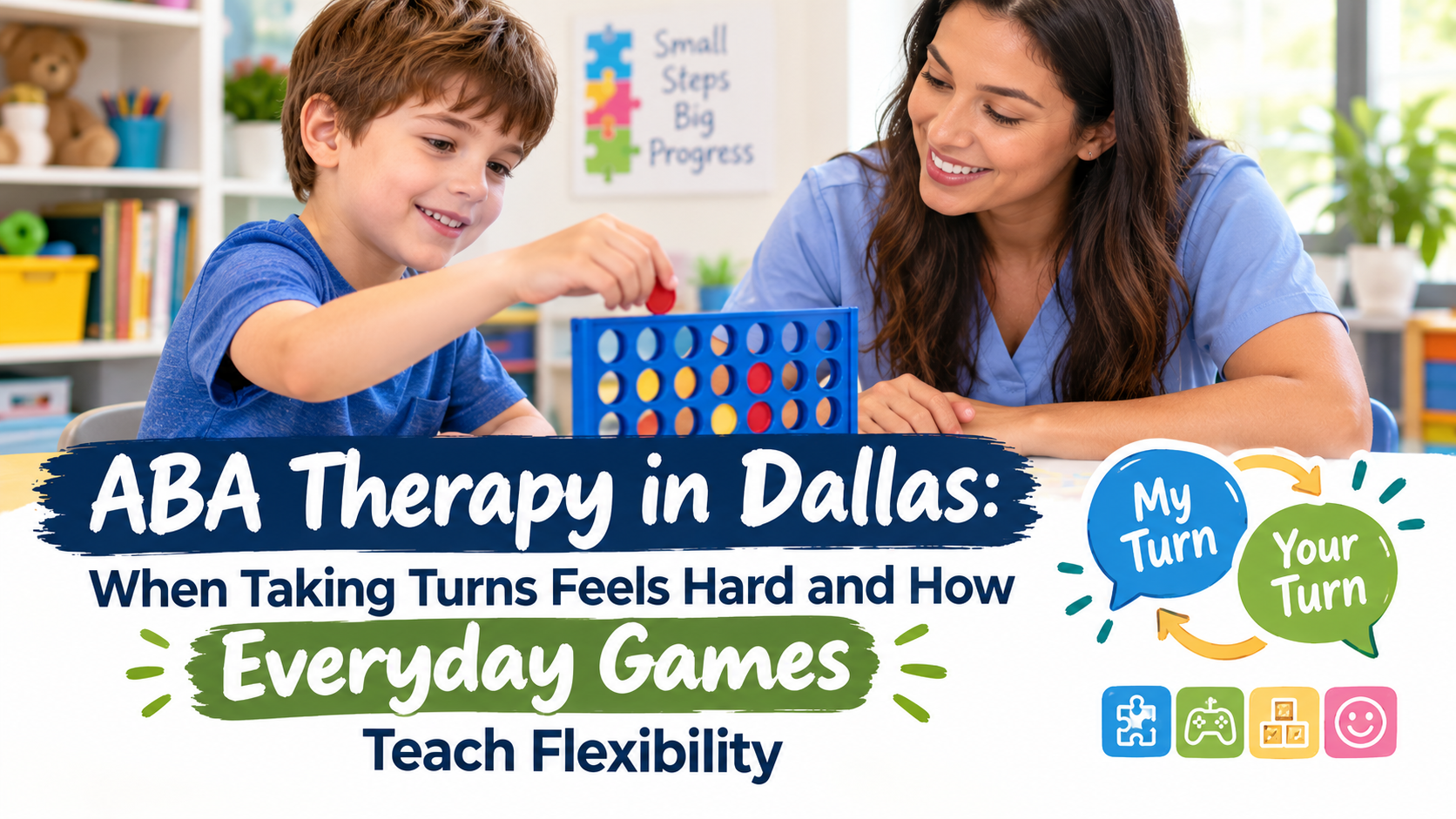
Social skills training through ABA therapy focuses on real-life application, helping children practice meaningful interactions rather than memorized scripts.

Collaboration with Teachers and Parents

One of the most important aspects of Mia’s success is collaboration. The BCBA works closely with her teachers to implement noise-management strategies in the classroom, such as:

  • Designated quiet areas
  • Noise-reducing headphones when appropriate
  • Clear expectations during group activities

At the same time, parents are coached on how to support Mia’s progress at home. They practice social skills during playdates, reinforce calm communication, and use consistent language and visuals.

This collaboration ensures that Mia receives the same messages and support across environments, which is essential for generalization of skills.

Progress Over Time: Building Confidence and Independence

With consistent implementation of her ABA treatment plan, Mia begins to show noticeable progress. Her shouting decreases significantly, and she starts using her quiet card independently. She becomes more comfortable participating in group activities and shows increased willingness to engage with peers.

Most importantly, Mia gains confidence in her ability to handle challenging situations. Instead of feeling overwhelmed and out of control, she learns that she has tools to manage her anxiety and communicate effectively.

This kind of growth reflects the true goal of ABA therapy for anxiety and social development — not just behavior change, but improved quality of life.

Why ABA Therapy Is Effective for Anxiety and Social Challenges

Children like Mia demonstrate how Applied Behavior Analysis can support emotional regulation, communication, and social success. By addressing the root causes of behavior and teaching practical skills, ABA therapy helps children feel understood, supported, and capable.

At Radiant Spectrum Therapy, we believe every child deserves individualized care that respects their unique needs and strengths. Through compassionate assessment, evidence-based interventions, and strong collaboration, children can learn to navigate their world with confidence.

Contact us at 972–310–4991 or visit https://radiantspectrumtherapy.com/ to learn more.
Share This :