For families navigating early childhood development, understanding what therapy actually looks like day to day can make all the difference. If your child has recently been diagnosed or is showing signs that extra support may help, you’ve probably heard about Applied Behavior Analysis (ABA). But what does it really look like for young children?
At Radiant Spectrum Therapy, we believe in making the process clear, approachable, and supportive for families. This guide walks you through what ABA therapy typically looks like for children ages 2–6, how sessions are structured, and what you can expect as a parent seeking Autism Treatment Highland Park.
Why Ages 2–6 Matter So Much
The early years are a critical window for development. Between ages 2 and 6, children are building foundational skills in communication, behavior, social interaction, and independence. During this stage, therapy can have a powerful and lasting impact.
That’s why many families begin ABA therapy Highland Park, TX during these years. The goal is not just to reduce challenging behaviors, but to help children learn how to communicate, play, and engage with the world around them.
What Is ABA Therapy, Really?
ABA therapy is a structured, evidence-based approach to understanding and improving behavior. It focuses on teaching skills in small, manageable steps while reinforcing positive behaviors.
For young children, this doesn’t look like sitting at a desk doing drills all day. Instead, it’s play-based, interactive, and tailored to your child’s interests.
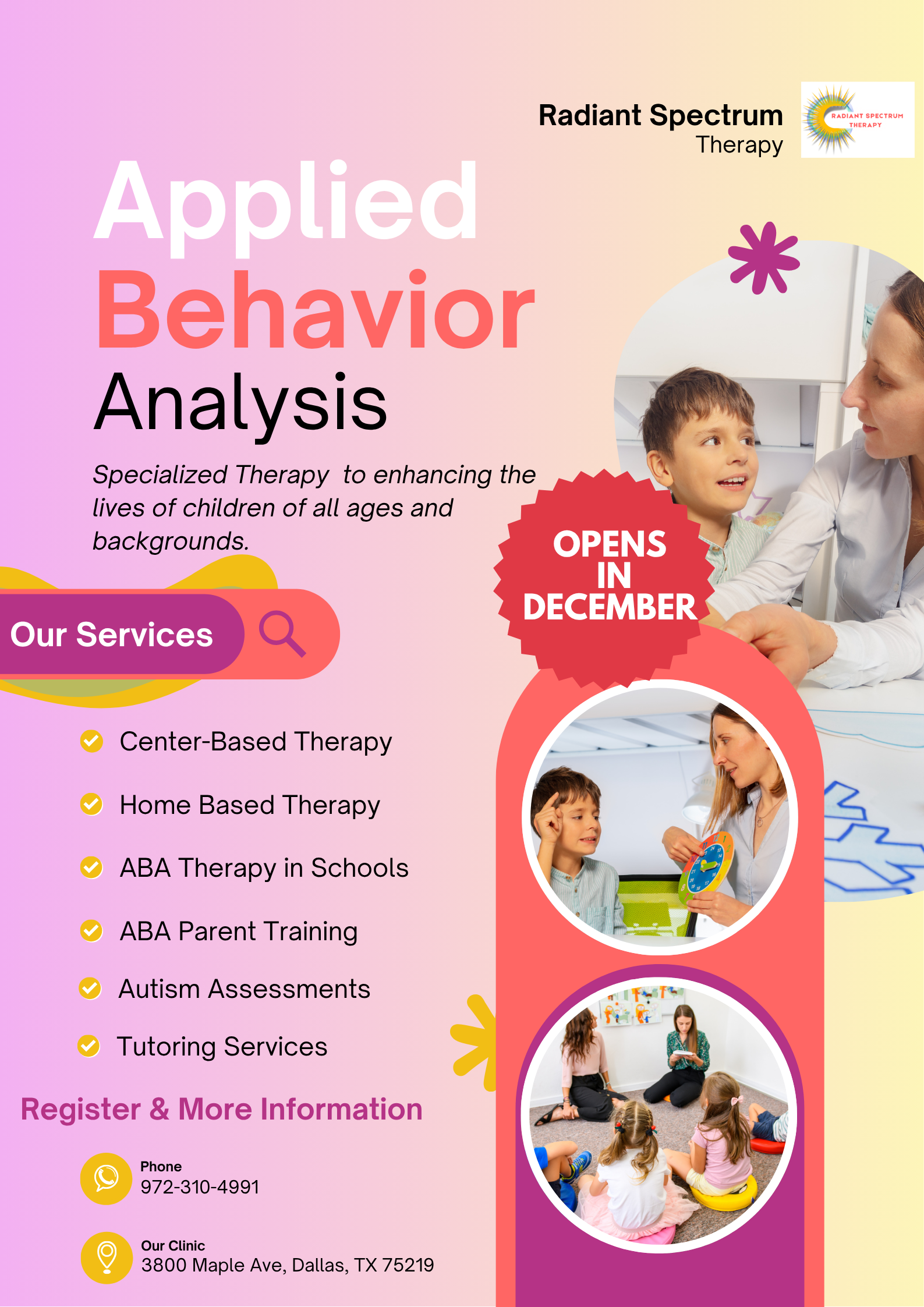
Whether you’re exploring center-based autism services or in-home ABA therapy Dallas, the core principles remain the same:
- Break skills into small steps
- Use positive reinforcement
- Practice consistently
- Track progress closely
A Typical Day in ABA Therapy (Ages 2–6)
1. Warm Welcome and Transition
Young children thrive on routine. Whether they’re attending a Center-Based ABA program or receiving Home-Based ABA Therapy, sessions usually begin with a consistent greeting and transition activity.
This might include:
- Free play with preferred toys
- Greeting their therapist
- Reviewing a visual schedule
This helps the child feel comfortable and ready to learn.
2. Play-Based Learning
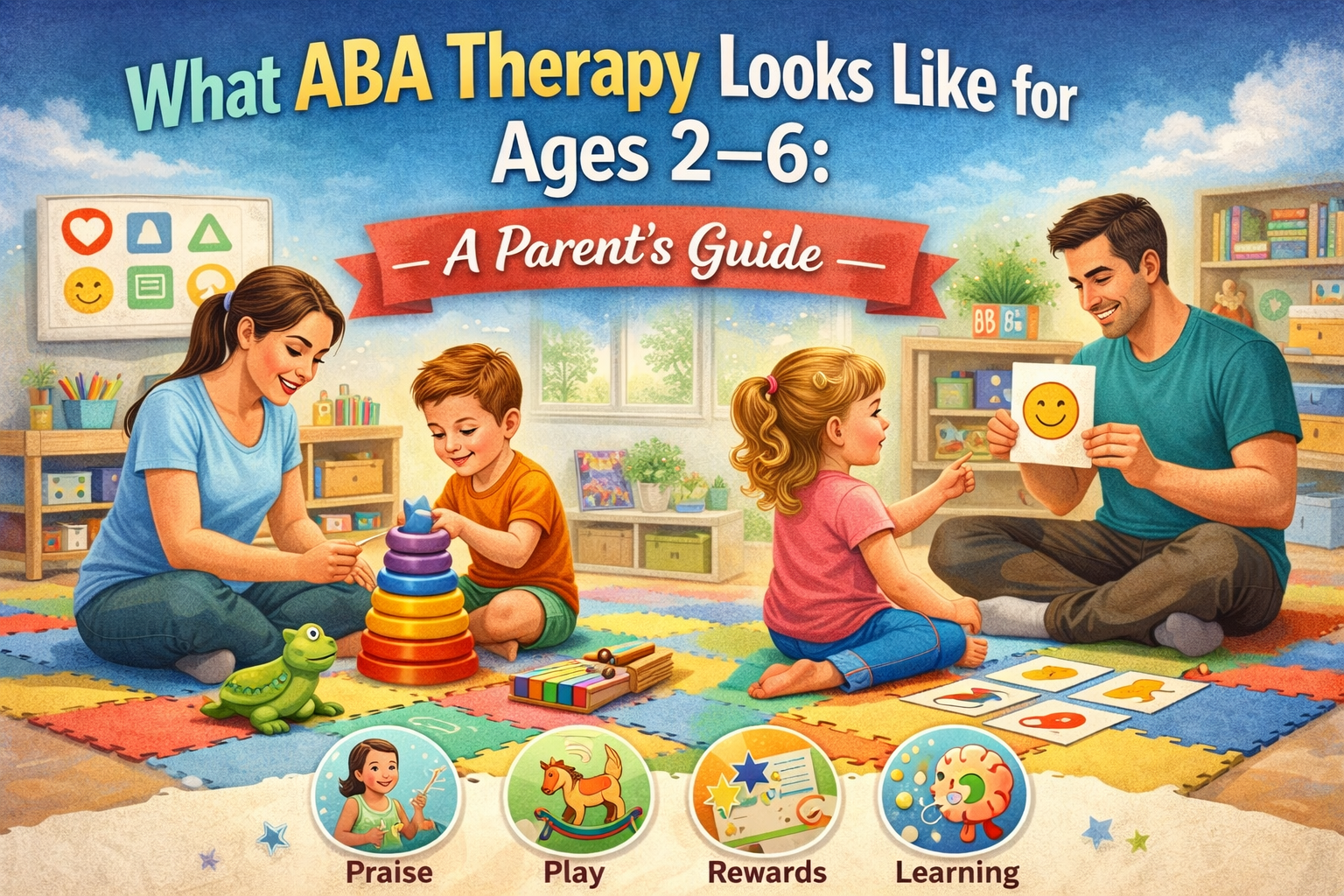
For children ages 2–6, learning happens through play. Therapists design activities that look fun but are carefully structured to teach specific skills.
Examples include:
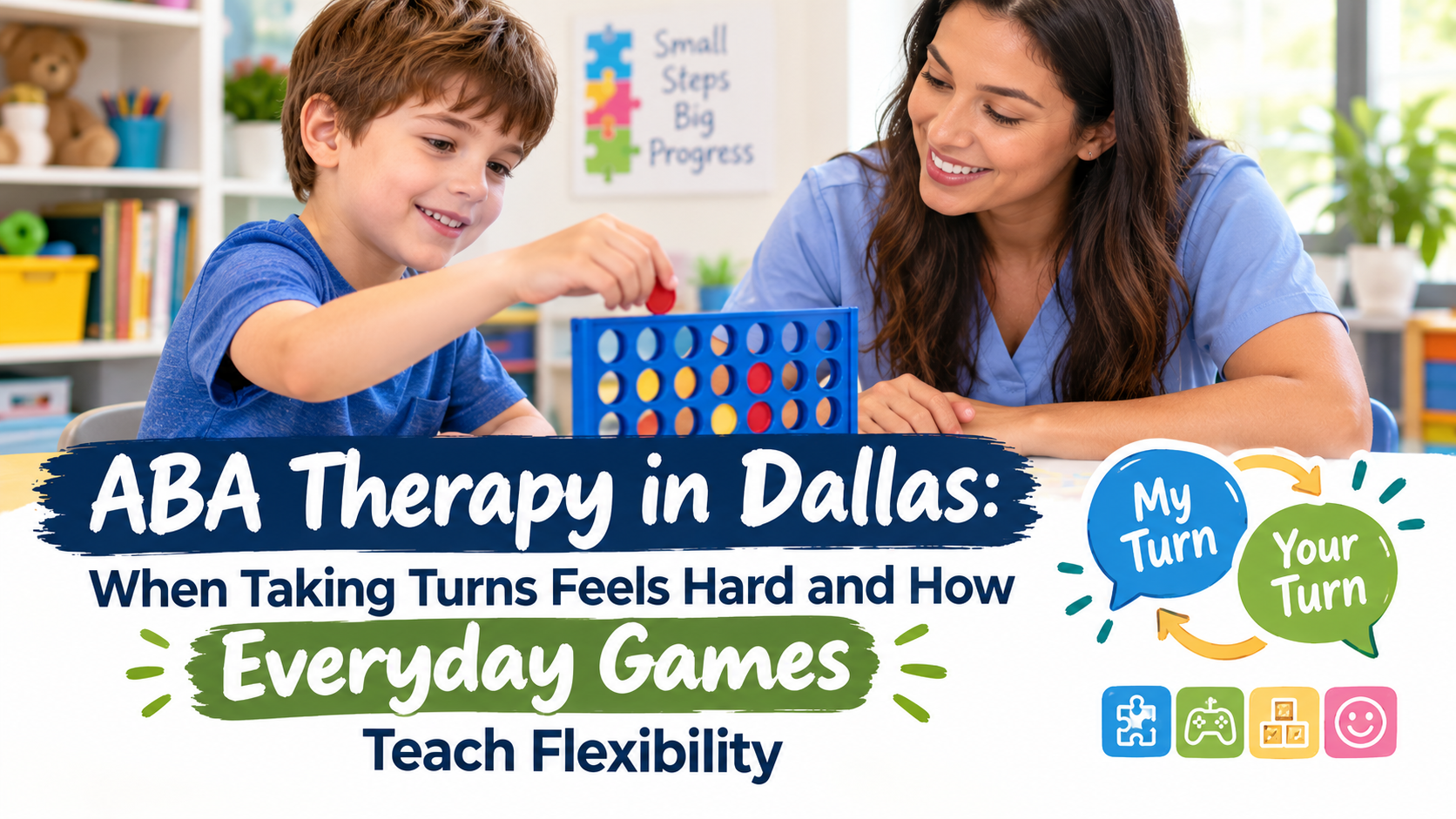
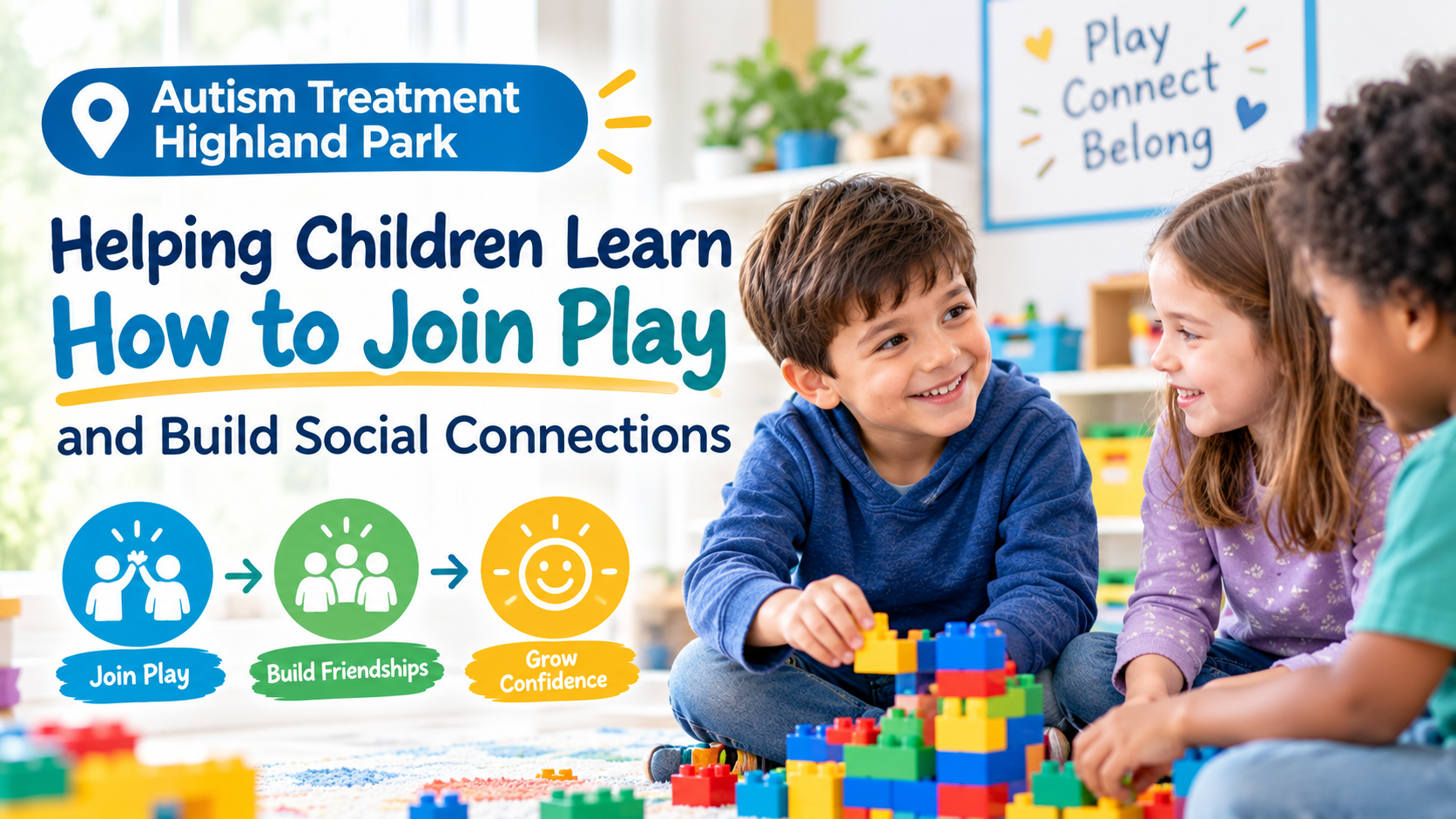
- Building blocks to teach requesting and turn-taking
- Pretend play to encourage imagination and communication
- Matching games for early learning skills
At a local ABA clinic Texas, you’ll often see therapy rooms filled with toys, sensory items, and engaging materials. It may look like playtime — but every interaction has a purpose.
3. Communication Development
One of the biggest focuses at this age is communication.
Depending on the child, this might involve:
- Learning first words
- Expanding vocabulary
- Using gestures or picture systems
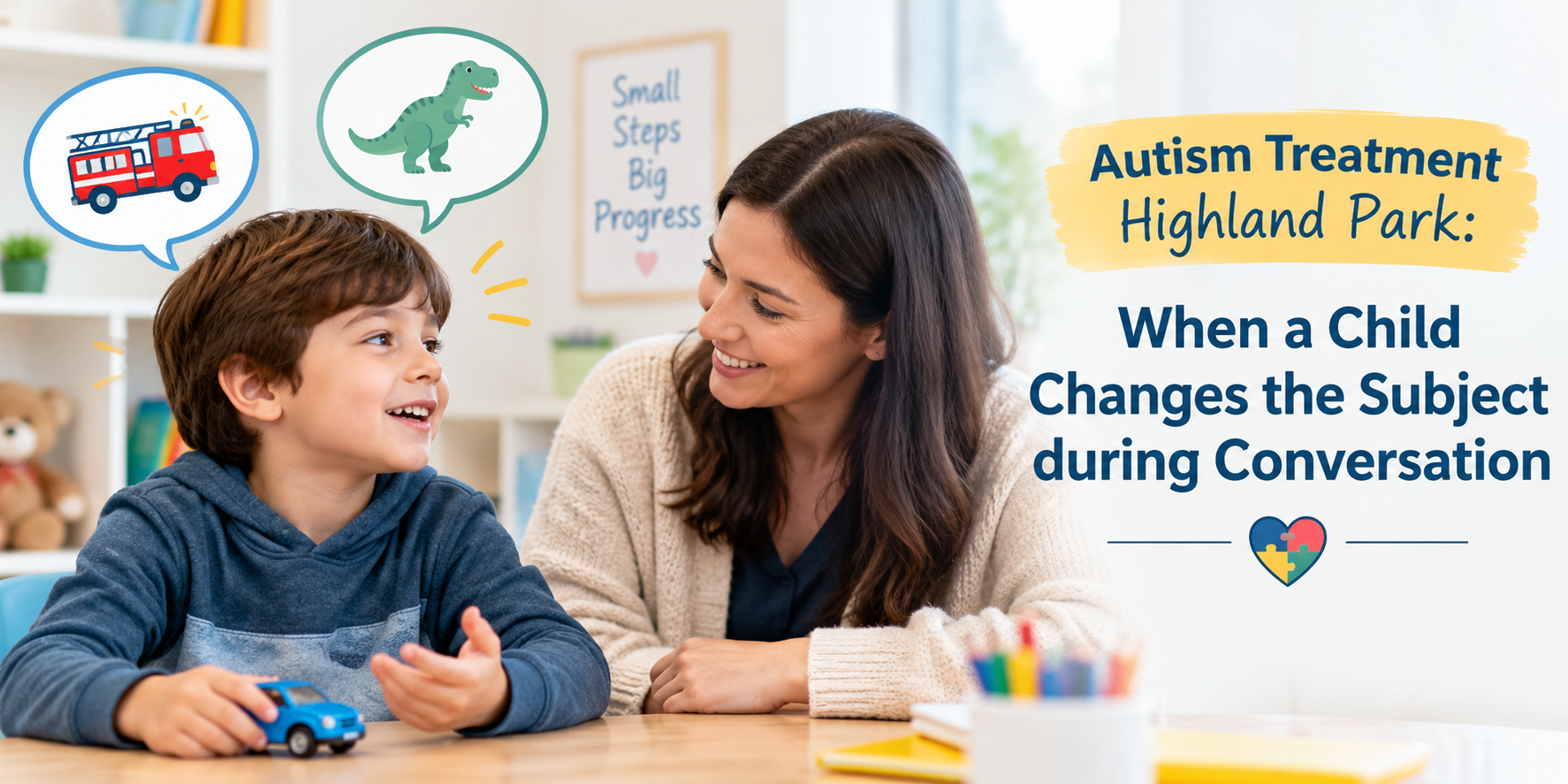
- Practicing back-and-forth conversation
Children receiving behavioral therapy Park Cities often work on requesting what they want instead of becoming frustrated. Over time, this reduces tantrums and builds confidence.
4. Social Skills Practice
Social development is another key part of early ABA therapy.
In center-based autism services, children may have opportunities to:
- Play alongside peers
- Practice sharing and taking turns
- Participate in small group activities
For children in Home-Based ABA Therapy, therapists may simulate social situations or involve siblings to build these skills naturally.
5. Behavior Support
ABA therapy helps children understand expectations and develop positive behaviors.
Instead of punishment, therapists:
- Identify the reason behind behaviors
- Teach alternative skills
- Reinforce appropriate responses
Families seeking pediatric behavioral health Highland Park often notice improvements in:
- Tantrums
- Transitions between activities
- Following directions
6. Daily Living Skills
For ages 2–6, independence is a major goal.
Therapists may work on:
- Potty training
- Handwashing
- Dressing
- Cleaning up toys
These everyday skills are essential for school readiness and long-term independence.
Center-Based vs. In-Home ABA Therapy
Parents often ask whether to choose a clinic setting or therapy at home. The answer depends on your child’s needs.
Center-Based ABA
A structured environment designed specifically for learning. At a local ABA clinic Texas, children benefit from:
- Fewer distractions
- Access to specialized materials
- Opportunities for peer interaction
This is a great option for families looking for ABA providers 75205 who offer a consistent and immersive learning environment.
In-Home ABA Therapy
Therapy takes place in your child’s natural environment.
With in-home ABA therapy Dallas, children can:
- Learn skills where they actually use them
- Practice real-life routines
- Feel more comfortable in familiar surroundings
This option is especially helpful for younger children or those who struggle with transitions.
The Role of Parents in ABA Therapy
Parents are a central part of the process. Therapy doesn’t stop when the session ends — it continues in daily life.
That’s why ABA Parent Training is so important.
Through parent training for autism, you’ll learn:
- How to reinforce skills at home
- How to respond to challenging behaviors
- How to create consistent routines
Families involved in Autism Treatment Highland Park often see faster progress when parents actively participate.
What Progress Looks Like
Every child is different, so progress will vary. However, many families notice improvements in:
- Communication (more words, gestures, or requests)
- Behavior (fewer tantrums, better transitions)
- Social interaction (engaging with others, making eye contact)
- Independence (self-care and daily routines)
With consistent therapy — whether through Center-Based ABA or Home-Based ABA Therapy — these small gains add up to meaningful change over time.
What Makes ABA Therapy Effective at This Age
For children ages 2–6, success comes from a few key factors:
Early Intervention
Starting early allows therapists to build foundational skills before habits become deeply ingrained.
Individualized Plans
No two children are the same. Programs are tailored to each child’s strengths, needs, and interests.
Consistency
Whether you choose ABA therapy Highland Park, TX or services elsewhere, consistency across therapists and caregivers is essential.
Family Involvement
Through ABA Parent Training, families become active partners in their child’s growth.
Choosing the Right Provider
When looking for services, families often search for ABA providers 75205 or nearby areas. It’s important to find a provider that offers:
- Experienced and compassionate therapists
- Structured yet flexible programs
- Options for both center-based autism services and in-home ABA therapy Dallas
- Strong parent support through parent training for autism
The right environment should feel supportive, welcoming, and focused on your child’s success.
Final Thoughts
ABA therapy for ages 2–6 is not one-size-fits-all — it’s dynamic, engaging, and tailored to each child’s unique needs. From play-based learning to structured skill-building, every session is designed to help children grow in meaningful ways.
Whether your child is receiving services through a local ABA clinic Texas or participating in Home-Based ABA Therapy, the goal remains the same: to build communication, independence, and confidence during these critical early years.
For families exploring behavioral therapy Park Cities or pediatric behavioral health Highland Park, understanding what therapy looks like can bring clarity and peace of mind. With the right support, children don’t just learn — they thrive.
Contact us at 972–310–4991 or visit https://radiantspectrumtherapy.com/ to learn more.