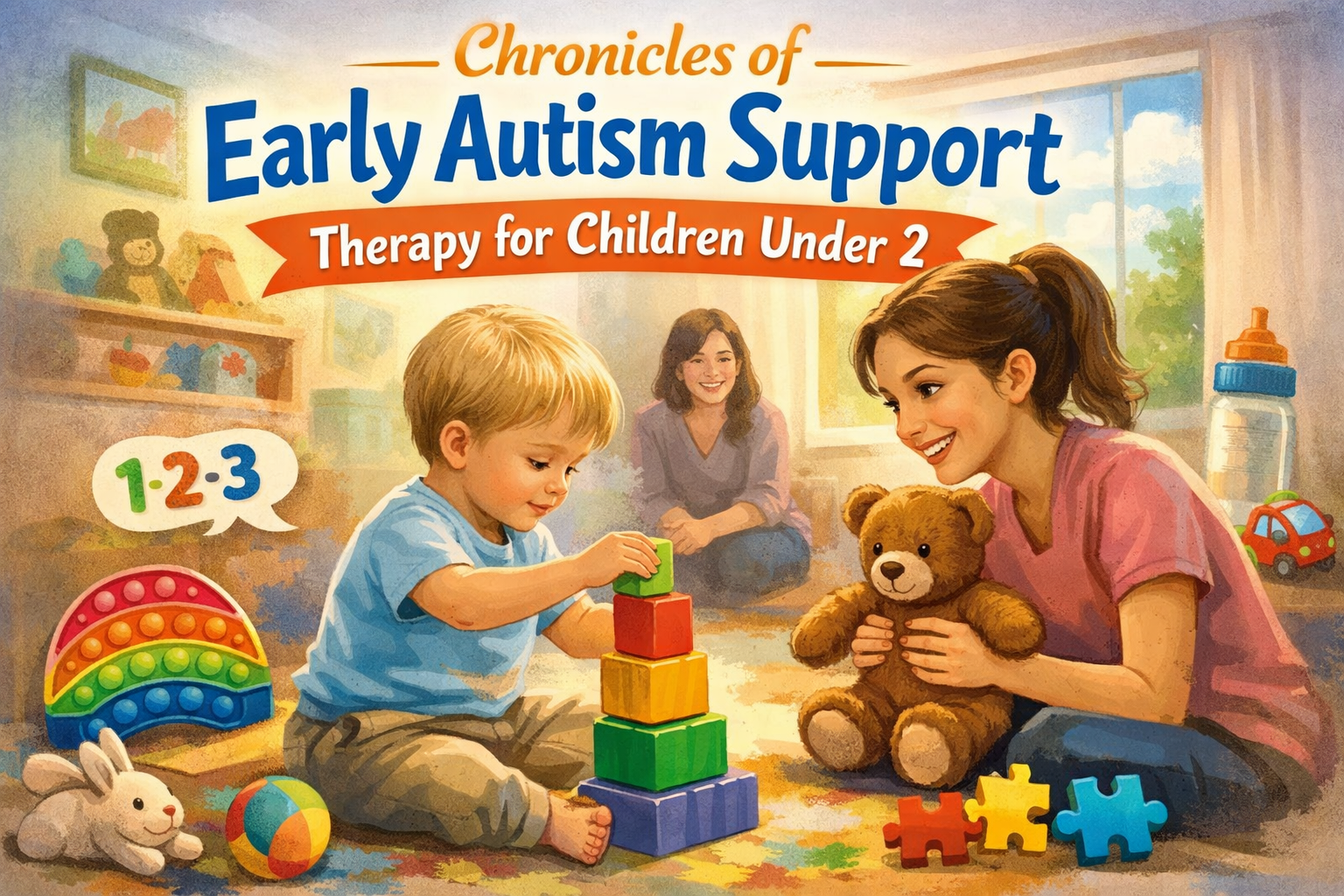
Chronicles of Early Autism Support: Therapy for Children Under 2
ABA Therapy Highland Park is often one of the earliest lifelines families discover when they begin noticing developmental differences in their child before the age of two. Those first signs can be subtle — limited eye contact, delayed babbling, lack of response to name — but for parents, they carry enormous weight. This stage is not about labels or fear; it’s about understanding, connection, and early support.
Working with children under two years old requires a completely different mindset than working with older children. At this age, therapy is less about structured instruction and more about building trust, engagement, and foundational communication. Every smile, every sound, every moment of shared attention matters. These are the building blocks that shape future learning.
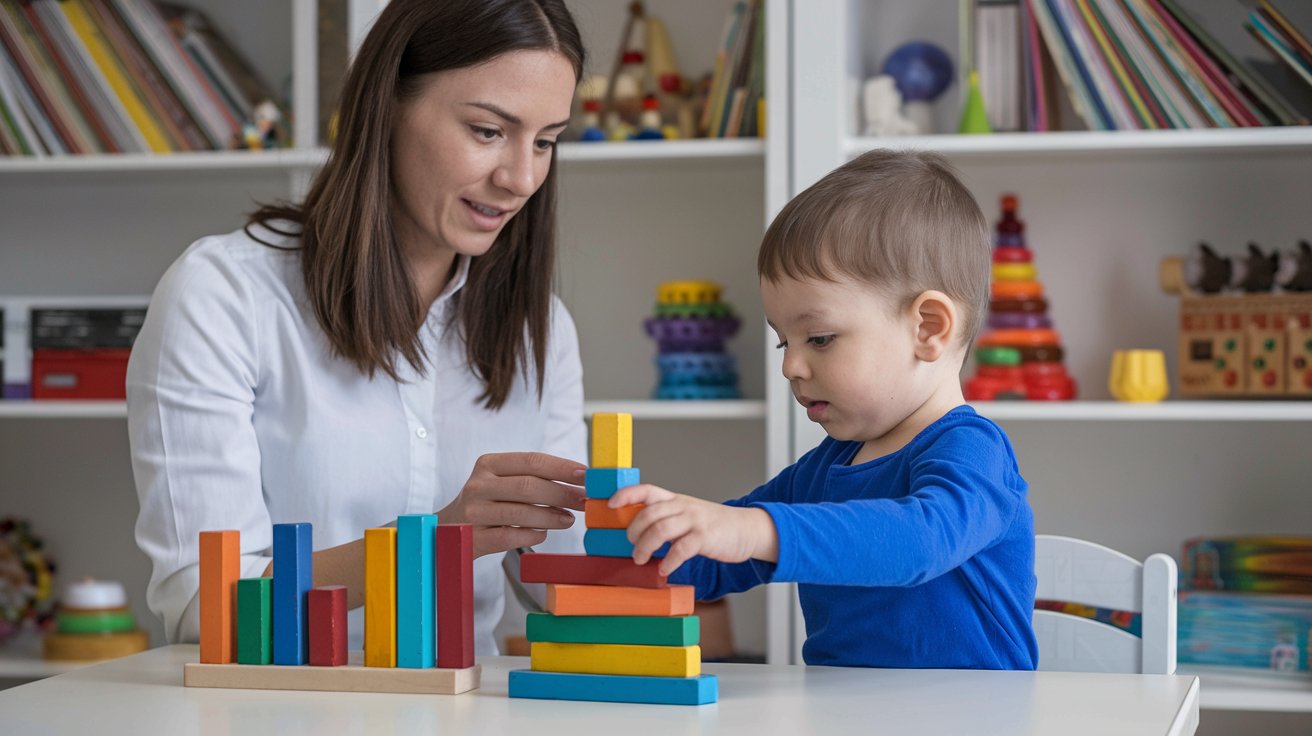
When families begin exploring Center-Based ABA, they often imagine structured therapy sessions, but for toddlers, it looks much more like guided play. Therapists create an environment where learning feels natural, safe, and engaging.
At under two years old, the primary goals include:
Therapy sessions might involve something as simple as rolling a ball back and forth, playing peek-a-boo, or singing repetitive songs. These activities are intentional. They teach turn-taking, anticipation, and connection.
In a center setting, consistency is key. The environment is controlled, distractions are minimized, and therapists can carefully track progress. But even more importantly, children begin to associate learning with fun and comfort.
Teaching toddlers with autism requires patience, creativity, and a deep understanding of developmental milestones. There is no “one-size-fits-all” approach — every child responds differently.
One of the most effective strategies is following the child’s lead. Instead of directing play, therapists observe what the child is naturally interested in and use that as a gateway for interaction. If a child loves spinning wheels, that becomes an opportunity to introduce eye contact, shared attention, or simple communication.
Another critical technique is pairing. This means the therapist becomes associated with positive experiences. Before any demands are introduced, the focus is on building a relationship. The child learns: this person is safe, fun, and rewarding to be around.
Repetition is also essential. Skills are practiced consistently but in ways that don’t feel forced. A simple action like clapping hands may be repeated dozens of times across different activities until it becomes natural.
ABA Therapy Highland Park emphasizes breaking down skills into the smallest possible steps. For example:
Each step is celebrated because each step is progress.
Parents are the most important part of any therapy plan, especially for children under two. That’s where ABA Parent Training becomes essential.
Therapy doesn’t stop when a session ends — it continues throughout the child’s daily life. Parents learn how to:
For example, if a child reaches for a toy without making eye contact, a parent might gently pause and wait for even a brief glance before giving it. These small moments teach powerful lessons.
Parent training is not about perfection — it’s about confidence. When parents understand how to support their child, they feel more empowered and less overwhelmed.
In many cases, the most meaningful progress happens at home, in familiar environments, with the people the child trusts most.
For very young children, Home-Based ABA Therapy offers a unique advantage. The home is where children feel safest, and that sense of security can significantly improve engagement.
Therapists work within the child’s natural routines:
In the home setting, therapy blends seamlessly into everyday life. There’s no need to transition to a new environment, which can sometimes be overwhelming for toddlers.
Another benefit is the ability to address real-life challenges as they happen. Whether it’s difficulty transitioning between activities or limited interaction with siblings, therapy can be tailored in real time.
ABA Therapy Highland Park providers often recommend a combination of home and center-based approaches, depending on the child’s needs. This balance allows children to generalize skills across different environments.
Registered Behavior Technicians (RBTs) play a hands-on role in early intervention. Working with children under two requires more than technical knowledge — it requires warmth, intuition, and adaptability.
An effective RBT:
At this age, progress is not measured in big milestones alone. It’s measured in moments:
RBTs are trained to recognize and build on these moments.
They also maintain close communication with supervisors and parents, ensuring consistency across all environments. This team approach is critical in autism treatment Highland Park, where early intervention can shape long-term outcomes.
Starting autism treatment Highland Park before the age of two can make a profound difference. The brain is highly adaptable during this stage, making it an ideal time to build foundational skills.
Early intervention can help:
But beyond measurable outcomes, early therapy helps children connect with the world around them. It opens doors to interaction, expression, and understanding.
For families, it also provides clarity and direction during a time that can feel uncertain.
Every child’s journey is unique, but the early years are universally important. Whether through Center-Based ABA, Home-Based ABA Therapy, or a combination of both, the goal remains the same: to help each child reach their full potential.
ABA Therapy Highland Park is not just about teaching skills — it’s about building relationships, fostering confidence, and creating opportunities for connection.
The work done before the age of two may seem small in the moment, but it lays the groundwork for everything that follows.
ABA Therapy Highland Park is an early intervention approach that focuses on helping young children with autism develop communication, social, and learning skills through structured and play-based techniques.
Center-Based ABA provides a structured environment where toddlers can build foundational skills through guided play, consistency, and professional support.
ABA Parent Training teaches parents how to support their child’s development at home, helping reinforce skills learned during therapy sessions and creating more learning opportunities.
Yes, Home-Based ABA Therapy allows children to learn in a familiar environment, making it easier to integrate therapy into daily routines and improve engagement.
Autism treatment Highland Park for toddlers focuses on early communication, social interaction, and play skills, using gentle and engaging methods tailored to each child’s developmental level.
Contact us at 972–310–4991 or visit https://radiantspectrumtherapy.com/ to book your service.