

Helping Children Thrive After ABA Therapy

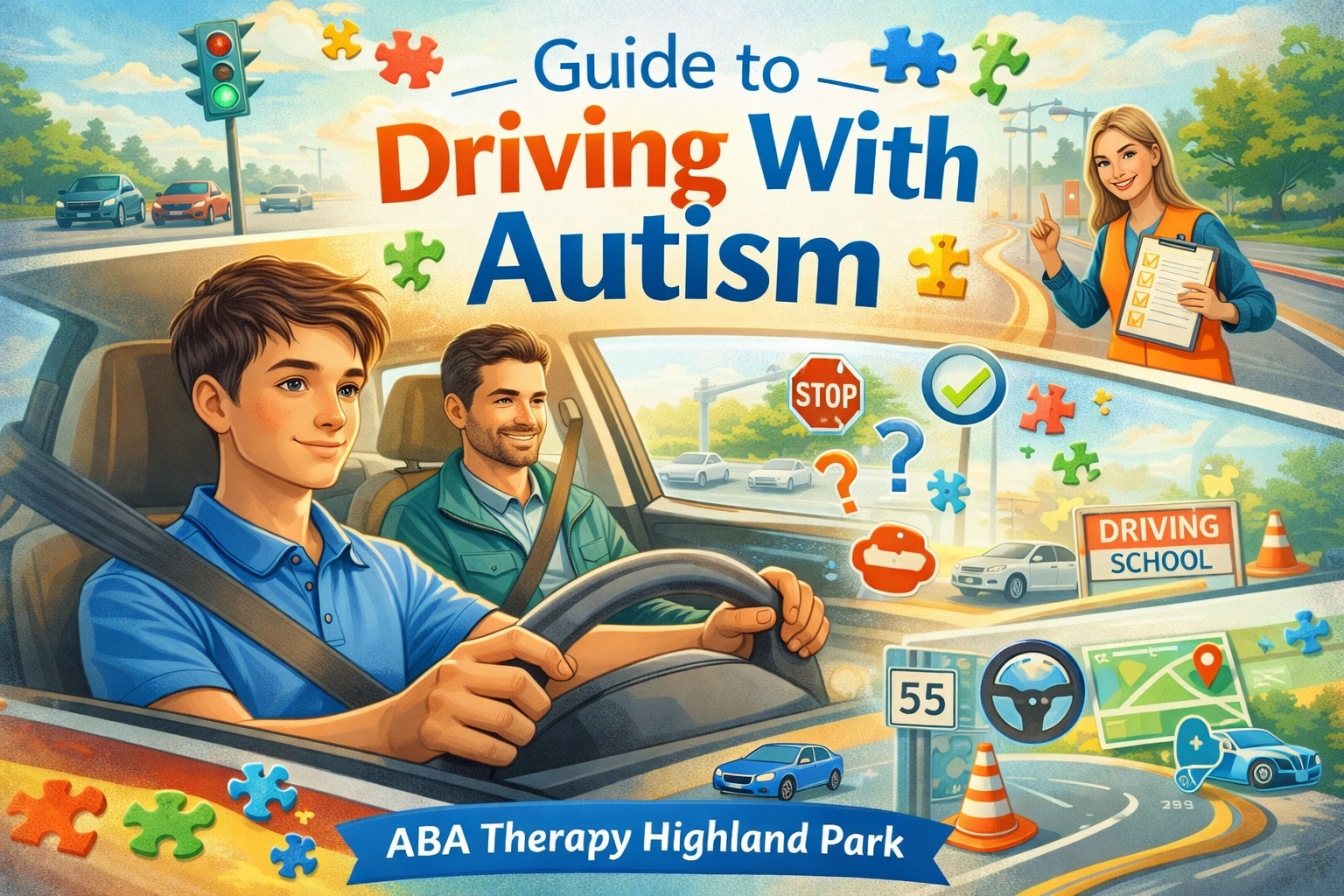
Looking for trusted autism services Dallas TX families can rely on? Learning to drive is an important milestone for many individuals, but for people on the autism spectrum, the journey to becoming a safe and confident driver may require extra preparation, support, and understanding.
Driving offers independence, freedom, and access to work, school, and social activities. However, individuals with autism may experience unique challenges related to sensory processing, communication, and reaction to unexpected situations on the road. With the right guidance, structured learning, and supportive therapy services, many individuals on the spectrum can become capable and responsible drivers.
For families seeking autism services Dallas TX, having the right support system in place can make a major difference. Programs that focus on behavioral development, communication skills, and confidence building help individuals prepare for real-world experiences like driving.
This guide explores practical tips, safety strategies, and supportive resources that can help autistic individuals and their families approach driving with confidence.
Driving requires the ability to process multiple forms of information at once. Drivers must watch traffic signals, monitor surrounding vehicles, respond to road signs, and anticipate unpredictable situations. For individuals with autism, certain aspects of driving may feel overwhelming at first.
Common challenges may include:
Despite these challenges, many autistic individuals successfully learn to drive with structured guidance and patient instruction. Families searching for autism services Dallas TX often find that behavioral therapy programs help build the skills needed to manage stress, follow instructions, and stay focused during complex tasks like driving.
One of the most effective ways to support skill development is through Center-Based ABA programs. Applied Behavior Analysis (ABA) focuses on strengthening practical skills through structured learning and positive reinforcement.
While ABA therapy does not directly teach driving, it helps individuals develop abilities that are essential for driving success.
These foundational skills may include:
Through Center-Based ABA, therapists work in structured environments where individuals can practice real-life scenarios and learn strategies for staying calm and focused.
Families who use autism services Dallas TX often find that these structured learning environments provide the consistency needed to build confidence and independence over time.
Parents play a critical role when helping teens or young adults with autism learn new life skills. ABA Parent Training programs are designed to equip caregivers with strategies they can use at home to support development.
When it comes to preparing for driving, parents can reinforce many of the skills learned in therapy.
Examples of supportive strategies include:
Through ABA Parent Training, parents learn how to guide their child through real-life experiences while reinforcing positive behaviors.
For families seeking autism services Dallas TX, parent training programs often become one of the most valuable tools for encouraging independence and confidence.
Learning skills in familiar environments can also be extremely beneficial. Home-Based ABA Therapy allows therapists to work directly with individuals in their everyday surroundings.
This approach can help reinforce behaviors that are important for driving readiness.
For example, therapists might help individuals practice:
Because therapy takes place in the home, individuals often feel more comfortable practicing these skills.
Families who utilize autism services Dallas TX frequently combine home-based programs with center-based therapy to create a balanced approach that supports development across multiple environments.
Driving is ultimately about independence. Being able to travel to work, school, or community activities without relying on others can dramatically improve quality of life.
Programs that provide ABA therapy Dallas families trust often focus on helping individuals build the life skills necessary to reach that level of independence.
Some of these skills include:
When individuals receive consistent support through ABA therapy Dallas, they can build confidence in their abilities and gradually take on new responsibilities.
Over time, these skills may help individuals feel more comfortable working toward milestones like learning to drive.
Families searching for autism services Dallas TX often prioritize therapy programs that focus on independence and real-world readiness.
For those preparing to learn how to drive, taking a gradual and structured approach can make the experience more manageable.
Helpful strategies include:
Begin practicing in empty parking lots or quiet residential areas. This allows individuals to focus on basic driving skills without overwhelming distractions.
Learning to drive can be broken down into smaller tasks such as steering, braking, turning, and parking. Mastering one step at a time helps build confidence.
Practicing at the same time of day and following familiar routes can reduce anxiety.
Sunglasses, noise-reducing strategies, or adjusting vehicle settings may help manage sensory sensitivities.
Preparing for possible interactions with law enforcement or other drivers can help reduce anxiety during unexpected situations.
Families who receive autism services Dallas TX often find that combining therapy support with patient driving instruction leads to better outcomes.
Learning to drive is not a race. Every individual develops at their own pace, and progress may happen gradually.
What matters most is creating a supportive environment where individuals feel safe practicing new skills. Encouragement, structured guidance, and consistent routines can make a significant difference.
Therapy services that focus on skill development, emotional regulation, and communication can provide the foundation individuals need to succeed.
Families seeking autism services Dallas TX often benefit from programs that focus on long-term independence and personal growth.
With the right support system in place, many individuals on the autism spectrum can successfully work toward driving and other important life milestones.
Families searching for autism services Dallas TX often look for programs that focus on life skills, communication, emotional regulation, and independence. These skills help individuals prepare for real-world experiences like learning to drive.
Center-Based ABA provides structured learning environments where individuals can practice focus, problem-solving, and emotional regulation. These skills can support independence and improve readiness for complex tasks.
ABA Parent Training teaches caregivers strategies to reinforce positive behaviors at home. Parents can use these tools to help their child practice routines, manage stress, and build independence.
Home-Based ABA Therapy allows therapists to work with individuals in familiar environments. This helps reinforce daily life skills and provides opportunities to practice behaviors in real-life situations.
Families choose ABA therapy Dallas services because these programs focus on helping individuals build practical skills, increase confidence, and work toward greater independence in everyday life.
Contact us at 972–310–4991 or visit https://radiantspectrumtherapy.com/ to learn more.