
Top 5 ABA Techniques to Improve Communication Skills

When your child feels everything deeply but struggles to express it, the world can feel overwhelming — for both of you. Many parents of children on the autism spectrum describe emotional moments as intense, unpredictable, and sometimes heartbreaking. A small change in routine may lead to tears. A misunderstood instruction may cause frustration. A loud environment may trigger a shutdown.
If you’re wondering how to help your child better understand and manage their emotions, you are not alone. With the right strategies, support, and structure, children with autism can learn emotional awareness, coping skills, and healthy expression.
At Radiant Spectrum Therapy, we believe emotional growth is just as important as communication and academic progress. In this guide, we’ll explore practical ways to support emotional development and how ABA therapy for autism plays a powerful role in helping children thrive.
Children with autism often experience difficulty with emotional regulation because of differences in communication, sensory processing, and social understanding. Many children on the spectrum:
These challenges don’t mean a child lacks emotion — quite the opposite. Many children on the spectrum feel emotions intensely. They may simply need structured guidance to understand and manage them. This is where Applied Behavior Analysis, often called ABA therapy, can make a meaningful difference.
Before a child can regulate emotions, they need to recognize them. Teaching emotional awareness should begin with simple, consistent language.
Use clear, calm language to identify feelings as they happen:
Keep your tone neutral and supportive. Repetition helps children begin connecting physical sensations and situations with emotional words.
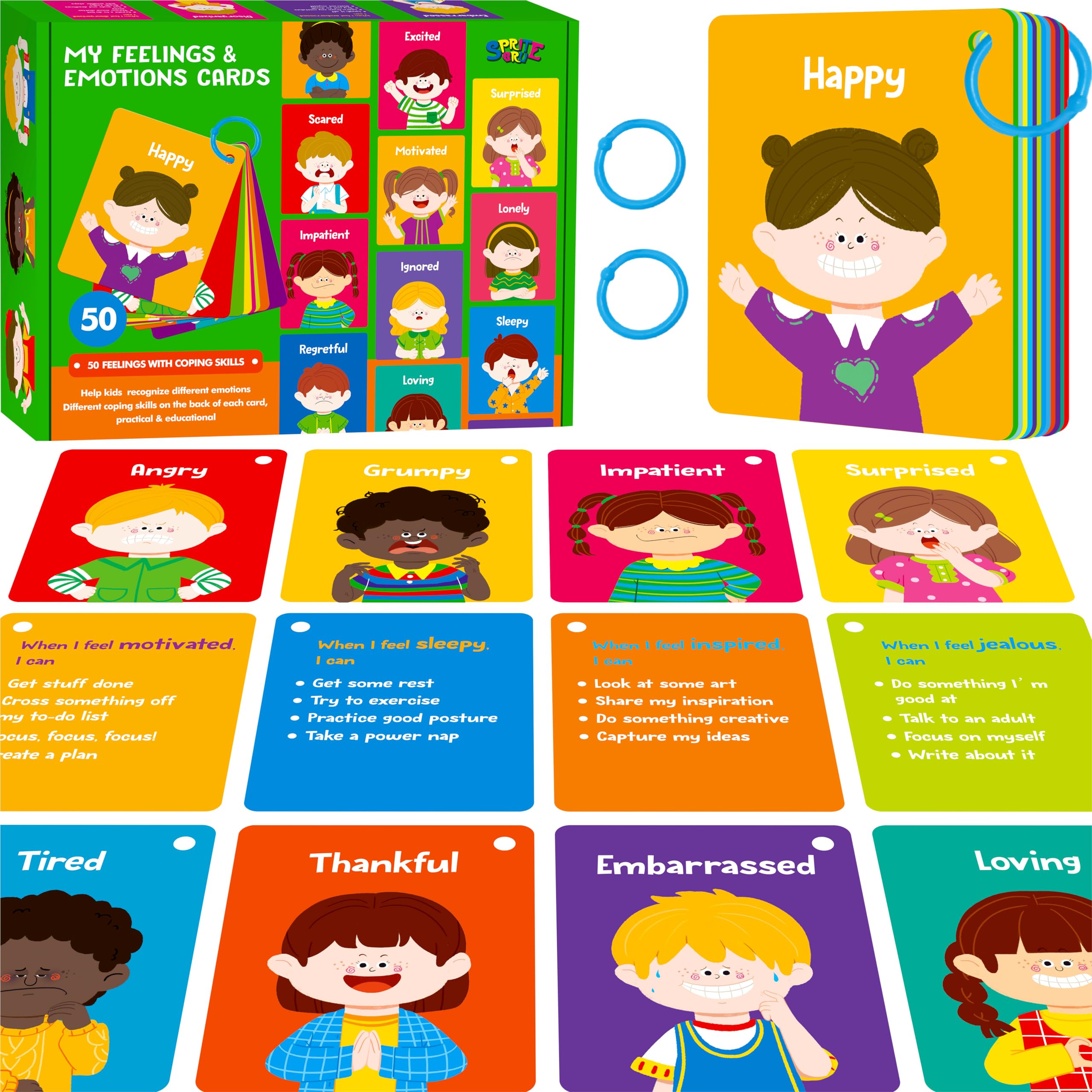
Visual emotion charts, picture cards, or simple drawings of facial expressions can help children who struggle with verbal communication. Many ABA therapy programs incorporate visual supports to reinforce emotional learning.
Children learn from observation. Saying things like, “I feel disappointed, so I’m taking a deep breath,” teaches both vocabulary and coping strategies at the same time.
Children with autism often feel more secure when they know what to expect. Emotional outbursts frequently stem from anxiety about uncertainty.
Predictability builds confidence. In structured ABA therapy sessions, therapists often use consistent routines to reduce anxiety and teach flexibility gradually.
One of the most important lessons for parents is this: coping skills must be practiced during calm moments — not during a meltdown.
Some effective coping strategies include:
Many children benefit from role-playing emotional scenarios. In ABA therapy for emotional regulation, therapists break these skills into small, teachable steps, practicing them repeatedly until they become natural responses.
Emotional behavior always serves a purpose. A tantrum might be a form of communication. A shutdown may be an attempt to escape overwhelming stimuli. Aggression might signal frustration with communication barriers.
Rather than asking, “How do I stop this behavior?” consider asking, “What is my child trying to communicate?”
ABA therapy for autism spectrum disorder focuses on identifying the function of behavior. By understanding why a behavior occurs, therapists can teach healthier alternatives that meet the same need.
For example:
When children are given better tools, emotional outbursts often decrease naturally.
Children need to feel emotionally safe before they can regulate.
Avoid:
Instead, try:
Validation does not mean approval of harmful behavior. It means acknowledging the emotion while guiding appropriate responses. Many families who engage in center-based ABA therapy or in-home ABA therapy receive coaching on how to respond calmly and consistently.
For many children with autism, emotional dysregulation is linked to sensory overload. Bright lights, loud sounds, scratchy clothing, or crowded spaces can quickly trigger distress.
Consider:
An individualized ABA therapy program often includes collaboration with occupational strategies to address sensory triggers and reduce emotional escalation.
Some emotional struggles stem from difficulty interpreting social interactions. A child may feel rejected without understanding why. They may misread facial expressions or sarcasm.
Structured ABA social skills training helps children:
By strengthening social understanding, children often gain emotional confidence.
Children respond best to encouragement. Celebrate progress — even small steps.
Instead of focusing only on emotional outbursts, praise emotional growth:
Positive reinforcement in ABA therapy is a core principle. Desired behaviors are consistently rewarded, increasing the likelihood they will happen again.
Emotional regulation is not learned overnight. It develops gradually through repetition, modeling, and structured teaching.
Some days will feel easier than others. Progress may not be linear. But with consistency and support, meaningful change happens.
Families who participate in early intervention ABA therapy often see significant improvements in emotional regulation over time because skills are taught proactively rather than reactively.
While home strategies are powerful, many families benefit from professional guidance. A customized ABA therapy treatment plan can target:
Therapists use data-driven strategies to measure progress and adjust techniques as needed. This individualized approach ensures that each child receives support tailored to their strengths and challenges.
When searching for ABA therapy services, it’s important to choose a provider that values compassion, collaboration, and family involvement.
Helping a child with autism manage emotions can be emotionally demanding. Parents often experience stress, guilt, or exhaustion.
Remember:
Parent training is a key component of high-quality ABA therapy programs because empowering caregivers leads to long-term success.
Children with autism are capable of deep empathy, joy, and connection. With structured guidance and consistent support, they can learn to identify their feelings, communicate their needs, and navigate emotional challenges more confidently.
If you’re feeling overwhelmed, you don’t have to navigate this journey alone. With compassionate care and evidence-based strategies like Applied Behavior Analysis (ABA therapy), emotional growth becomes achievable, measurable, and sustainable.
Every small step forward matters.
Every new word for a feeling matters.
Every calm response matters.
And with the right support, those small steps become meaningful transformation.
Contact us at 972–310–4991 or visit https://radiantspectrumtherapy.com/ to learn more.