Top 5 ABA Techniques to Improve Communication Skills

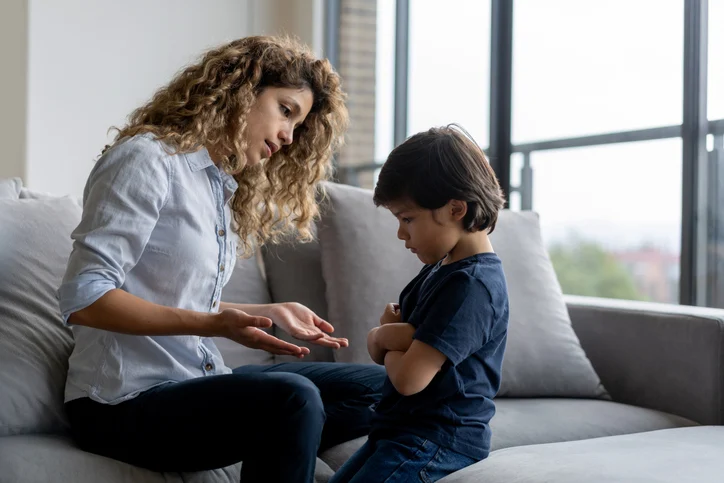
Raising or supporting a non-verbal child comes with unique challenges — but it also comes with incredible opportunities for connection, growth, and breakthrough moments. Communication is more than spoken words. It’s gestures, facial expressions, behavior, body language, and the systems we build to help children express themselves in ways that feel safe and empowering.
At Radiant Spectrum Therapy, we understand that non-verbal children are not without communication — they simply communicate differently. Through structured behavioral strategies for non-verbal children and evidence-based ABA therapy techniques, families can help their children develop functional communication skills, reduce frustration, and increase independence.
If you are a parent, caregiver, or educator searching for behavioral strategies for non-verbal children, this guide will walk you through practical tools and applied behavior analysis (ABA) techniques that truly make a difference.
Before diving into strategies, it’s important to understand one key principle: behavior is communication.
Many non-verbal children, particularly those diagnosed with Autism Spectrum Disorder (ASD), communicate their needs through behavior. Crying, pulling a caregiver’s hand, avoiding eye contact, or even engaging in challenging behaviors may be attempts to express hunger, discomfort, boredom, overstimulation, or a desire for connection.
When we shift from asking “How do we stop this behavior?” to “What is this child trying to tell us?” — everything changes.
This mindset is foundational in ABA therapy for non-verbal children. Instead of suppressing behaviors, we teach functional communication training (FCT) that replaces frustration with clarity.
Applied Behavior Analysis (ABA therapy) is one of the most research-supported approaches for helping children with autism and other developmental delays. For non-verbal children, ABA focuses heavily on:
ABA therapy does not force speech. Instead, it builds communication in any form that works for the child — spoken words, sign language, picture systems, assistive technology, or gestures.
The goal is simple: give the child a reliable way to express wants, needs, feelings, and choices.
Let’s explore the behavioral strategies for non-verbal children that are especially effective for families.
Functional Communication Training (FCT) is one of the most powerful ABA therapy techniques available.
If a child throws toys when they want attention, we teach them a replacement behavior — such as tapping a picture card that says “Play” or using an AAC device to request interaction.
FCT follows a simple pattern:
Over time, the child learns that communication works better than challenging behavior.
This strategy significantly reduces meltdowns and frustration because the child gains control through communication.
The Picture Exchange Communication System (PECS) is widely used in autism therapy for non-verbal children.
With PECS, children hand over a picture of a desired item in exchange for receiving it. For example, a child gives a picture of a snack to request that snack.
PECS for non-verbal children teaches:
What makes PECS powerful is that it builds independence. The child does not have to wait to be prompted — they can initiate communication on their own.
For many non-verbal children with autism, PECS becomes the bridge that eventually supports speech development.
Augmentative and Alternative Communication (AAC) devices range from simple voice-output buttons to advanced speech-generating tablets.
These AAC devices for autism are life-changing for many families.
Benefits of AAC devices for non-verbal children include:
Research consistently shows that AAC therapy for autism often supports and increases verbal attempts.
ABA therapists work closely with families to ensure devices are introduced systematically and reinforced consistently.
Many non-verbal children with autism learn through visual observation rather than verbal instruction.
Modeling and imitation training are core components of applied behavior analysis (ABA).
Imitation is often a foundational skill that supports language growth and overall communication development.
Prompting helps guide a child toward the correct communication response.
Common prompts used in ABA therapy for autism include:
However, prompt fading is critical. The goal of behavior intervention plans is independence — not reliance.
Reinforcement is the engine of applied behavior analysis (ABA therapy).
For non-verbal children, reinforcement must be meaningful and individualized.
When a child successfully uses a communication tool for non-verbal children, reinforcement should be immediate and enthusiastic.
The clearer the connection between communication and reward, the faster the learning happens.
Consistency between therapy and home makes an enormous difference.
Here are practical ways families can support communication development in non-verbal children:
Create natural opportunities for functional communication skills practice throughout the day.
These moments build independence and reduce frustration.
Visual supports for autism reduce anxiety and improve understanding.
Helpful tools include:
Visual systems are powerful tools in ABA therapy for non-verbal children.
Using clear and concise language supports language development in non-verbal children.
Simple communication reduces overwhelm and supports learning.
Every attempt matters.
Whether a child uses PECS, an AAC device, gestures, or eye gaze — each attempt builds functional communication skills.
Many challenging behaviors stem from communication barriers.
Through functional behavior assessments (FBA) and individualized behavior intervention plans, therapists determine the root cause and replace behavior with effective communication.
When a child learns that requesting “break” works better than throwing materials, behavior improves naturally.
Early ABA therapy for non-verbal children with autism can lead to:
The earlier communication tools for non-verbal children are introduced, the more natural they become.
While families can implement many strategies at home, professional ABA therapy services ensure:
Radiant Spectrum Therapy specializes in individualized ABA therapy for autism and supports families navigating communication challenges with compassion and expertise.
Being non-verbal does not mean being without a voice.
When we use the right ABA therapy techniques, implement functional communication training (FCT), introduce PECS for non-verbal children, and incorporate AAC devices for autism, we open doors that once felt closed.
Communication is empowerment. It reduces frustration, strengthens relationships, and builds independence.
For families searching for effective behavioral strategies for non-verbal children, know this: progress is possible. With structured applied behavior analysis (ABA), consistent reinforcement, and compassionate support, children can develop meaningful communication skills that transform daily life.
Every voice matters — even when it doesn’t sound like spoken words.
Contact us at 972–310–4991 or visit https://radiantspectrumtherapy.com/ to learn more.