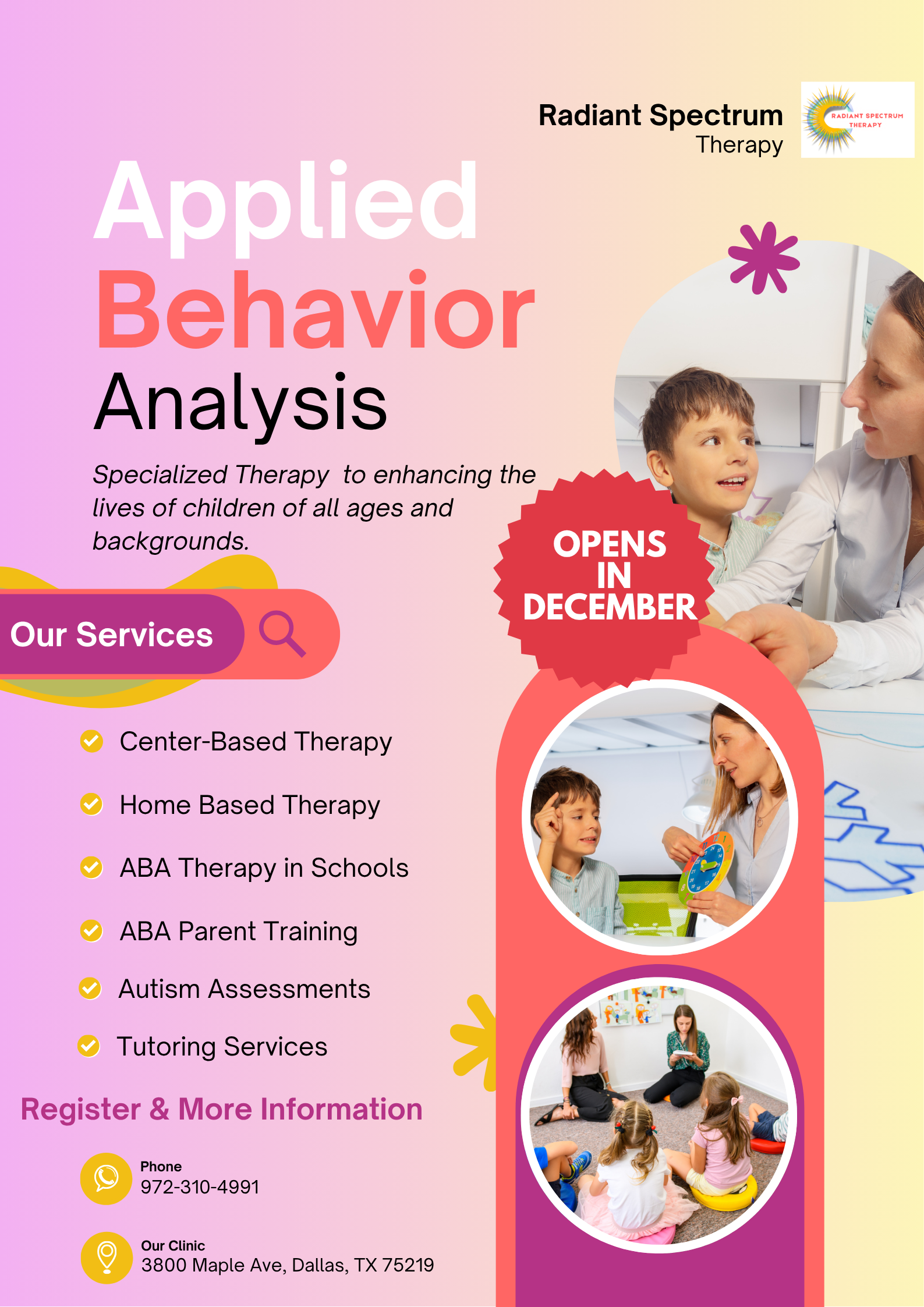

Starting therapy early ensures that children receive the support they need when their brains are most receptive, leading to better outcomes and a smoother path toward school readiness and social integration.
Early intervention for children with autism leverages the brain’s high plasticity during the ages of 2 to 5. By starting ABA therapy at home, children learn in a familiar environment, which accelerates the acquisition of vital life skills and sets a foundation for long-term independence.
This guide explores:
#1 – Neural plasticity and rapid brain growth
#2 – Critical developmental window for toddlers
#3 – Consistent routines in a natural setting
The Science of Early Learning
Why the 2-5 age range is a critical window:
The brain is highly plastic and forms new connections rapidly
Early learning builds vital social and cognitive skills
Intervention during these years yields the highest ROI
Children can learn to generalize skills across environments
Early support reduces the need for intensive services later
Developmental Milestones & ABA:
Early-Stage Focus: Focus on foundational skills like communication
Long-Term Goal: Achieve independence and successful integration into school
Why the home environment is ideal for early ABA:
Key Features:
Familiar settings reduce child anxiety
Parents are actively involved in the therapy process for better results
Skills are learned where they are used daily
Natural Environment Teaching (NET) – Comparison Table:
| Therapy Type | Key Benefit | Considerations |
|---|---|---|
| Home-Based ABA | Familiar environment, family integration | Potential distractions, less peer interaction |
| Center-Based ABA | Structured setting, peer interaction | Travel required, less naturalistic environment |
Environment Focus:
Home-Based: Real-world skills in natural settings
Center-Based: Dedicated learning space, fewer distractions
Socialization:
Home-Based: Limited peer exposure, family focus
Center-Based: Opportunities for group learning, social skills
Parent Involvement:
Home-Based: Direct, integrated into daily routines
Center-Based: Structured parent training, observation
Target Core Skills:
ABA focuses on essential skills:
Communication
Social interaction
Self-care
Play skills
Track progress with:
Skill acquisition rates
Frequency of behaviors
Mastery of goals
Generalization
The ABA Learning Cycle:
How skills are mastered at home:
Test skills: communication, social, self-care
Target behaviors: positive reinforcement, shaping
Master goals: daily routines, play, safety
Consistent practice every day leads to faster mastery and better retention of new skills.
Common Misconceptions:
#1 – Only for ‘bad’ behavior
#2 – Believing it’s too early to start
#3 – Assuming results happen overnight
Roadmap to Independence:
#1 – Consult with a specialist early
#2 – Create a supportive home environment for learning
#3 – Establish consistent daily routines
#4 – Track small wins daily
#5 – Focus on one skill at a time
#6 – Encourage independence in daily tasks
Early ABA therapy at home is a transformative journey that empowers children to reach their full potential. By focusing on the critical 2-5 age range, families can foster brain development and independence, ensuring a brighter future for their children.