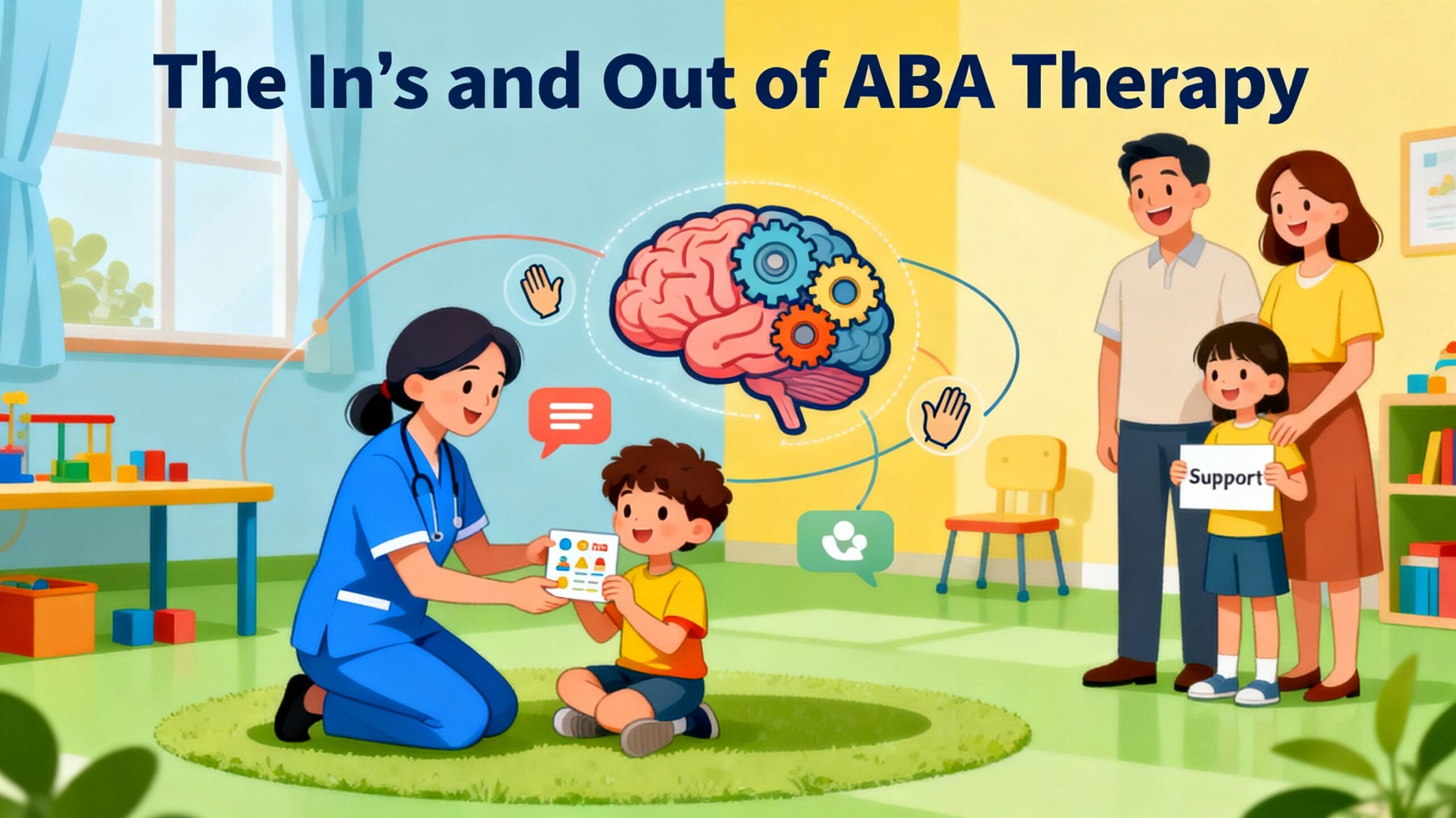
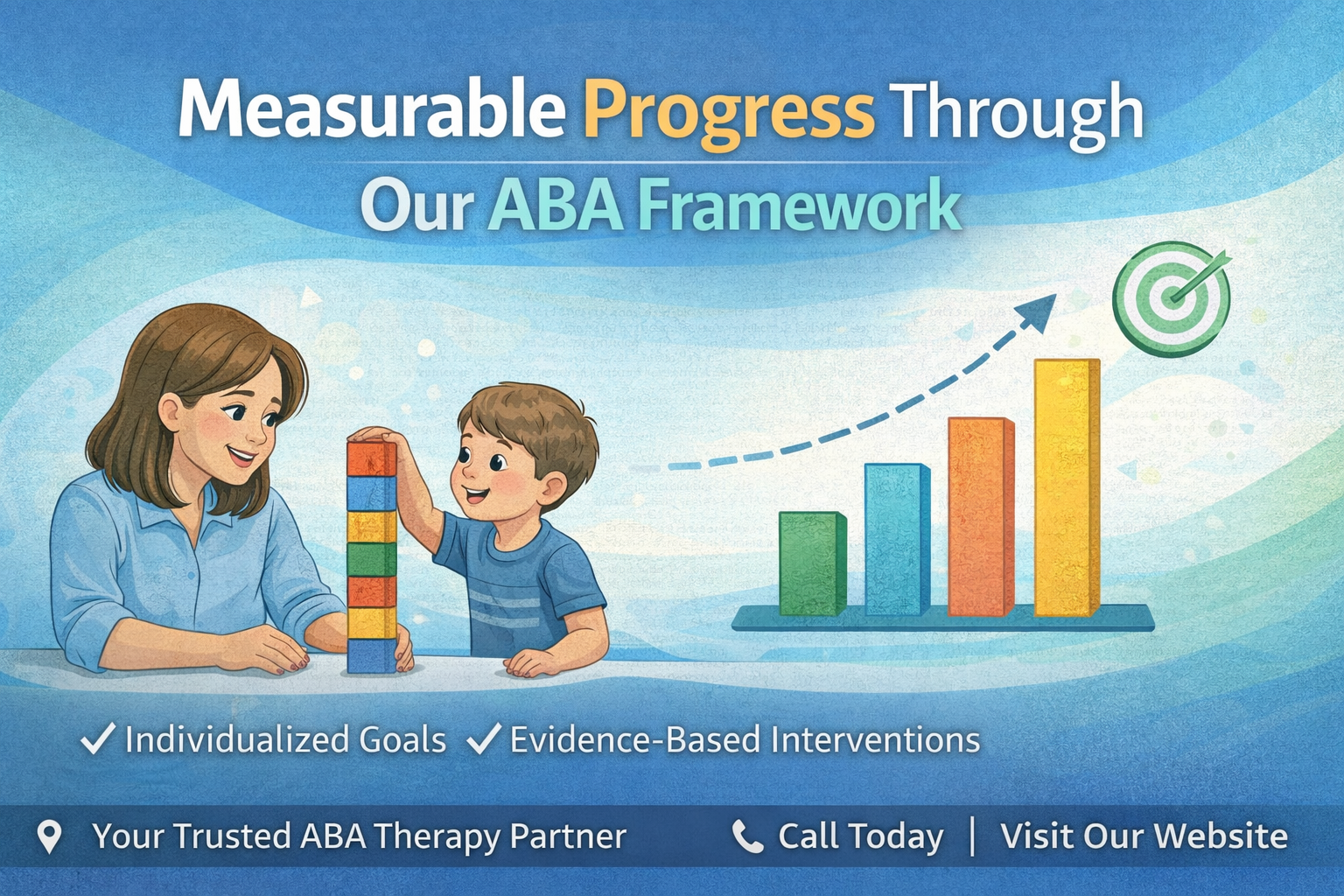
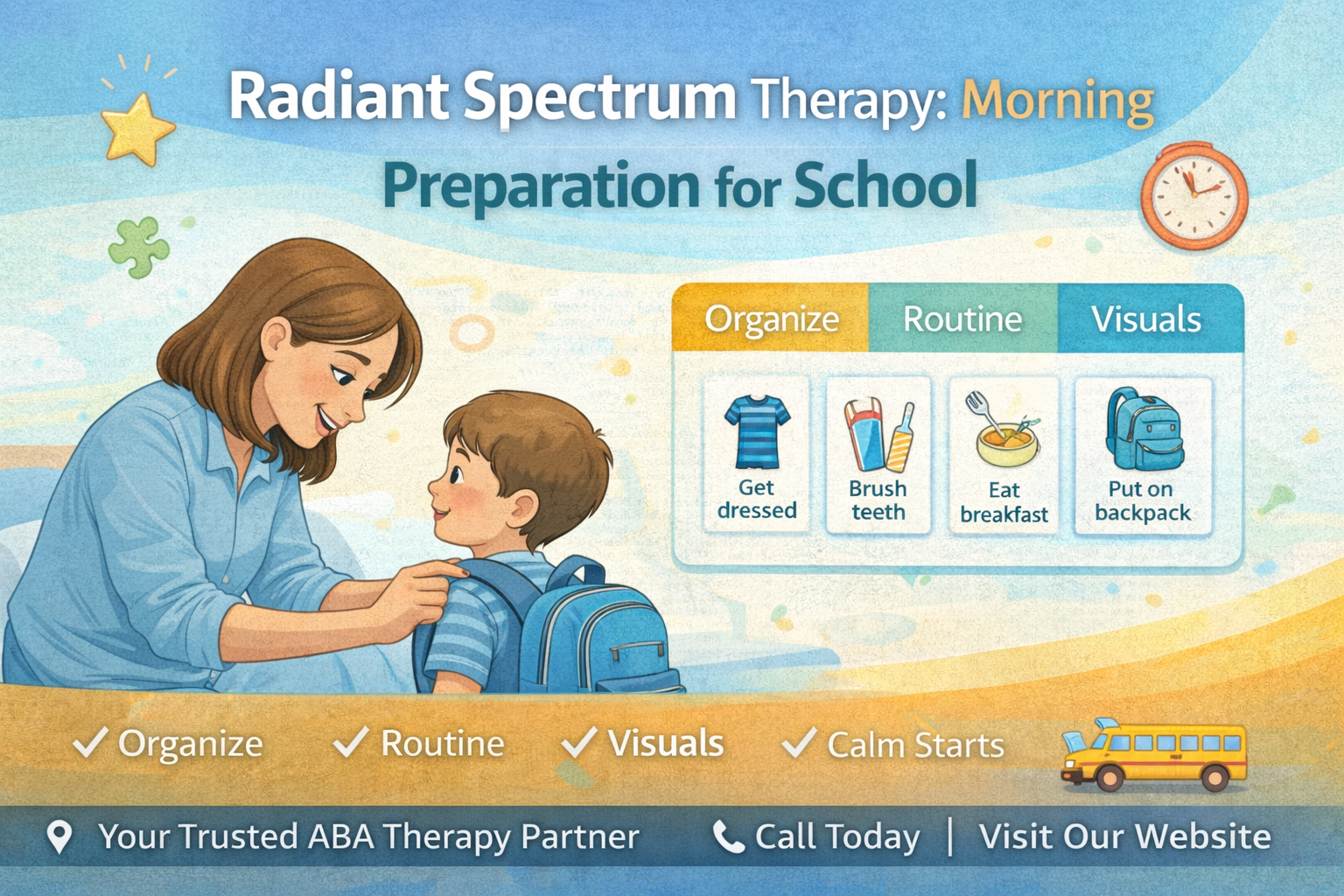
Discover the core principles and benefits of ABA Therapy for autism, including communication, social skills, and family involvement. Learn how ABA empowers individuals and families to thrive.
A simple guide to help children follow morning and evening checklists for better structure and independence. Perfect for parents seeking consistency and calm.
Practical strategies for busy parents to reduce stress and maintain calm family routines. Learn how routines foster harmony and resilience.
Essential insights on using the CARS-2 assessment for early autism identification and intervention. Discover its role in clinical practice.
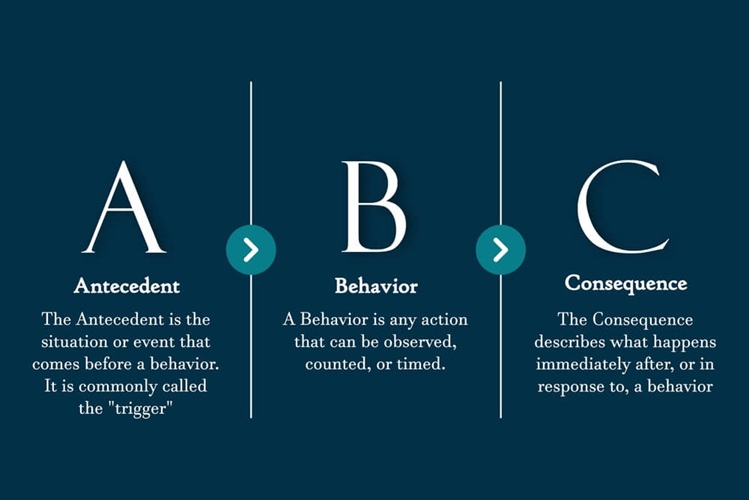
Evidence-based strategies to understand and manage challenging behaviors through Applied Behavior Analysis. Empower individuals with new skills.
Simple steps for RBTs to prepare mentally and emotionally for successful therapy sessions. Promote resilience and professional success.
This article explains how Radiant Spectrum Therapy uses personalized ABA programs to help children with autism build communication, social, and daily living skills in a structured, supportive way. It also guides parents on their role in therapy, outlining how collaboration with therapists and consistency at home can significantly improve a child’s progress.
This article explains the essential steps of ABA therapy, from initial assessment to developing personalized plans and promoting independence. Each step ensures targeted skill development and continuous progress tracking for optimal results.
This guide discusses important aspects often overlooked in ABA therapy, like emotional support, holistic development, and family collaboration for better outcomes.
Radiant Spectrum's 2026 Family Guide provides evidence-based ABA therapy advice for families. Learn best practices for positive reinforcement, consistency, and collaboration to support your child's development.
This comprehensive guide explores how Applied Behavior Analysis (ABA) extends beyond traditional clinical environments into everyday life. It showcases practical strategies for integrating ABA techniques into homes, schools, and workplaces to support individuals across different age groups. The document highlights nine core application areas including Natural Environment Training, skill acquisition, emotional regulation, and parent involvement. Key topics covered include using real-world contexts for learning, addressing specific challenges like food selectivity, developing independence and workplace skills for adults, and empowering parents and caregivers to reinforce progress in daily routines. The resource emphasizes that true success comes from generalizing therapy skills to real environments, ultimately helping individuals achieve greater independence and quality of life.
This document explores how Applied Behavior Analysis (ABA) therapy often focuses on young children, sometimes overlooking the unique needs of adolescents. It highlights the importance of specialized support for teens and outlines developmental stages, support areas, and service distribution challenges.
This guide provides best practices and common pitfalls for using Radiant Spectrum Therapy with adolescents. It emphasizes consistency, a calm environment, and open communication as key 'do's,' while warning against overuse and improper timing as major 'don'ts' to ensure effective and safe therapy outcomes.
This guide explores essential self-advocacy skills for individuals on the autism spectrum, covering stages of development, core competencies, and practical strategies for building confidence and independence in education, work, and daily life.
This guide from Radiant Spectrum Therapy (December 2025) outlines potty training strategies for autistic children, covering readiness signs, sensory needs, communication aids, step-by-step processes, and troubleshooting tips with visual schedules and rewards.
In ABA therapy, prompts are gentle cues used to help children learn new skills. This guide introduces the six main types of prompts, helping parents understand how to use them to foster independence and success.
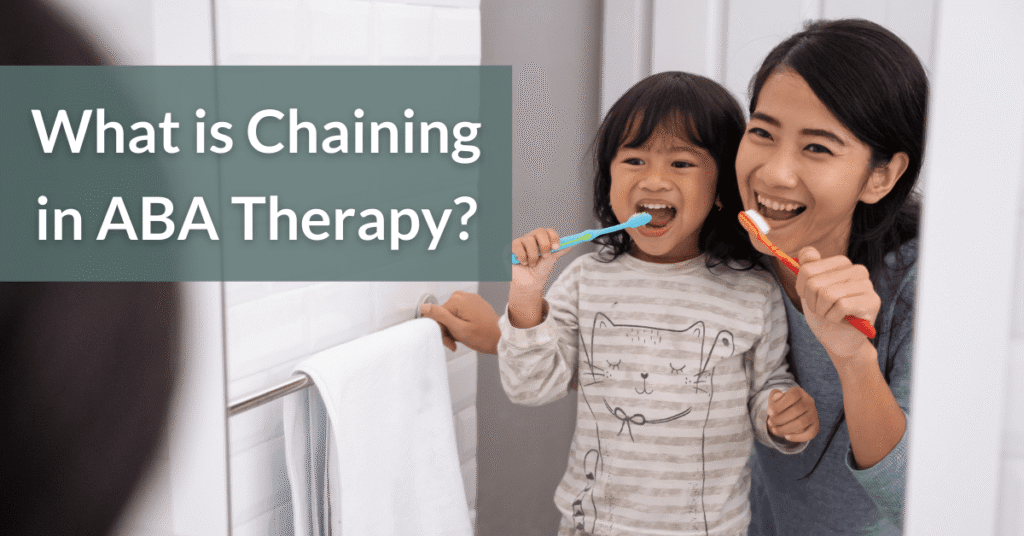
This document explains how Radiant Spectrum Therapy uses backward chaining, a step-by-step teaching method that starts from the last step of a task to help individuals with developmental differences learn complex skills with confidence and less frustration.
Learn how RBTs prepare clients for successful ABA therapy at Radiant Spectrum, including pre-session checklists and readiness strategies.