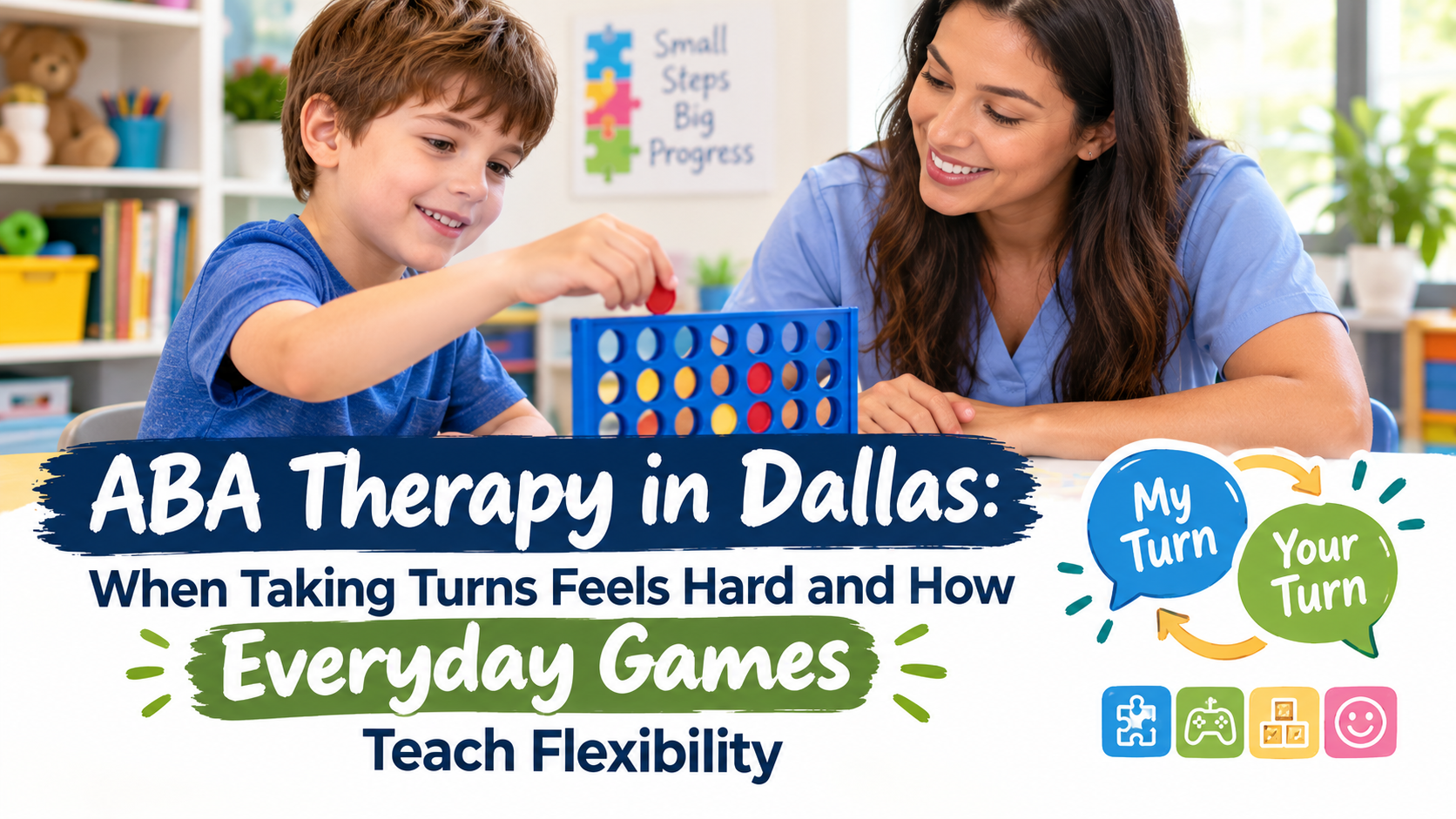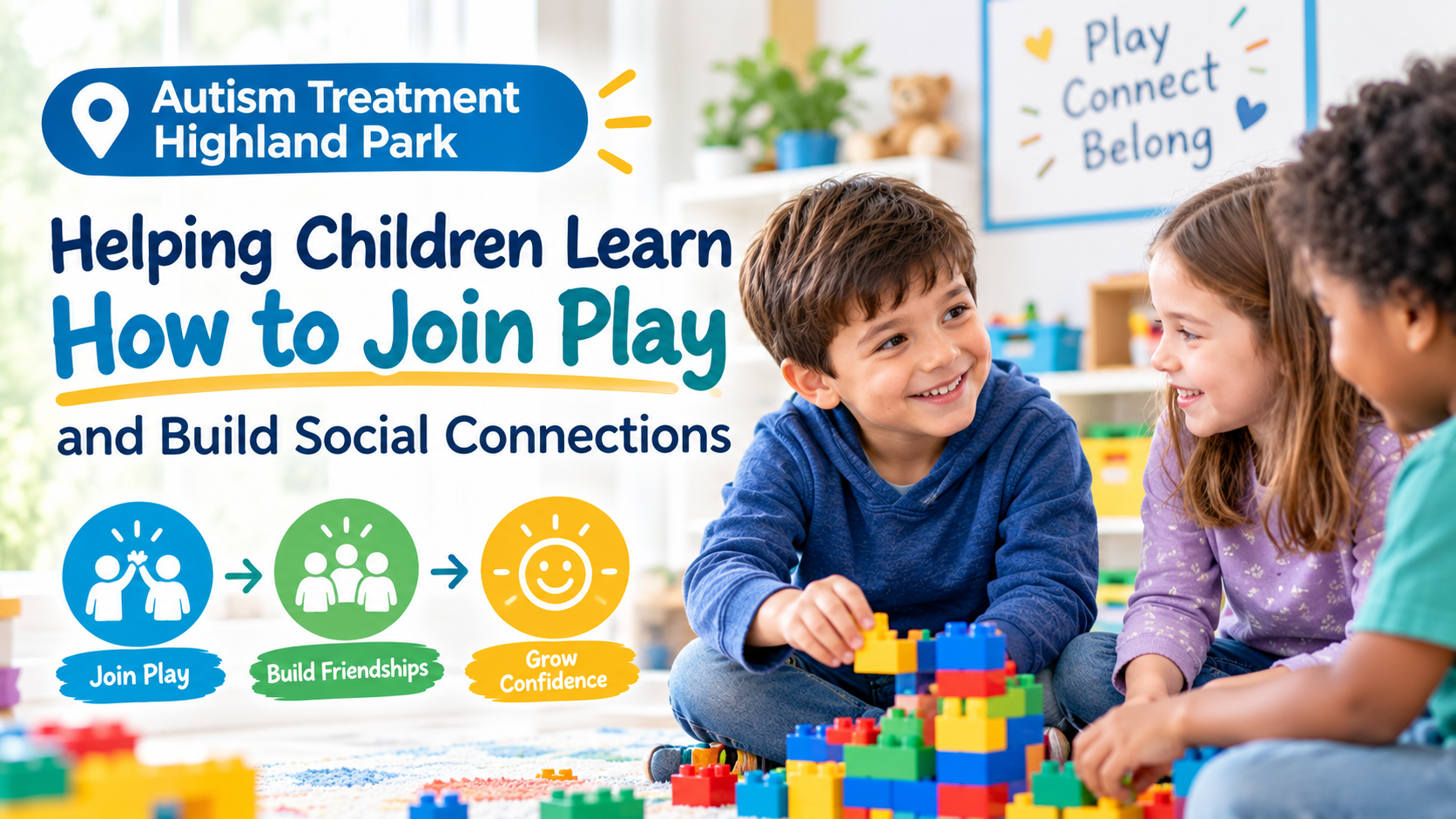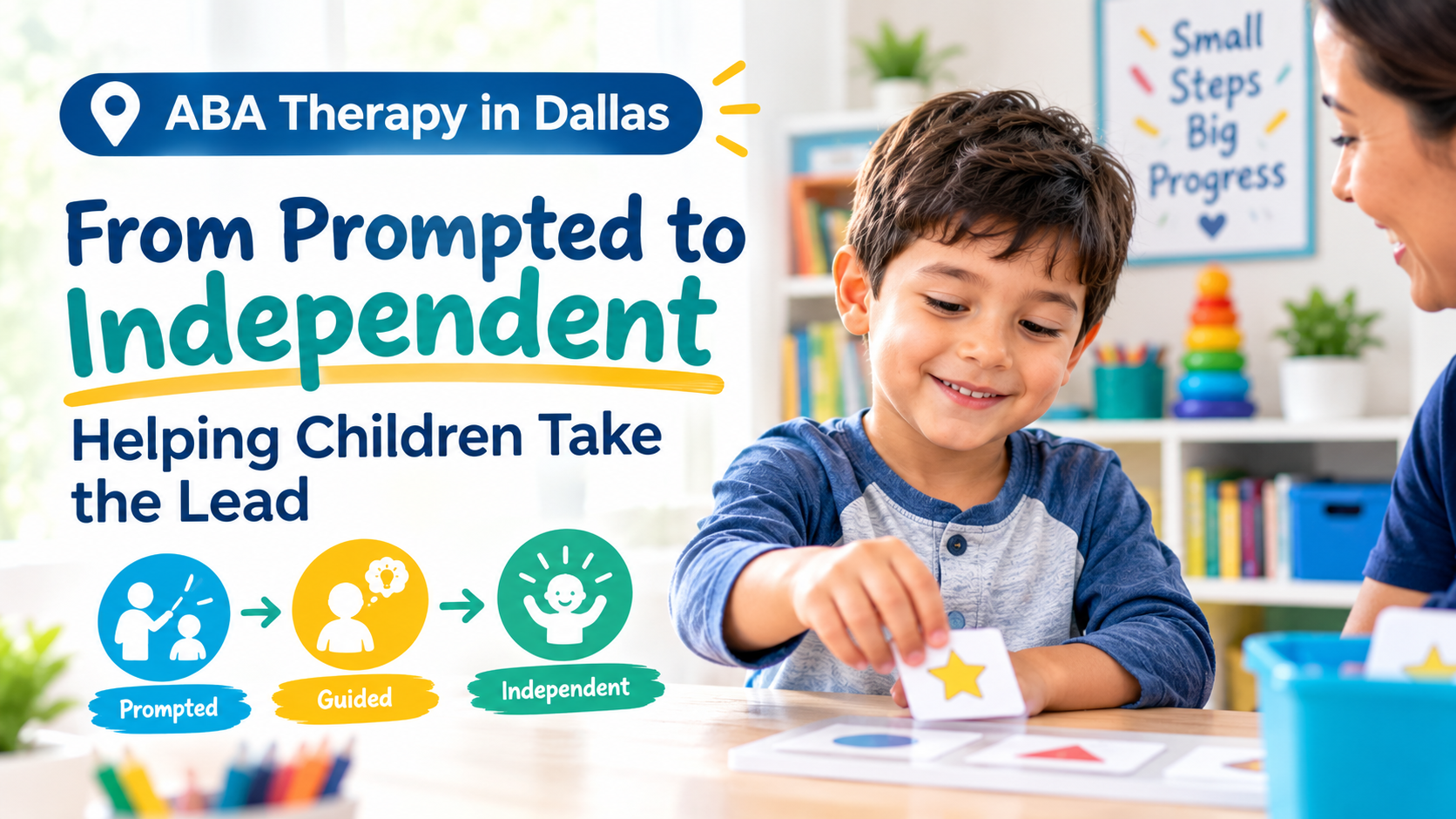


Parents quickly learn that progress during therapy sessions is influenced by more than the activities themselves. The environment where learning happens plays a significant role in helping children stay engaged, comfortable, and ready to participate. Whether your family receives Home-Based ABA Therapy or is practicing skills learned during Center-Based ABA sessions, creating a consistent and organized space at home can make daily routines smoother and more productive.
Many families assume they need an expensive playroom or a dedicated therapy room to support learning. The reality is much simpler. A quiet corner of the living room, a section of the dining area, or a spare bedroom can become an effective learning environment with a few thoughtful adjustments.
For families looking for Autism Treatment Highland Park, having a structured home environment complements professional services while helping children build confidence and independence.
Why the Home Environment Matters
Children thrive when expectations are clear and distractions are minimized. A predictable environment allows them to focus on learning new skills instead of processing unnecessary sights, sounds, or interruptions.
When therapists and parents work together, consistency becomes one of the strongest tools for success. Skills practiced during therapy sessions are more likely to carry over into everyday life when the home environment supports those same expectations.
Whether your child participates in ABA therapy Highland Park, TX or receives in-home ABA therapy Dallas, a well-organized space helps create smoother transitions between activities and encourages positive learning experiences.
Your Home Therapy Setup Checklist
Use this checklist as a guide when preparing your therapy space.
✓ Choose a Quiet Location
The best therapy space is away from:
- Television noise
- Loud conversations
- Household traffic
- Video games
- Pets during sessions
- Siblings playing nearby
The goal is not complete silence but reducing unnecessary distractions that compete for your child’s attention.
✓ Keep the Area Organized
Children often focus better when materials have a designated place.
Consider storing:
- Learning cards
- Toys
- Reinforcers
- Writing supplies
- Sensory tools
- Books
Clear containers and labeled bins make cleanup easier while teaching organizational skills.
✓ Use Comfortable Seating
The right seating encourages participation without creating discomfort.
Depending on your child’s needs, this may include:
- A child-sized chair
- A small table
- Floor cushions
- Flexible seating options
Comfort supports longer periods of engagement without becoming distracting.
✓ Reduce Visual Clutter
An area filled with colorful decorations, piles of toys, and multiple screens can overwhelm attention.
Instead:
- Store unused toys away
- Keep only current materials visible
- Use neutral backgrounds
- Minimize unnecessary decorations
Simple environments often help children focus on the activity rather than everything happening around them.
Limit Technology During Therapy
Phones, tablets, and televisions naturally attract attention.
Unless technology is being intentionally used as part of a lesson:
- Turn televisions off
- Silence phones
- Close unnecessary computer programs
- Remove electronic toys
Reducing competing stimulation allows children to stay engaged with the therapist and the learning activity.
Have Reinforcers Ready
Motivation is an important part of learning.
Before therapy begins, gather preferred items such as:
- Favorite toys
- Stickers
- Small puzzles
- Coloring supplies
- Bubbles
- Sensory objects
Keeping these items nearby allows therapists and parents to reinforce positive participation without interrupting the flow of the session.
This is especially helpful during Home-Based ABA Therapy, where familiar household items can become effective learning tools.
Create a Sensory-Friendly Corner
Every child benefits from opportunities to regulate and recharge.
A sensory space does not need to be elaborate.
- Bean bags
- Soft pillows
- Weighted lap pads
- Noise-reducing headphones
- Fidget toys
- Books
The purpose is to provide a calm place where children can reset before returning to activities.
Many professionals providing behavioral therapy Park Cities encourage families to have a designated calming area available throughout the day, not just during therapy sessions.
Keep Supplies Within Reach
Searching for materials wastes valuable learning time.
Consider creating a portable therapy basket that includes:
- Dry erase markers
- Paper
- Flashcards
- Visual schedules
- Token boards
- Small rewards
- Sensory tools
Everything stays organized and ready whenever practice opportunities arise.
Encourage Independence
An effective therapy space should support growing independence rather than constant adult assistance.
Simple ideas include:
- Picture labels on bins
- Step-by-step visual instructions
- Child-accessible shelves
- Easy cleanup systems
These small adjustments encourage responsibility while building everyday living skills.
Families receiving parent training for autism often find that independence at home leads to greater confidence in school and community settings.
Include Natural Learning Opportunities
Therapy does not only happen at the table.
Your home naturally provides opportunities for practicing skills during:
Kitchen Time
Practice:
- Following directions
- Sorting
- Counting
- Requesting items
Laundry
Practice:
- Matching
- Folding
- Sequencing
- Categorizing
Living Room Play
Practice:
- Turn taking
- Sharing
- Communication
- Social interaction
These everyday moments reinforce concepts introduced through Center-Based ABA while making learning meaningful and practical.
Involve the Entire Family
Consistency is easier when everyone understands the expectations.
Parents, siblings, and caregivers can help by:
- Following established routines
- Using similar language
- Celebrating progress
- Supporting transitions
- Respecting therapy time
A team approach helps children generalize skills across different people and environments.
Families participating in ABA Parent Training often report that everyone feels more confident when expectations remain consistent throughout the home.
Keep the Space Flexible
Children grow and their needs change over time.
Review your therapy setup every few months and ask:
- Is this space still working?
- Are distractions increasing?
- Does my child need more independence?
- Are materials easy to access?
- Is the environment calm and welcoming?
Small adjustments can keep the space effective as skills continue developing.
Home and Professional Support Work Together
A distraction-free home environment does not replace professional services, but it strengthens the learning process by creating consistency across settings.
Families exploring Autism Treatment Highland Park often discover that practicing skills in both structured clinical settings and everyday home environments provides valuable opportunities for growth. Whether a child participates in center-based autism services, receives in-home ABA therapy Dallas, or benefits from a combination of approaches, a thoughtfully prepared space encourages participation and confidence.
Parents searching for ABA providers 75205 frequently ask what they can do between sessions to support progress. The answer is often simple: maintain routines, reduce distractions, stay organized, and create positive opportunities for practice every day.
A calm and welcoming therapy area becomes more than just a place for learning — it becomes a space where children can build communication, independence, problem-solving skills, and confidence that extends far beyond the walls of the home. For families connected with pediatric behavioral health Highland Park and a local ABA clinic Texas, these small environmental changes can become meaningful building blocks for long-term success.
Contact us at 972–310–4991 or visit https://radiantspectrumtherapy.com/ to learn more.