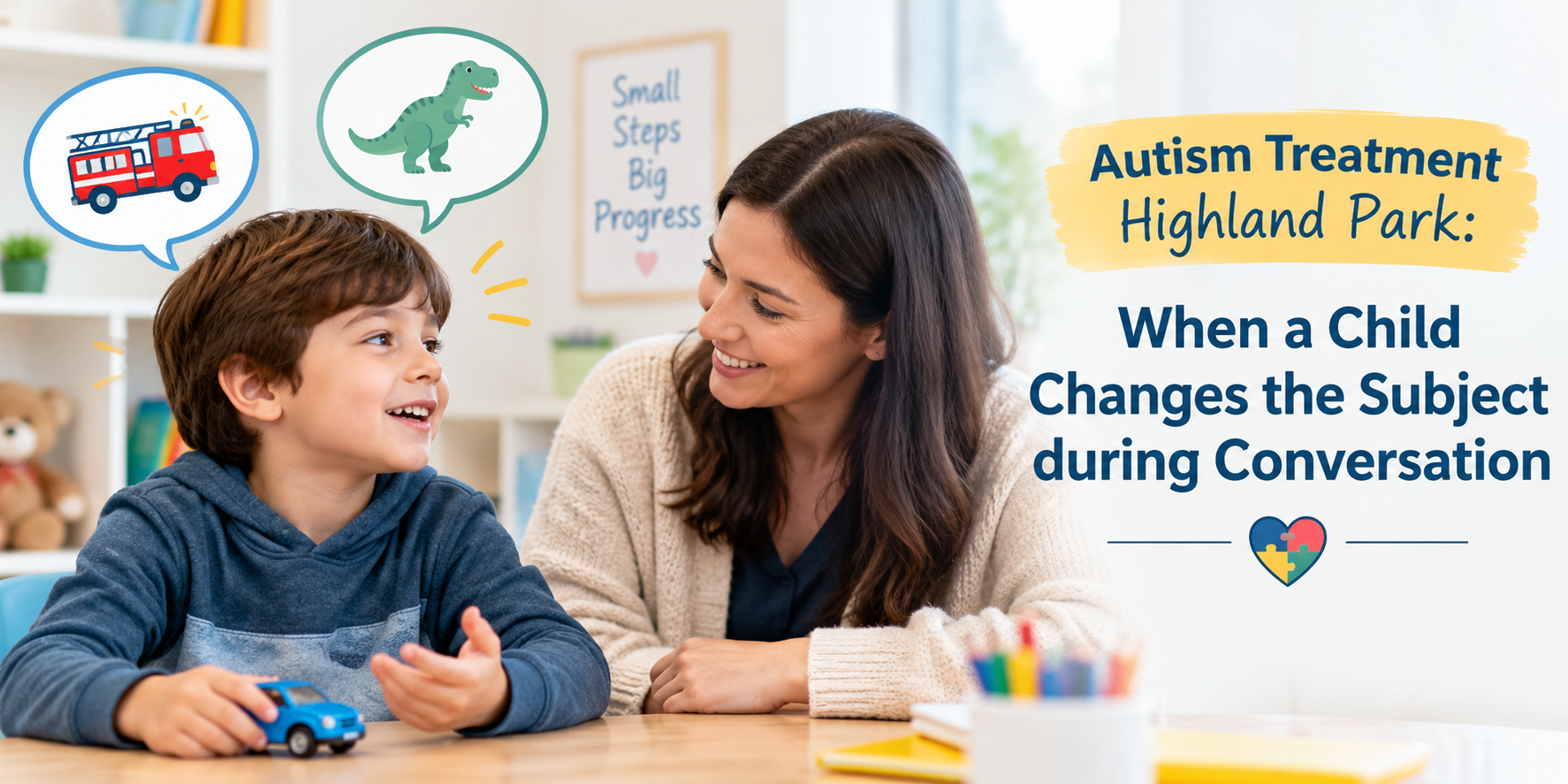
Autism Treatment Highland Park: When a Child Changes the Subject During Conversation
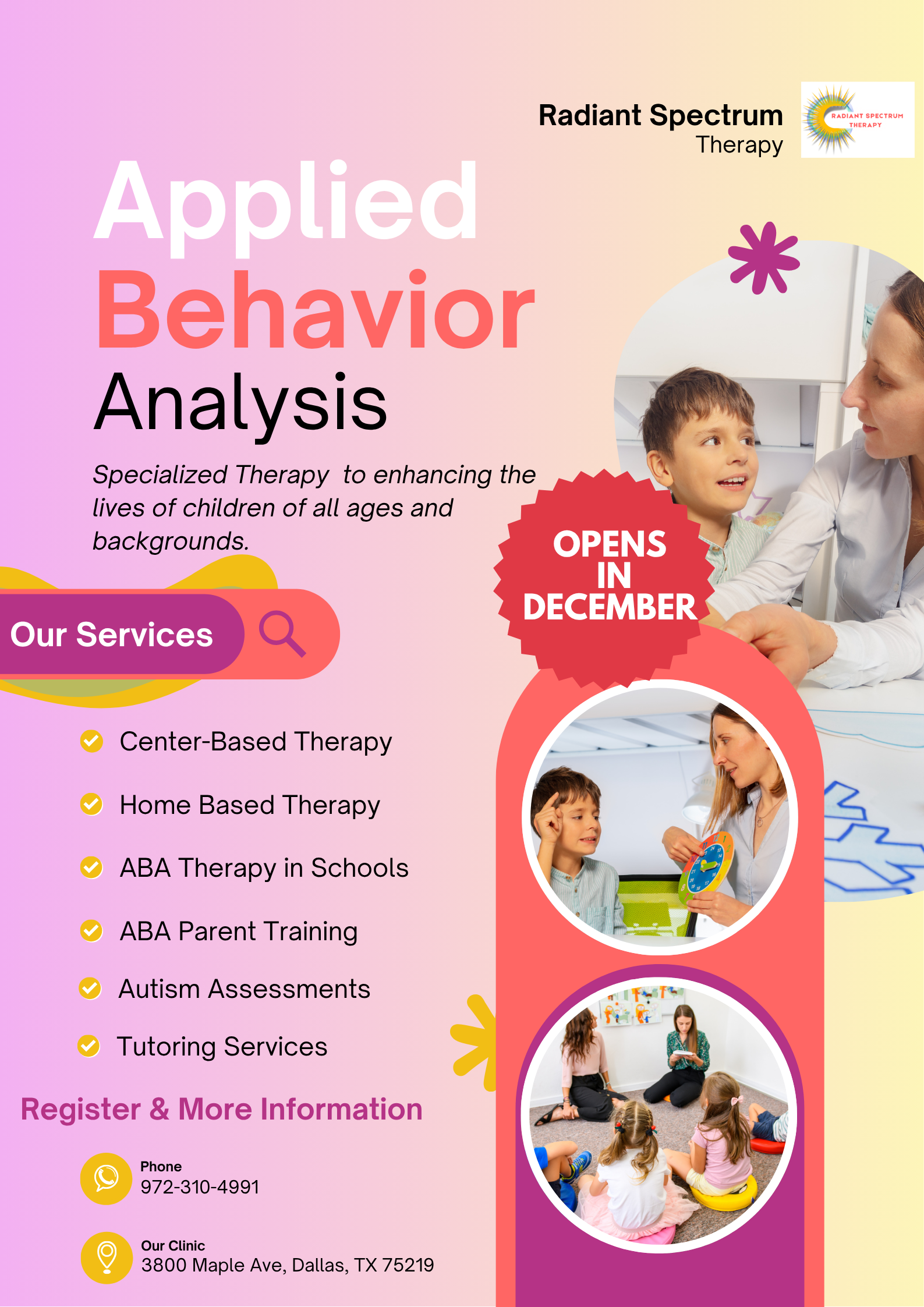

Applied Behavior Analysis (ABA) therapy is one of the most widely recognized and effective treatments for individuals on the autism spectrum. Despite decades of research supporting its benefits, there are still several misconceptions that make parents, caregivers, and even educators hesitant to embrace it. At Radiant Spectrum Therapy, we’ve seen firsthand how these myths can prevent families from accessing the support their loved ones need. In this article, we’ll debunk the most common misconceptions about ABA therapy, clarify its approach, and highlight its effectiveness.
One of the most pervasive myths about ABA therapy is that it is only suitable for young children. While early intervention is critical and often the most beneficial time to start therapy, ABA is not limited to a specific age group. Adolescents and adults on the autism spectrum can benefit immensely from ABA therapy as well. The techniques used in Applied Behavior Analysis (ABA) therapy are adaptable and can address a range of goals, from social skills and communication to independent living skills and workplace success.
ABA programs are individualized, meaning that a therapist designs sessions based on the unique needs and abilities of each client, regardless of their age. This flexibility makes ABA therapy for adults, autism therapy for all ages, and individualized ABA programs valuable tools for life-long learning and skill development.
Some critics believe ABA therapy focuses solely on compliance, training individuals to follow instructions without fostering genuine understanding or independence. This misconception often stems from outdated methods used in the early days of ABA, which did place a heavy emphasis on repetitive drills. Modern ABA therapy, however, prioritizes positive reinforcement therapy, skill-building autism therapy, and the individual’s autonomy.
Today’s ABA therapy focuses on teaching functional skills that empower clients. Therapists work to enhance communication, social interaction, emotional regulation, and problem-solving abilities. Rather than forcing compliance, ABA helps individuals learn how to navigate the world more effectively and confidently.
Another common myth is that ABA therapy ignores the personal preferences, feelings, or individuality of the client. In reality, ABA is highly personalized. Every program is tailored to match the client’s strengths, interests, and needs. This individualized approach ensures therapy is engaging, meaningful, and effective.
For example, if a child enjoys music or art, therapists might incorporate those interests into the sessions to reinforce learning. The goal is not to create uniform behavior but to support the individual in reaching their personal milestones and achieving greater independence. Personalized ABA therapy, autism therapy tailored to needs, and engaging ABA therapy are central to modern ABA therapy approaches.
Some people worry that ABA therapy is harsh, punitive, or traumatic. This belief is rooted in misconceptions about early behaviorist techniques that sometimes used negative reinforcement or aversive methods. Modern Applied Behavior Analysis (ABA) therapy is compassionate, evidence-based, and focused on positive ABA therapy. Clients are rewarded for progress, and sessions are structured to be encouraging and motivating.
At Radiant Spectrum Therapy, we ensure that every session is conducted in a supportive environment, promoting learning without stress or fear. Therapy is designed to be both effective and nurturing, building trust between the therapist and client. Compassionate ABA therapy and evidence-based autism therapy are priorities in every program.
Another misconception is that ABA therapy offers a “one-size-fits-all” solution. The truth is that no two clients are the same, and ABA therapy is highly adaptable. Each individual’s program is based on thorough assessments, ongoing observations, and measurable goals. This customized approach ensures that therapy meets the client where they are, addressing their unique challenges and leveraging their strengths.
Success in ABA therapy varies, but studies consistently show that when programs are tailored and implemented with fidelity, significant improvements can occur in communication, social skills, and adaptive behaviors. Customized ABA therapy, tailored autism therapy programs, and effective ABA therapy outcomes reflect this flexibility.
While ABA therapy is most commonly associated with autism spectrum disorder (ASD), it is actually used in a variety of settings and for different diagnoses. ABA principles are applied in educational, clinical, and behavioral interventions for individuals with developmental delays, ADHD, and other behavioral challenges. Its focus on understanding behavior and teaching new skills makes it versatile and widely applicable. ABA therapy for developmental delays, behavioral therapy for ADHD, and versatile ABA therapy demonstrate its broad utility.
Some skeptics question whether ABA therapy actually works. The truth is that ABA is one of the most researched behavioral therapies available. Decades of scientific studies have consistently demonstrated that ABA therapy leads to meaningful improvements in communication, social skills, academic performance, and independence. The key is consistency and individualized planning, which ensures measurable and sustainable results. Effective ABA therapy, evidence-based autism therapy, and proven ABA techniques all highlight its long-standing success.
Applied Behavior Analysis (ABA) therapy has evolved significantly over the years. Modern approaches are compassionate, individualized, and evidence-based, debunking myths that paint it as rigid or impersonal. At Radiant Spectrum Therapy, we are dedicated to providing ABA therapy that respects each client’s individuality while empowering them with the skills they need to thrive.
If you’ve been hesitant about ABA therapy due to misconceptions, we encourage you to explore its benefits further. With the right approach, ABA can open doors to communication, independence, and confidence for individuals on the autism spectrum — regardless of age or ability.
Reach out to Radiant Spectrum Therapy today to learn how personalized ABA therapy can help your loved one reach their full potential.
Contact us at 972–310–4991 or visit https://radiantspectrumtherapy.com/ to learn more.