
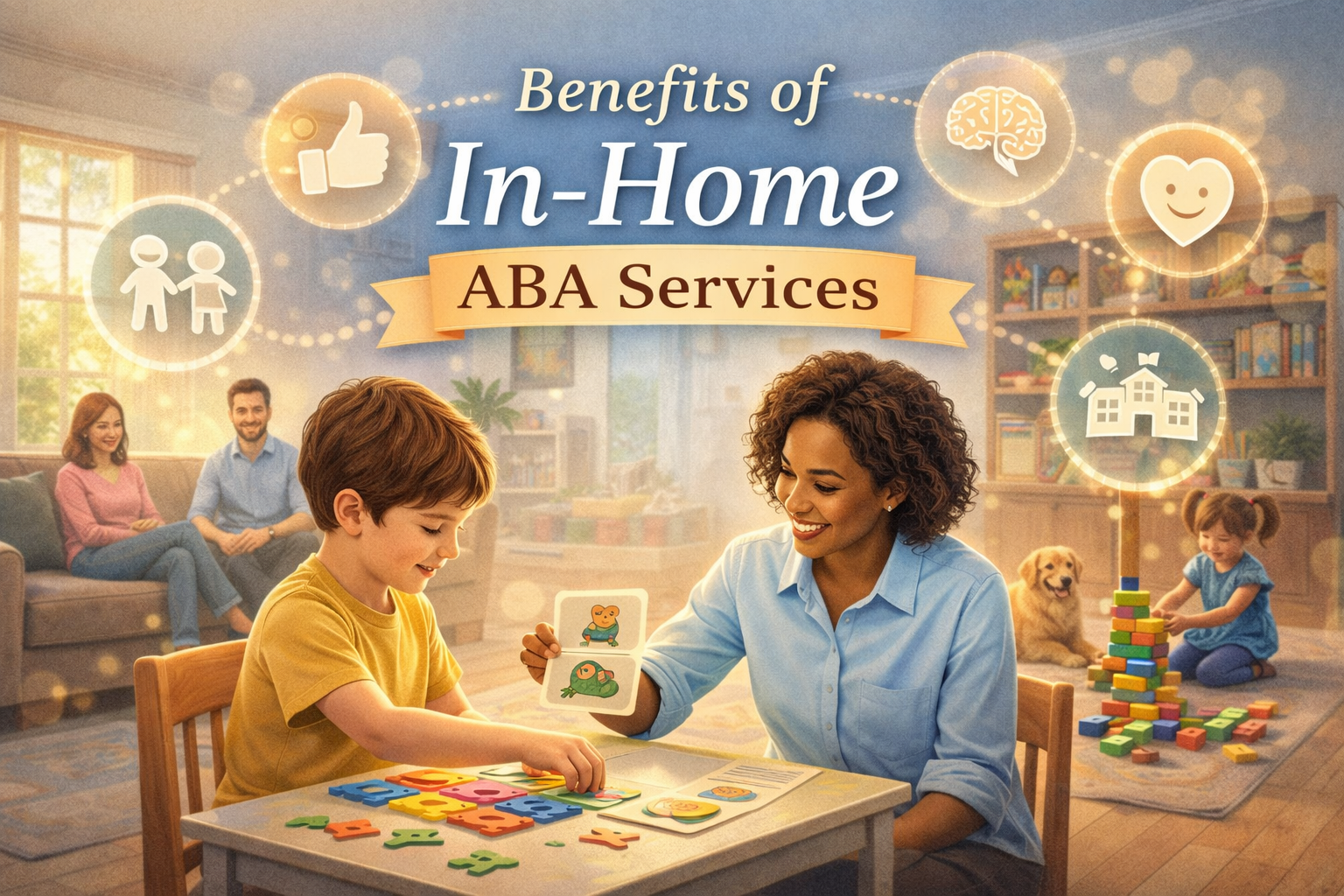
Benefits of In-Home ABA Services

ABA Clinic
Benefits of In-Home ABA Services

For families raising a child with autism, finding the right support can make a tremendous difference in everyday life. One therapy approach that has helped thousands of children develop meaningful skills is Applied Behavior Analysis (ABA). While ABA therapy can take place in clinics, schools, or therapy centers, many families are discovering that in-home ABA services provide unique advantages that help children thrive in their natural environment.

At Radiant Spectrum Therapy, the goal is to provide compassionate, effective therapy that fits seamlessly into family life. In-home therapy brings professional support directly into the child’s daily routine, creating opportunities for learning that feel natural and comfortable.

In this article, we’ll explore the benefits of in-home ABA services, how they work, and why many families prefer this personalized approach to autism therapy.

What Is In-Home ABA Therapy?

In-home ABA therapy is a form of Applied Behavior Analysis therapy delivered in the child’s home environment. A trained therapist or behavior technician works directly with the child using individualized treatment plans designed by a Board Certified Behavior Analyst (BCBA).

The therapy focuses on improving important life skills such as:

Because sessions occur in the home, therapists can observe real-life routines and help children practice skills where they are actually needed.

A Comfortable Learning Environment

One of the biggest benefits of in-home ABA therapy is the familiar setting. Many children with autism thrive when learning takes place in environments they already know.

Therapy clinics can sometimes feel overwhelming due to new sounds, unfamiliar people, and sensory stimuli. At home, children often feel safer and more relaxed, which can make learning easier.

In a home environment, therapists can incorporate learning into everyday routines. Simple activities such as getting dressed, cleaning up toys, or preparing snacks become valuable opportunities for teaching independence and communication.

Because the environment is predictable and comfortable, children may:

  • Feel less anxious during therapy
  • Participate more willingly
  • Retain skills more effectively
  • Show faster progress in daily routines

This natural setting allows therapists to focus on practical, real-world skills.

Personalized Therapy Tailored to the Child

Every child with autism has unique strengths, challenges, and learning styles. In-home ABA services allow therapists to create highly personalized treatment plans that reflect the child’s individual needs.

Instead of using generalized therapy exercises, therapists can work with items and situations the child encounters every day.

For example:

  • Practicing requesting favorite toys
  • Learning how to follow household routines
  • Improving communication during family interactions
  • Developing self-care skills like brushing teeth or putting away clothes

This individualized approach ensures therapy is meaningful and relevant.

Parents also benefit because they can see exactly how strategies are used in their own home, making it easier to continue supporting the child outside therapy sessions.

Greater Family Involvement

Family participation is one of the most powerful factors in successful autism therapyIn-home ABA therapy naturally encourages parents and caregivers to become part of the learning process.

During sessions, therapists often:

  • Demonstrate techniques parents can use
  • Explain behavior strategies
  • Provide coaching and feedback
  • Answer questions in real time

This collaboration helps families understand how to reinforce positive behaviors throughout the day.

Instead of therapy ending when a session is over, parents gain tools that allow them to continue supporting their child’s progress.

When families are actively involved, children often develop skills faster and maintain those skills longer.

Real-World Skill Development

One limitation of clinic-based therapy is that skills learned in the clinic may not always transfer easily to everyday life.

In-home autism therapy solves this problem by teaching skills directly in the environment where they will be used.

For example, therapists can help children practice:

  • Greeting visitors at the door
  • Cleaning up after meals
  • Sharing toys with siblings
  • Managing transitions between activities
  • Following bedtime routines

These real-life situations give children the chance to practice behaviors repeatedly in meaningful contexts.

The result is better generalization of skills, meaning children can apply what they learn across different situations and environments.

Reduced Stress for Families

Families caring for children with autism often juggle therapy appointments, school schedules, and other responsibilities. Traveling to multiple therapy sessions each week can quickly become exhausting.

With ABA therapy at home, therapists come directly to the family. This reduces the stress of commuting and helps families maintain consistent therapy schedules.

Benefits include:

  • No travel time to clinics
  • Flexible scheduling options
  • Less disruption to family routines
  • More time for siblings and family activities

For busy families, this convenience can make therapy much easier to maintain long term.

Better Behavior Support

Behavior challenges are a common concern for many parents of children with autism. Because in-home ABA services take place in the child’s daily environment, therapists can identify triggers and patterns more easily.

They can observe what happens before, during, and after behaviors and develop strategies to address them effectively.

For example, therapists may help children learn:

  • How to communicate frustration
  • Coping strategies for transitions
  • Positive ways to request attention
  • Alternatives to challenging behaviors

Because the therapist sees the real situations that lead to behaviors, interventions tend to be more effective.

Stronger Relationships With Therapists

Consistency is an important part of successful therapy. In-home sessions often allow children to develop strong, trusting relationships with their therapists.

When therapy occurs in the child’s own environment, the interaction tends to feel more relaxed and natural. Over time, therapists become familiar figures in the child’s routine.

This trust helps children feel comfortable trying new skills, taking risks, and learning through practice.

A strong therapist-child relationship can significantly improve engagement and overall therapy success.

One of the long-term goals of Applied Behavior Analysis therapy is helping children develop independence. In-home sessions allow therapists to focus directly on the daily living skills that support independence.

These skills might include:

  • Dressing independently
  • Cleaning up personal spaces
  • Following morning or bedtime routines
  • Preparing simple snacks
  • Managing transitions between tasks

Learning these skills in the home environment makes them easier to maintain and practice every day.

Over time, children gain confidence and become more capable of managing their routines independently.

Preparing Children for School and Social Settings

Another important goal of ABA therapy for autism is helping children develop the social and communication skills needed for school and community interactions.

In-home therapy can include activities that prepare children for these situations, such as:

  • Taking turns during play
  • Following multi-step instructions
  • Engaging in conversation
  • Practicing cooperative play
  • Managing frustration

Therapists may also collaborate with parents to prepare children for transitions into preschool, kindergarten, or other educational settings.

By building these skills early, children are better prepared for success in structured environments.

Why Families Choose In-Home ABA Services

Families choose in-home ABA therapy for many reasons, but the most common include:

When therapy becomes part of everyday life rather than a separate appointment, learning often becomes more natural and effective.

The Impact of Early and Consistent Support

Research consistently shows that early intervention for autism can significantly improve long-term outcomes for children. When children receive consistent, structured therapy, they gain critical skills that support communication, social interaction, and independence.

In-home services make it easier for families to maintain regular therapy sessions while integrating strategies into daily routines.

This combination of professional guidance and family participation creates a powerful foundation for progress.

Final Thoughts

Choosing the right therapy approach for a child with autism is a deeply personal decision for families. In-home ABA services offer a compassionate and practical option that supports children where they feel most comfortable — at home.

By focusing on real-life skills, encouraging family participation, and creating individualized treatment plans, in-home therapy helps children build the abilities they need for everyday success.

For many families, this approach provides not only professional support but also confidence, guidance, and hope for the future.

Contact us at 972–310–4991 or visit https://radiantspectrumtherapy.com/ to learn more.
Share This :