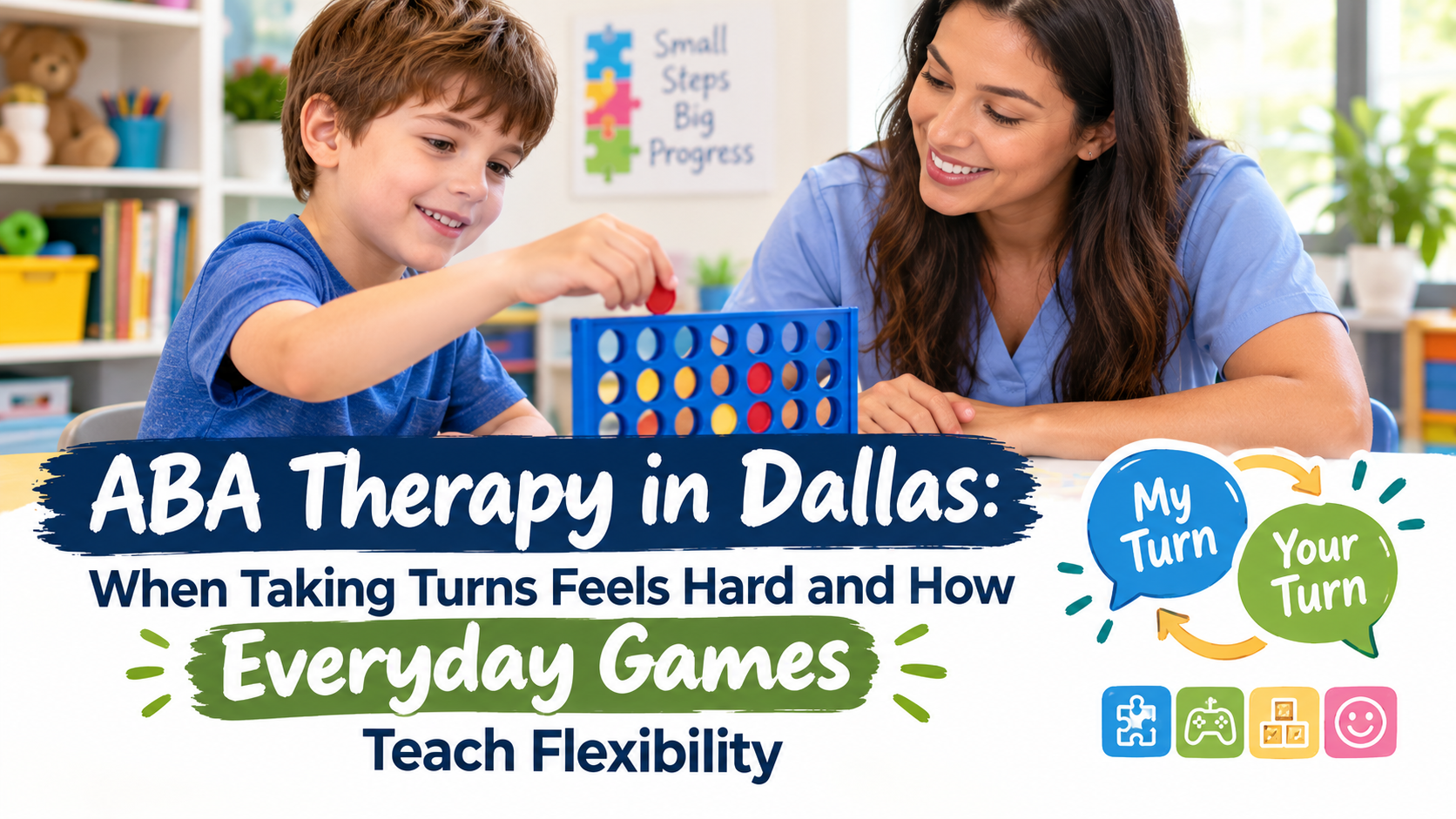

Why In-Home ABA Therapy Can Make a Big Difference for Your Child

ABA Clinic
Why In-Home ABA Therapy Can Make a Big Difference for Your Child

As a parent, seeing your child struggle with social, behavioral, or communication challenges can be overwhelming. Many families of children on the autism spectrum seek therapies that provide real results while fitting seamlessly into their daily lives. One approach that has shown remarkable effectiveness is in-home ABA therapy. By bringing Applied Behavior Analysis (ABA) therapy directly into your home, children can receive personalized support in an environment where they feel safe, comfortable, and confident.

In this blog, we’ll explore why in-home ABA therapy can make a big difference for your child and how it compares to traditional clinic-based therapy.

What is ABA Therapy?

ABA, or Applied Behavior Analysis, is a well-researched therapeutic approach designed to improve social, communication, and behavioral skills in children, particularly those with autism spectrum disorder (ASD)ABA therapy focuses on understanding your child’s unique behaviors, identifying areas for improvement, and teaching practical skills through structured and positive reinforcement techniques.

Traditionally, ABA therapy has been offered in clinics or schools. While these settings provide structured environments, they may not always reflect the situations your child encounters at home or in daily life. This is where home-based ABA therapy comes in.

The Advantages of In-Home ABA Therapy

1. Comfort and Familiarity

For many children with autism, new environments can be overwhelming. Transitioning to a clinic can cause anxiety, which may interfere with the learning process. In-home ABA therapy eliminates this challenge by taking place in the environment your child knows best — their home. Being in a familiar setting allows your child to engage more readily in therapy sessions and reduces stress, making progress faster and more sustainable.

2. Personalized, One-on-One Support

In-home ABA therapy offers individualized attention tailored specifically to your child’s needs. Unlike group sessions in a clinic, a trained ABA therapist can focus entirely on your child, adjusting teaching methods, pace, and reinforcement strategies in real time. This level of personalized care can be transformative, especially for children who require highly specific interventions.

3. Real-World Skill Development

One of the key benefits of home-based ABA programs is that learning occurs in the environment where skills will actually be used. Therapists can work with your child on everyday routines such as getting dressed, mealtime etiquette, potty training, or social interactions with siblings. By practicing skills in real-world settings, children are more likely to generalize what they learn and apply it outside of therapy sessions.

4. Flexible Scheduling for Families

Parents often juggle multiple responsibilities, from work commitments to managing other children’s schedules. In-home ABA therapy provides flexibility, allowing sessions to be scheduled at times that are convenient for your family. This flexibility ensures that therapy is consistent and integrated into daily life, rather than feeling like an additional burden.

5. Family Involvement and Coaching

In-home therapy offers unique opportunities for parents and caregivers to participate in sessions and learn strategies to support their child’s growth. ABA therapists often provide coaching, demonstrating techniques and sharing insights that families can use between sessions. This collaborative approach empowers families and reinforces the therapy’s effectiveness.

How In-Home ABA Therapy Supports Autism Early Intervention

Research shows that early intervention is critical in supporting children with autism. Starting therapy at a younger age can significantly improve long-term outcomes in communication, socialization, and adaptive skills. In-home ABA therapy provides a structured, early intervention approach that targets developmental milestones in the context of your child’s daily life.

With early intervention, children often experience:

  • Improved social skills, such as making eye contact, sharing, and initiating conversation
  • Enhanced communication abilities, including verbal and non-verbal expression
  • Reduced challenging behaviors, including tantrums, aggression, or self-injury
  • Greater independence in daily routines

By integrating therapy directly into the home, progress is often faster, and gains can be maintained more effectively.

Common Misconceptions About In-Home ABA Therapy

Despite its proven benefits, some families may hesitate to try in-home ABA therapy due to misconceptions:

  • “Therapy at home won’t be structured enough.” In reality, in-home ABA therapy follows a structured plan developed by board-certified behavior analysts (BCBAs) and adapts evidence-based methods to your child’s environment.
  • “My child will feel isolated from peers.” While in-home therapy focuses on one-on-one instruction, many programs incorporate socialization opportunities in community settings as skills develop.
  • “It’s too expensive.” Many insurance plans now cover ABA therapy, including home-based programs. Additionally, families often find that in-home therapy saves time and reduces stress compared to commuting to clinics.

Tips for Maximizing the Benefits of In-Home ABA Therapy

  1. Consistency is Key — Regular, scheduled sessions are essential for progress. Even brief daily practice of learned skills between sessions can reinforce results.
  2. Collaborate with the Therapist — Share observations, successes, and challenges with your ABA therapist. This collaboration ensures therapy is tailored to your child’s evolving needs.
  3. Create a Safe, Distraction-Free Space — A designated area for therapy at home can help your child focus and feel comfortable.
  4. Celebrate Progress — Positive reinforcement extends beyond therapy. Celebrate small victories at home to motivate and encourage your child.
  5. Stay Informed — Learning about ABA techniques and research allows families to actively participate and make informed decisions about their child’s care.

Choosing the Right In-Home ABA Program

Selecting the right in-home ABA provider is critical for your child’s success. Look for programs that:

By choosing a reputable in-home ABA program, you can ensure your child receives the highest quality care tailored to their unique needs.

Conclusion

For children with autism, in-home ABA therapy offers a personalized, effective, and family-friendly approach that can make a profound difference. By providing therapy in the comfort of your home, children are better able to focus, learn, and generalize essential skills into daily life. Families also benefit from increased involvement, coaching, and the ability to integrate therapy seamlessly into routines.

If you’re seeking a proven way to support your child’s development and behavioral growth, exploring home-based ABA therapy could be the transformative step your family needs. With early intervention, individualized care, and family collaboration, your child can make meaningful progress in a safe, supportive environment.

Contact us at 972–310–4991 or visit https://radiantspectrumtherapy.com/ to learn more.

Share This :