
When a child begins ABA therapy at age three, families often wonder what the future will look like. Those early days can feel overwhelming — new routines, new professionals, and a lot of unknowns. But looking ahead, the years between ages three and six can be some of the most transformative in a child’s development.
At Radiant Spectrum Therapy, we’ve seen firsthand how early intervention shapes not only skills, but confidence, independence, and family connection. Whether families are exploring Autism Treatment Highland Park or searching for trusted ABA providers 75205, understanding what progress can look like over time helps set realistic expectations and meaningful goals.
Starting at Age 3: Building the Foundation
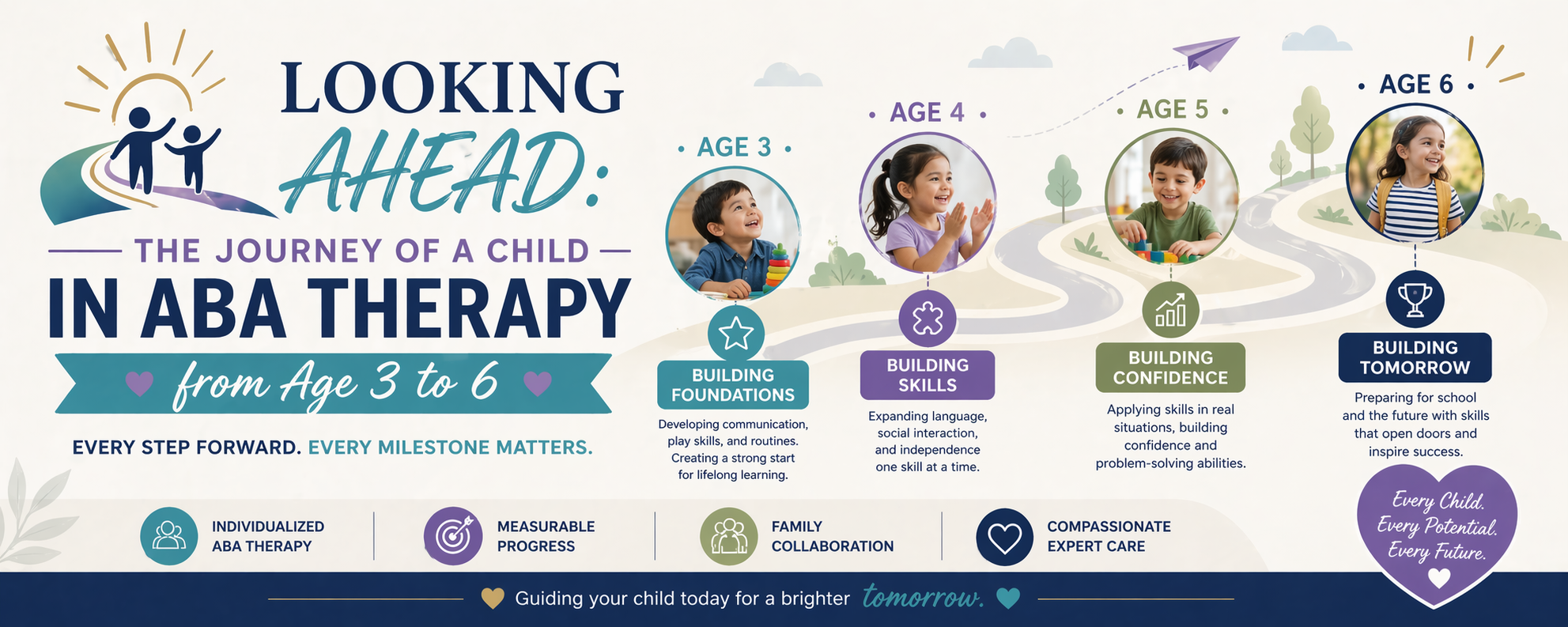
At three years old, many children entering ABA therapy are just beginning to develop foundational skills. Communication may be limited, social interactions may feel difficult, and daily routines can be challenging.
This is where both Center-Based ABA and Home-Based ABA Therapy play a critical role. Early sessions often focus on:
- Basic communication (verbal or alternative methods)
- Following simple instructions
- Reducing challenging behaviors
- Developing early play skills
In a center-based autism services setting, children are introduced to structured learning environments that mimic classroom settings. This helps them get comfortable with routines and transitions.
At the same time, in-home ABA therapy Dallas allows therapists to work directly within the child’s natural environment. This is where real-life learning happens — mealtime routines, play with siblings, and everyday interactions.
Parents also begin their journey with ABA Parent Training during this stage. This is one of the most important components of early progress. When parents understand how to reinforce skills and manage behaviors consistently, progress tends to happen faster and more naturally.
Age 4: Expanding Communication and Social Skills
By age four, many children begin showing noticeable improvements, especially when therapy has been consistent. Families who started early with ABA therapy Highland Park, TX often see growth in areas like:
- Increased vocabulary or communication attempts
- Improved eye contact
- Better tolerance for transitions
- Reduced frustration-related behaviors
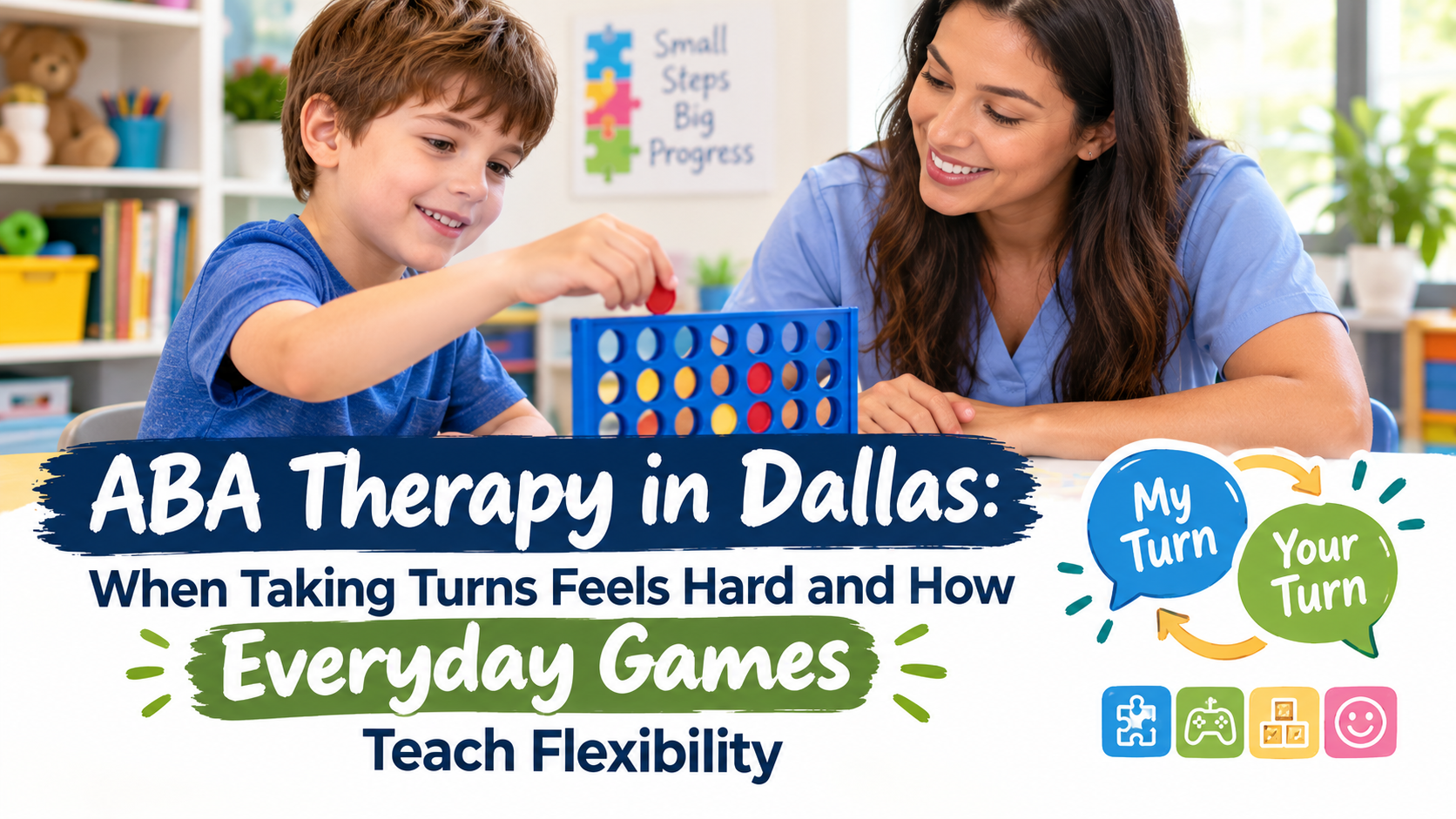
This stage is where behavioral therapy Park Cities becomes even more impactful. Therapists begin focusing more on social interaction — learning to play alongside peers, take turns, and engage in shared activities.
Children in local ABA clinic Texas settings may start participating in small group sessions. These structured social opportunities help children practice real-life interactions in a safe and supportive environment.
Meanwhile, parent training for autism continues to evolve. Parents are no longer just learning basics — they’re becoming confident in implementing strategies themselves. They begin to recognize triggers, reinforce positive behaviors, and support skill-building throughout the day.
Age 5: Preparing for School Readiness
At five years old, the focus often shifts toward school readiness. This is a critical transition point, especially for children who will soon enter kindergarten or a structured learning environment.
In center-based autism services, therapy sessions may now include:
- Sitting for longer periods
- Following multi-step instructions
- Participating in group activities
- Developing early academic skills
For families using in-home ABA therapy Dallas, therapists may simulate classroom routines at home. This could include structured table time, practicing transitions, and working on independence with daily tasks.
Children receiving pediatric behavioral health Highland Park services often show growth in emotional regulation during this stage. They begin to:
- Express needs more clearly
- Handle changes with less distress
- Recover more quickly from frustration
This is also a time when ABA Parent Training becomes even more collaborative. Parents and therapists work closely together to align strategies across home, therapy, and future school environments.
Families searching for Autism Treatment Highland Park often find this stage encouraging, as progress becomes more visible and measurable.
Age 6: Strengthening Independence and Confidence
By age six, many children who have been in consistent ABA therapy since age three show meaningful gains in independence.
While every child’s journey is unique, common areas of progress may include:
- Functional communication (verbal or assisted)
- Ability to follow routines independently
- Improved peer interaction
- Reduced reliance on prompts
In behavioral therapy Park Cities programs, therapists often focus on refining skills rather than introducing entirely new ones. The goal becomes helping the child generalize what they’ve learned across different environments.
For example, a child who can communicate needs at home should also be able to do so in a classroom, at a park, or during a social activity.
This is where the combination of Center-Based ABA and Home-Based ABA Therapy continues to be valuable. Skills learned in structured environments are practiced and reinforced in everyday life.
Families working with ABA providers 75205 often notice a shift at this stage. Therapy becomes less about constant intervention and more about support, guidance, and fine-tuning.
The Role of Consistency Over Time
One of the biggest factors in long-term success is consistency. Children who receive regular therapy — whether through a local ABA clinic Texas or in-home ABA therapy Dallas — tend to make more steady progress.
Consistency doesn’t just mean attending sessions. It also includes:
- Following through with strategies at home
- Staying engaged in ABA Parent Training
- Maintaining open communication with therapists
When families and providers work together, the child benefits from a unified approach. This is especially important during transitions, such as moving from age three to six, where expectations and environments naturally change.
Supporting the Whole Family
It’s important to recognize that ABA therapy isn’t just about the child — it’s about the entire family.
parent training for autism helps caregivers feel empowered rather than overwhelmed. Instead of feeling unsure about how to respond to behaviors, parents gain tools they can use confidently every day.
This support becomes even more valuable over time. As children grow and develop, new challenges arise. Having a strong foundation in ABA strategies helps families adapt and continue moving forward.
Looking Ahead with Confidence
The journey from age three to six in ABA therapy is filled with growth, learning, and progress. While challenges may still arise, the difference over these years can be significant.
Families who begin early with ABA therapy Highland Park, TX often find that their child develops not only skills, but also confidence and independence.
Whether through center-based autism services or Home-Based ABA Therapy, the key is starting early, staying consistent, and remaining engaged.
For those exploring Autism Treatment Highland Park or searching for trusted ABA providers 75205, it’s important to remember that progress doesn’t happen overnight — but it does happen.
And when you look ahead, those early years of dedication can open the door to a more independent and fulfilling future for your child.
Contact us at 972–310–4991 or visit https://radiantspectrumtherapy.com/ to learn more.