
When a family begins searching for autism services, they often hear titles like “BCBA” or “Clinical Director” and wonder what those professionals actually do. While those roles may sound technical at first, they are often the people guiding some of the most important progress a child will make during therapy.
At Radiant Spectrum Therapy, families looking for Autism Treatment Highland Park services want more than appointments and evaluations. They want compassionate professionals who understand their child, create meaningful goals, and provide support that fits into everyday life. That is where BCBAs and Clinical Directors play a major role.
From developing personalized treatment plans to supporting parents and supervising therapists, these professionals help shape the quality and effectiveness of ABA services. Whether a family is considering Center-Based ABA, Home-Based ABA Therapy, or a combination of services, understanding these roles can help parents feel more confident when choosing care for their child.
What Is a BCBA?
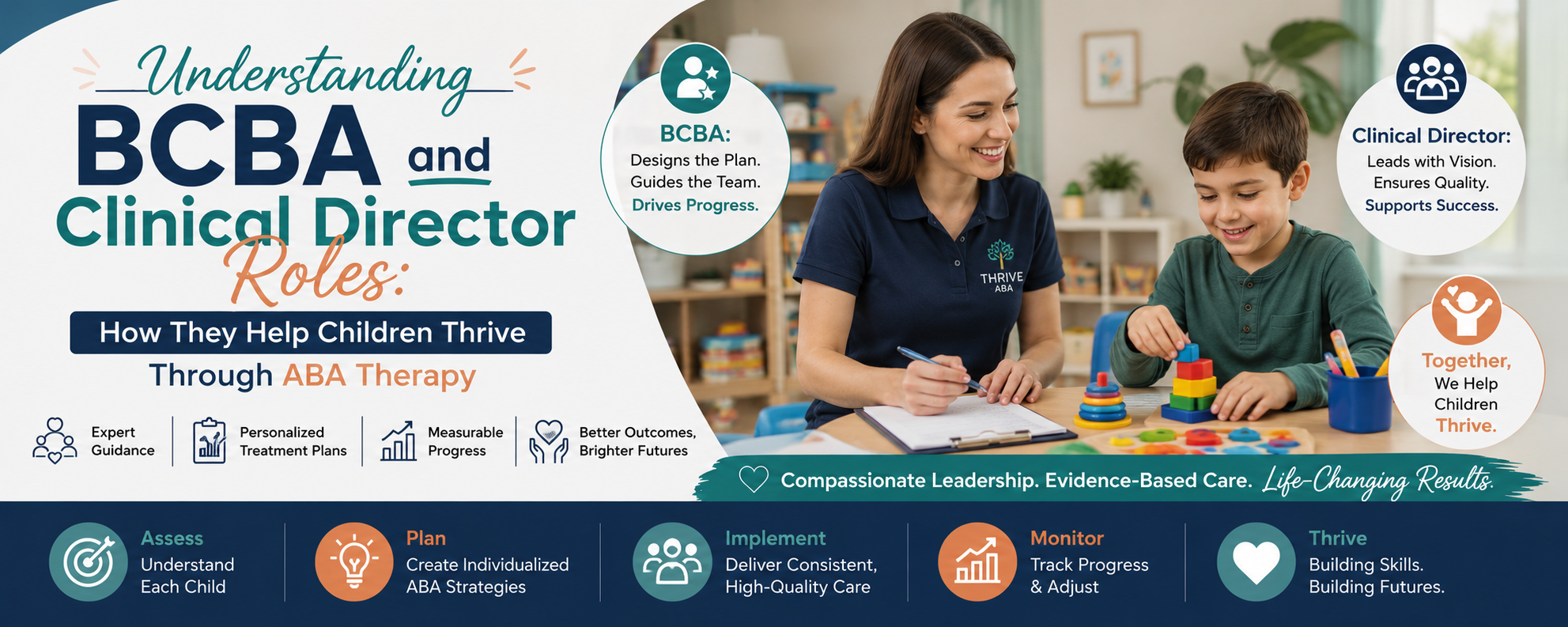
A BCBA, or Board Certified Behavior Analyst, is a highly trained professional who specializes in behavior analysis and autism therapy. They are certified experts who assess behavior, create treatment plans, monitor progress, and guide therapy teams.
In simple terms, a BCBA helps children learn important life skills while reducing behaviors that interfere with daily routines, communication, learning, and social interaction.
Families searching for ABA therapy Highland Park options often work closely with a BCBA throughout their child’s care journey. The BCBA is typically responsible for creating individualized goals based on the child’s strengths, challenges, communication style, and developmental needs.
What Does a BCBA Actually Do?
Many parents are surprised by how involved a BCBA is in their child’s progress. Their responsibilities go far beyond paperwork or evaluations.
A BCBA often begins by conducting a detailed assessment. This includes observing the child, speaking with parents, reviewing developmental history, and identifying behaviors or skill gaps that need attention.
Once the assessment is complete, the BCBA develops a customized treatment plan. These goals may focus on areas such as:
- Communication skills
- Social interaction
- Emotional regulation
- Daily living routines
- Play skills
- School readiness
- Behavior reduction
- Safety awareness
During Center-Based ABA sessions or Home-Based ABA Therapy, the BCBA supervises therapy implementation and adjusts strategies based on progress. They continuously review data to ensure therapy remains effective and meaningful.
For families seeking in-home ABA therapy Dallas services, BCBAs may also help parents navigate challenges that occur during meals, bedtime routines, transitions, or community outings.
Why BCBAs Matter in Autism Care
Every child with autism is unique. A strategy that works for one child may not work for another. That is why having a qualified BCBA is so important.
A BCBA understands how to break complex skills into manageable steps that children can learn gradually and successfully. They use evidence-based techniques while making sure therapy remains individualized and supportive.
Families looking for center-based autism services often appreciate how BCBAs coordinate care across different environments. They may collaborate with teachers, speech therapists, occupational therapists, and caregivers to create consistency for the child.
The guidance of a BCBA can help children:
- Build communication skills
- Improve independence
- Strengthen social interaction
- Develop coping skills
- Reduce unsafe behaviors
- Increase confidence in everyday settings
For many parents, the BCBA also becomes a trusted source of education and reassurance throughout the therapy journey.
The Importance of ABA Parent Training
One of the most valuable services a BCBA provides is ABA Parent Training. Therapy is often most successful when families feel empowered to continue strategies at home.
Parents spend the most time with their children, so involving them in the process creates consistency and stronger long-term progress.
During ABA Parent Training, a BCBA may teach caregivers how to:
- Respond to challenging behaviors
- Encourage communication
- Support transitions
- Reinforce positive behaviors
- Build routines at home
- Improve social opportunities
- Practice calming strategies
Many families searching for parent training for autism services find that this support helps reduce stress at home while improving confidence as caregivers.
Rather than expecting parents to become therapists, the goal is to provide practical tools that fit naturally into everyday family life.
What Is a Clinical Director?
While the BCBA works directly with individual treatment plans and therapy oversight, the Clinical Director is responsible for leading the overall clinical quality of the program.
In many ABA providers 75205 locations, the Clinical Director serves as the senior clinical leader who ensures children receive high-quality, ethical, and effective care.
A Clinical Director often supervises multiple BCBAs and therapy teams while maintaining standards for assessments, treatment planning, staff training, and family support.
They help create a strong clinical culture where therapists are supported, children receive individualized care, and families feel heard.
Responsibilities of a Clinical Director
The Clinical Director role combines leadership, mentorship, and clinical expertise.
Some of their responsibilities may include:
- Supervising BCBAs and therapy staff
- Reviewing treatment plans
- Ensuring quality of care
- Supporting staff development
- Managing clinical operations
- Monitoring child progress across programs
- Maintaining ethical and professional standards
- Collaborating with families and providers
In pediatric behavioral health Highland Park programs, Clinical Directors often help shape how services are delivered across both home and clinic settings.
They also play an important role in making sure therapy approaches remain updated and evidence-based.
How Clinical Directors Support Families
Although parents may not interact with the Clinical Director every day, their influence affects nearly every part of the therapy experience.
Strong Clinical Directors help create systems that prioritize communication, compassion, and individualized treatment. They also support BCBAs when difficult cases arise or when treatment plans need adjustment.
Families searching for local ABA clinic Texas services often benefit from Clinical Directors who promote collaboration and family involvement throughout care.
In many cases, Clinical Directors also assist with:
- Intake and assessment oversight
- Program development
- Staff coaching
- Crisis support
- Transition planning
- Family guidance
Their leadership helps ensure children receive consistent and organized care from the entire therapy team.
Center-Based ABA vs. Home-Based Services
Both Center-Based ABA and Home-Based ABA Therapy offer important benefits, and many children participate in both depending on their needs.
A BCBA and Clinical Director help determine which environment may provide the greatest support.
Benefits of Center-Based ABA
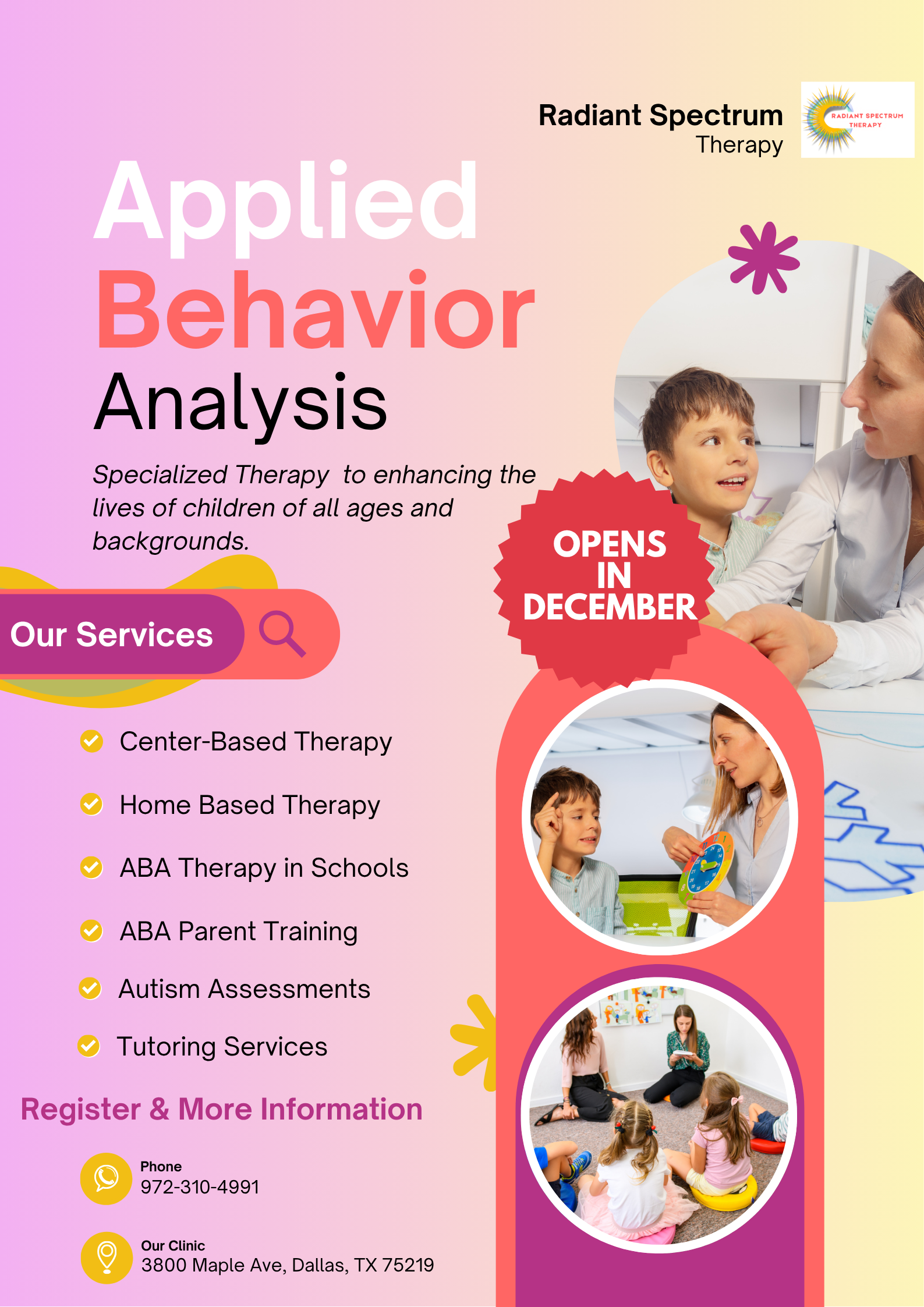
center-based autism services provide a structured setting where children can work on communication, social interaction, routines, and learning readiness.
This environment often includes:
- Peer interaction opportunities
- Structured schedules
- Group learning experiences
- Controlled learning environments
- Access to multiple therapists and specialists
Families searching for behavioral therapy Park Cities services may prefer center-based programs when children benefit from social opportunities and consistent routines.
Benefits of Home-Based ABA Therapy
Home-Based ABA Therapy allows children to work on skills within their natural environment.
This approach can be especially helpful for:
- Daily routines
- Mealtime behaviors
- Bedtime transitions
- Toileting
- Community skills
- Sibling interaction
- Parent coaching
Families looking for in-home ABA therapy Dallas services often appreciate the convenience and real-life application of therapy strategies at home.
A BCBA helps determine how to balance both environments based on the child’s developmental goals and family needs.
Choosing the Right ABA Team
When selecting ABA therapy Highland Park services, parents should look beyond just the therapy schedule. The quality of leadership and supervision matters significantly.
A strong ABA program should include:
- Experienced BCBAs
- Supportive Clinical Directors
- Individualized treatment plans
- Family communication
- Parent involvement
- Ethical care practices
- Consistent progress monitoring
Families should feel comfortable asking questions about supervision, staff training, and how treatment goals are developed.
The relationship between parents and the clinical team is an important part of successful therapy outcomes.
Supporting Children Beyond Therapy Sessions
The best autism services do not focus only on behavior reduction. They focus on helping children build meaningful, functional skills that improve quality of life.
BCBAs and Clinical Directors work together to create programs that support long-term growth, independence, communication, and confidence.
For families seeking Autism Treatment Highland Park services, having knowledgeable professionals guiding therapy can make a major difference in both the child’s progress and the family’s overall experience.
Whether through Center-Based ABA, ABA Parent Training, or Home-Based ABA Therapy, these professionals help children build skills that extend far beyond the therapy room.
Every child deserves compassionate care tailored to their individual strengths and needs. With the right clinical team in place, families can feel supported, informed, and hopeful about the journey ahead.
Contact us at 972–310–4991 or visit https://radiantspectrumtherapy.com/ to learn more.