

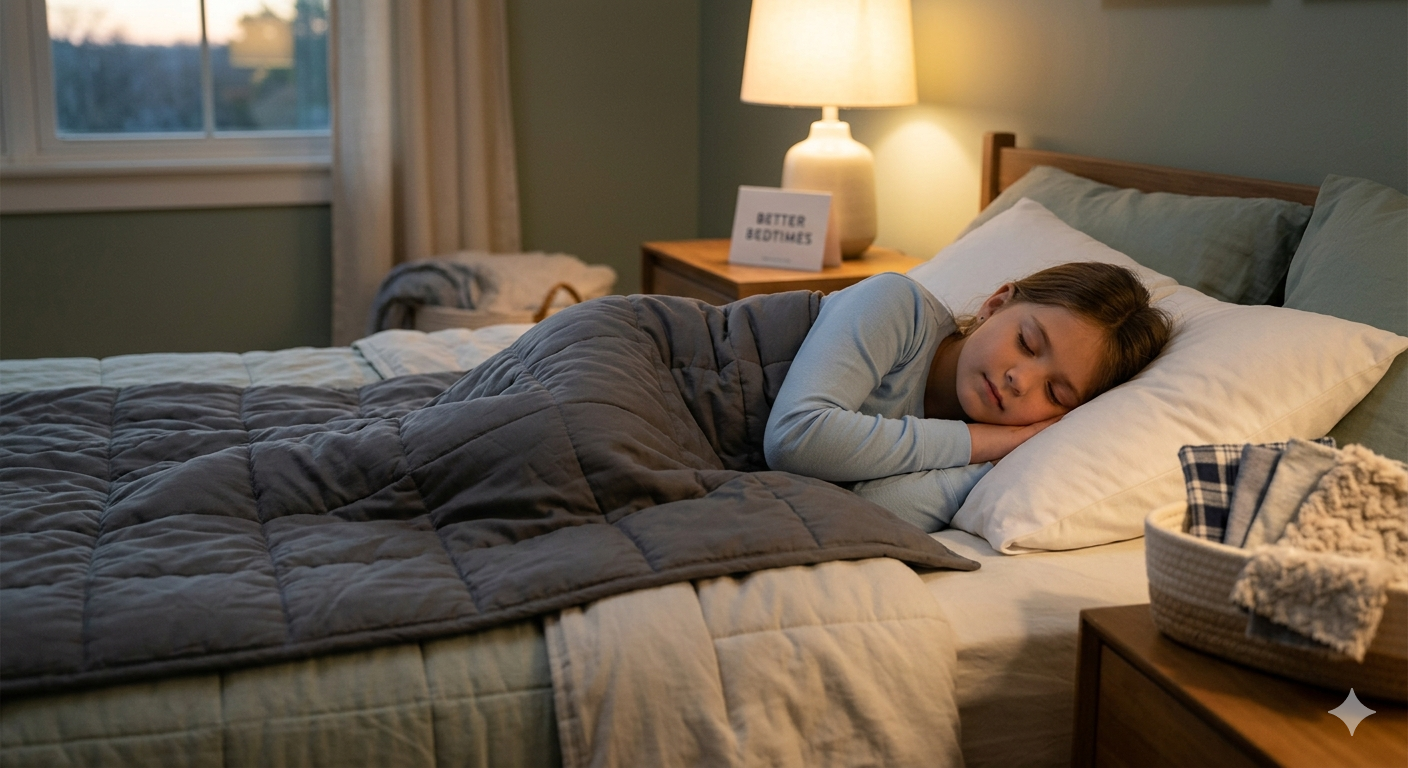
A good night’s sleep can make a remarkable difference in a child’s mood, focus, emotional regulation, and overall well-being. For many families raising a child with autism, bedtime can be one of the most challenging parts of the day. Difficulty settling down, sensitivity to textures, frequent waking, and trouble staying asleep are common concerns that can affect the entire household.
Creating a comfortable sleep environment is often an important step toward better rest. One area that deserves special attention is bedding. The feel of sheets, blankets, pajamas, and even pillows can significantly influence how comfortable a child feels at bedtime. For some children, sensory-friendly bedding and weighted blankets may help create a calming environment that supports a more restful sleep routine.
At Radiant Spectrum Therapy, families frequently ask how they can make bedtime easier at home. While every child has unique preferences and sensory needs, understanding the available options can help parents make informed choices that support healthy sleep habits.
Why Sensory-Friendly Bedding Matters
Many children with autism experience sensory sensitivities. Certain textures, temperatures, sounds, or physical sensations may feel overwhelming or distracting. Something as simple as a scratchy tag, rough fabric, or wrinkled sheet can make it difficult for a child to relax enough to fall asleep.
Sensory-friendly bedding is designed to reduce discomfort and create a more soothing sleep environment. The goal is not necessarily to eliminate all sensory input but to provide bedding that feels comfortable and predictable.
Parents often notice that their child gravitates toward specific fabrics or blankets throughout the day. Paying attention to these preferences can offer valuable clues when selecting bedding for nighttime use.
Families receiving ABA therapy Highland Park, TX often discuss sensory challenges as part of their child’s daily routines, including bedtime. Small environmental changes can sometimes make a meaningful difference in helping children feel secure and comfortable.
Choosing the Right Bedding Materials
The fabric used in bedding can have a major impact on sleep quality. Some materials feel soft and breathable, while others may cause irritation or discomfort.
Cotton
Cotton remains one of the most popular choices for sensory-friendly bedding. It is soft, breathable, and generally comfortable across different seasons. High-quality cotton sheets can help regulate temperature while providing a smooth sleeping surface.
Bamboo-Based Fabrics
Bamboo fabrics are known for their softness and moisture-wicking properties. Many parents find that bamboo sheets feel exceptionally smooth, making them a good option for children who are sensitive to rough textures.
Jersey Knit
Jersey-knit sheets feel similar to a favorite soft T-shirt. Because they are stretchy and cozy, some children find them comforting and easier to tolerate than traditional woven sheets.
Avoiding Irritants
When selecting bedding, it may be helpful to avoid materials that feel stiff, scratchy, or overly textured. Seams, decorative stitching, and tags can also become sources of discomfort for children with heightened sensory awareness.
Families participating in Home-Based ABA Therapy often discover that observing a child’s reactions to different textures can provide useful information for creating a more comfortable bedtime environment.
The Importance of Temperature Regulation
Temperature can significantly influence sleep quality. Some children are especially sensitive to feeling too hot or too cold.
Breathable sheets and blankets can help maintain a comfortable sleeping temperature throughout the night. Lightweight layers often work better than a single heavy blanket because they allow parents to make adjustments based on changing temperatures.
Consider the following tips:
- Use breathable fabrics whenever possible.
- Choose moisture-wicking materials for children who tend to sweat during sleep.
- Keep the bedroom at a consistent temperature.
- Layer bedding to allow flexibility.
A child who feels physically comfortable is often more likely to settle into a restful sleep routine.
Understanding Weighted Blankets
Weighted blankets have gained popularity among families seeking sensory supports. These blankets contain evenly distributed weight, providing gentle pressure across the body.
Many people compare the sensation to a comforting hug or firm embrace. This pressure may help some children feel calmer and more secure during rest periods.
While weighted blankets are not a solution for every sleep challenge, some families report improvements in bedtime routines and overall relaxation when used appropriately.
Professionals involved in pediatric behavioral health Highland Park frequently emphasize the importance of individualized approaches. What works well for one child may not be the best option for another.
How to Choose a Weighted Blanket
Selecting the right weighted blanket involves more than simply choosing the heaviest option available.
Consider the Weight
The blanket should be appropriate for the child’s size and age. Parents should consult healthcare professionals when determining whether a weighted blanket is suitable for their child.
Evaluate the Fabric
Just like sheets and comforters, weighted blankets come in a variety of materials. Choosing a fabric that aligns with a child’s sensory preferences is essential.
Look for Even Weight Distribution
Quality weighted blankets distribute weight evenly throughout the blanket. Uneven filling can create discomfort and reduce effectiveness.
Ease of Cleaning
Children’s bedding often requires frequent washing. Removable covers and machine-washable materials can simplify maintenance.
Families working with ABA Parent Training programs often discuss practical home strategies that support daily routines, including sleep-related challenges.
Creating a Sensory-Friendly Sleep Space
Bedding is only one piece of the puzzle. The overall sleep environment can influence how easily a child transitions to bedtime.
Reduce Visual Clutter
A calm and organized bedroom may help reduce overstimulation. Excessive decorations, bright lights, or busy patterns can sometimes be distracting.
Consider Lighting
Soft lighting can support relaxation before bed. Blackout curtains may help children who are sensitive to outside light.
Limit Noise
Some children benefit from white noise machines or other consistent background sounds that help mask unexpected noises.
Maintain Consistency
Predictable bedtime routines often support better sleep habits. Following the same sequence of activities each evening can help signal that it is time to rest.
Families receiving center-based autism services frequently work on routines and transitions that can be carried over into the home environment.
Signs That Bedding May Be Affecting Sleep
Sometimes children cannot easily communicate what is bothering them at bedtime. Parents may notice clues that suggest bedding or sensory discomfort is contributing to sleep challenges.
Potential signs include:
- Frequently kicking off blankets
- Refusing to get into bed
- Constant repositioning during the night
- Complaints about clothing or sheets
- Difficulty settling despite feeling tired
- Increased irritability around bedtime
Observing patterns can help parents identify potential triggers and make adjustments that improve comfort.
Many families seeking Autism Treatment Highland Park explore environmental modifications as part of a broader effort to support daily functioning and quality of life.
Balancing Comfort and Preference
One of the most important things parents can remember is that sensory preferences vary widely from child to child.
Some children prefer lightweight blankets and cool fabrics. Others seek deep pressure and enjoy heavier bedding. Some love silky textures, while others prefer soft cotton.
Parents may need to experiment with several options before finding the combination that works best.
Allowing children to participate in choosing bedding can also be beneficial. Giving them opportunities to touch fabrics, compare textures, and express preferences may increase their comfort and willingness to use new items.
Families involved in behavioral therapy Park Cities often find that incorporating a child’s preferences into daily routines encourages greater cooperation and independence.
Supporting Better Sleep Through a Team Approach
Sleep difficulties can affect behavior, learning, attention, and family well-being. While sensory-friendly bedding may help improve comfort, it is important to remember that sleep challenges can have many contributing factors.
Working with experienced professionals can help families identify strategies tailored to their child’s specific needs. Sleep routines, environmental adjustments, behavioral supports, and parent education can all play a role in promoting healthier sleep habits.
Families searching for in-home ABA therapy Dallas often appreciate practical recommendations that can be implemented directly within their daily routines. Likewise, families utilizing Center-Based ABA programs may benefit from collaboration between therapists and caregivers to support consistent expectations across settings.
Parents looking for guidance may also seek support from ABA providers 75205, where individualized care and family involvement are often key components of successful intervention. Through parent training for autism, caregivers can learn strategies that help address common bedtime challenges while creating a more calming and predictable evening routine.
Final Thoughts
Better sleep often starts with a comfortable environment. Sensory-friendly bedding and appropriately selected weighted blankets may help some children feel more relaxed, secure, and ready for rest. By paying attention to sensory preferences, choosing comfortable materials, and creating a calm bedtime atmosphere, parents can take meaningful steps toward improving sleep quality.
Every child’s needs are unique, and finding the right combination of supports may take time. However, thoughtful adjustments to bedding and the sleep environment can make bedtime less stressful and more successful for the entire family. When combined with professional guidance and consistent routines, these changes can help support healthier sleep habits and more restful nights.
Contact us at 972–310–4991 or visit https://radiantspectrumtherapy.com/ to learn more