

Every parent wants to build a strong, trusting relationship with their child. When a child is learning new skills, managing challenges, or receiving support services, that relationship becomes even more important. One of the most effective ways to encourage learning and reduce frustration is through proactive pairing — a simple but powerful approach that focuses on connection before expectations.
Rather than jumping into instructions, corrections, or structured activities, proactive pairing encourages parents to spend time creating positive experiences with their child. When children see their parents as a source of comfort, fun, and support, they are naturally more willing to engage, communicate, and learn.
Families exploring ABA Therapy in Dallas often discover that success is built on relationships first. Whether a child receives services in a clinic or at home, a strong parent-child connection lays the foundation for meaningful progress.
What Is Proactive Pairing?
Proactive pairing is the process of building positive associations with yourself before asking your child to complete tasks or learn new skills. Think of it as filling up a relationship bank account. Every smile, shared laugh, game, or positive interaction adds value to that account.
When parents consistently create enjoyable moments without placing demands on their child, they become associated with safety, trust, and fun instead of constant correction or instruction.
This doesn’t mean avoiding structure or expectations forever. Instead, it creates a solid foundation that makes learning feel less stressful and more cooperative.
Many professionals providing Center-Based ABA emphasize pairing during the first stages of therapy because children are more likely to participate when they feel comfortable with their environment and the people supporting them.
Why Connection Comes Before Learning
Children, especially those with autism, often experience the world differently. New situations, transitions, and expectations can feel overwhelming. If every interaction begins with a request or correction, children may become hesitant or resistant.
By focusing on connection first, parents help create emotional security. When children feel safe, they are more open to communication, exploration, and trying new things.
This principle is frequently discussed during ABA Parent Training, where families learn practical ways to encourage cooperation without creating unnecessary power struggles.
The goal is simple: make your presence something your child looks forward to instead of something they associate with work.
Creating a Positive Home Environment
Home should be a place where children feel accepted, supported, and understood. A proactive pairing approach helps create that atmosphere by encouraging parents to spend intentional time together without expectations.
Some simple ways to pair positively include:
- Sitting beside your child while they play
- Following their interests instead of directing the activity
- Reading favorite books together
- Dancing to music
- Building with blocks
- Drawing pictures
- Playing pretend games
- Taking short walks
- Sharing smiles and laughter
These interactions communicate an important message: “I enjoy spending time with you.”
Families participating in Home-Based ABA Therapy often find that these everyday moments become valuable opportunities for relationship building and skill development.
Following Your Child’s Lead
One of the easiest ways to strengthen rapport is by allowing your child to lead the activity.
If they want to stack blocks, stack blocks together. If they enjoy spinning toys, watch with curiosity instead of interrupting. If they love dinosaurs or trains, join their world rather than redirecting it.
Following your child’s interests creates natural opportunities for communication and engagement.
Many providers offering ABA therapy Dallas encourage parents to observe first and participate second, allowing children to feel understood and respected.
Separating Play From Demands
Parents naturally spend much of the day giving instructions:
Put on your shoes.
Clean up your toys.
Finish your dinner.
Come here.
While these requests are necessary, children also need interactions that have no expectations attached.
Set aside ten or fifteen minutes each day where there are no corrections, no teaching goals, and no pressure to perform. During this time, simply enjoy being together.
Families receiving autism services Dallas TX often notice that children become more willing to follow directions after experiencing regular periods of stress-free connection.
Small Moments Create Big Results
Proactive pairing doesn’t require expensive toys or elaborate activities.
Simple moments often have the greatest impact:
Sharing a snack
Watching bubbles float
Playing with water outside
Singing favorite songs
Reading the same story again
Celebrating silly moments
These positive experiences build trust over time.
Professionals specializing in behavioral therapy North Texas frequently remind parents that consistency matters more than perfection. Five positive minutes every day can make a meaningful difference.
Making Learning Feel Natural
Once a strong connection has been established, learning opportunities become much easier to introduce.
Instead of presenting demands immediately, parents can gradually incorporate simple requests into enjoyable activities.
For example:
While building blocks together, ask your child to hand you one block.
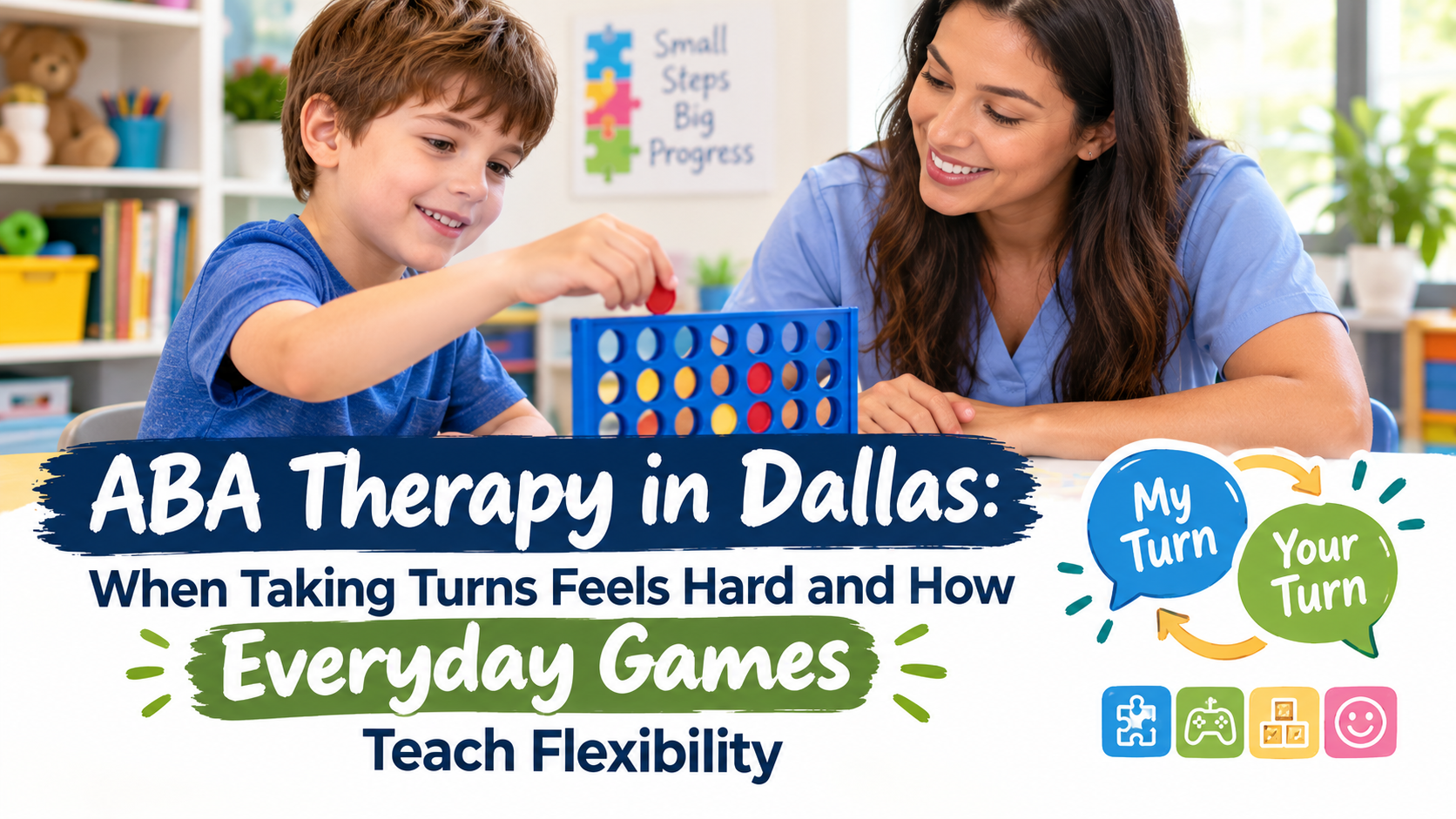
During a favorite game, encourage taking turns.
While reading, pause and allow your child to point to a picture.
Because the activity is already enjoyable, these small expectations feel less intimidating.
Families participating in in-home ABA therapy Dallas often use this approach to help children practice communication, waiting, sharing, and daily living skills without creating unnecessary stress.
Celebrating Cooperation Instead of Perfection
Children thrive when their efforts are recognized.
Instead of focusing only on completed tasks, celebrate participation, attempts, and moments of cooperation.
Positive comments like:
“I love playing with you.”
“That was so much fun.”
“You worked really hard.”
“Thank you for helping.”
can strengthen motivation while reinforcing your connection.
Many Dallas ABA centers encourage families to create an encouraging atmosphere where progress is acknowledged in small, meaningful ways.
Building Trust Through Predictability
Children often feel more comfortable when they know what to expect.
Creating simple routines around playtime, meals, bedtime, and family activities helps establish security.
If a child knows that every evening includes ten minutes of uninterrupted play with a parent, that predictable connection becomes something they can rely on.
This consistency strengthens relationships while reducing anxiety around transitions and learning opportunities.
Parents participating in autism parent training Dallas often report that consistent positive routines improve cooperation across many areas of daily life.
When Challenges Happen
Every family experiences difficult moments. There will be days when children refuse activities, become frustrated, or need extra support.
During these moments, proactive pairing reminds parents to reconnect before increasing demands.
Instead of immediately correcting behavior, try rebuilding engagement through a preferred activity or calm interaction.
Returning to connection helps preserve trust while creating opportunities for problem-solving together.
Many ABA therapy providers 75201 encourage parents to view challenging moments as opportunities to strengthen relationships rather than win battles.
Supporting Long-Term Growth
The strongest learning environments are built on positive relationships.
Children who feel safe are more willing to communicate, explore new experiences, and accept guidance from trusted adults.
Parents don’t need to create perfect teaching sessions every day. What matters most is consistently showing up with patience, warmth, and genuine enjoyment of time spent together.
Professionals providing pediatric behavioral therapy Dallas recognize that meaningful progress often begins with simple moments of shared connection.
Whether families are participating in structured programs or creating learning opportunities at home, proactive pairing helps transform everyday interactions into experiences that build confidence, trust, and cooperation.
A Foundation for Lifelong Success
Every smile shared, every game played, and every quiet moment spent together strengthens the parent-child relationship.
Connection is not separate from learning — it is the foundation that makes learning possible.
Families working with Dallas autism specialists understand that trust opens the door to communication, independence, and growth. By creating a home environment where children feel safe, valued, and supported, parents establish a partnership that extends far beyond skill development.
Across DFW ABA therapy programs, one principle remains consistent: children learn best when they feel connected to the people guiding them. By prioritizing proactive pairing at home, parents create a cooperative space where learning feels natural, relationships grow stronger, and every small success becomes part of a much bigger journey.
Contact us at 972–310–4991 or visit https://radiantspectrumtherapy.com/ to learn more.