

Every parent wants to know one thing after their child learns a new skill during therapy: Will they actually use it at home? It is an important question because progress is most meaningful when it carries over into everyday life. A child who can request a favorite toy during a therapy session but struggles to communicate during breakfast or bedtime still faces challenges that affect the entire family.
That is why Home-Based ABA Therapy focuses on teaching skills where they matter most — inside the child’s own home. Instead of separating therapy from daily life, the home becomes part of the learning process. Every hallway, bedroom, bathroom, kitchen, and family room provides opportunities to practice communication, independence, and positive behaviors in situations the child experiences every day.
Families exploring ABA therapy Highland Park, TX often compare home services with Center-Based ABA programs. Both approaches have value, but one of the greatest advantages of in-home services is the ability to transform ordinary routines into meaningful teaching moments. Instead of waiting for therapy to end before applying new skills, learning happens naturally throughout the day.
Everyday Moments Become Everyday Successes
Children thrive when learning feels relevant. Rather than practicing a skill in an unfamiliar setting and hoping it transfers home later, in-home sessions allow therapists to teach within the exact environment where those skills are needed.
Morning routines, mealtime, playtime, homework, bath time, and bedtime all provide natural opportunities for learning. Since these situations already exist in the child’s daily schedule, there is no need to create artificial scenarios.
This approach reduces confusion and helps children understand how new skills fit into their real lives. Parents also gain confidence because they can observe techniques being used in familiar situations instead of trying to recreate them later.
Families searching for Autism Treatment Highland Park often appreciate this practical approach because therapy blends into everyday family life rather than feeling like something completely separate.
What Is Natural Environment Teaching?
One of the most effective strategies used during Home-Based ABA Therapy is Natural Environment Teaching, often called NET.
Instead of sitting at a table completing repetitive drills for every lesson, therapists identify opportunities that naturally occur during the child’s preferred activities. Learning is woven into play, routines, and interactions that already interest the child.
For example:
- A favorite toy becomes an opportunity to practice requesting.
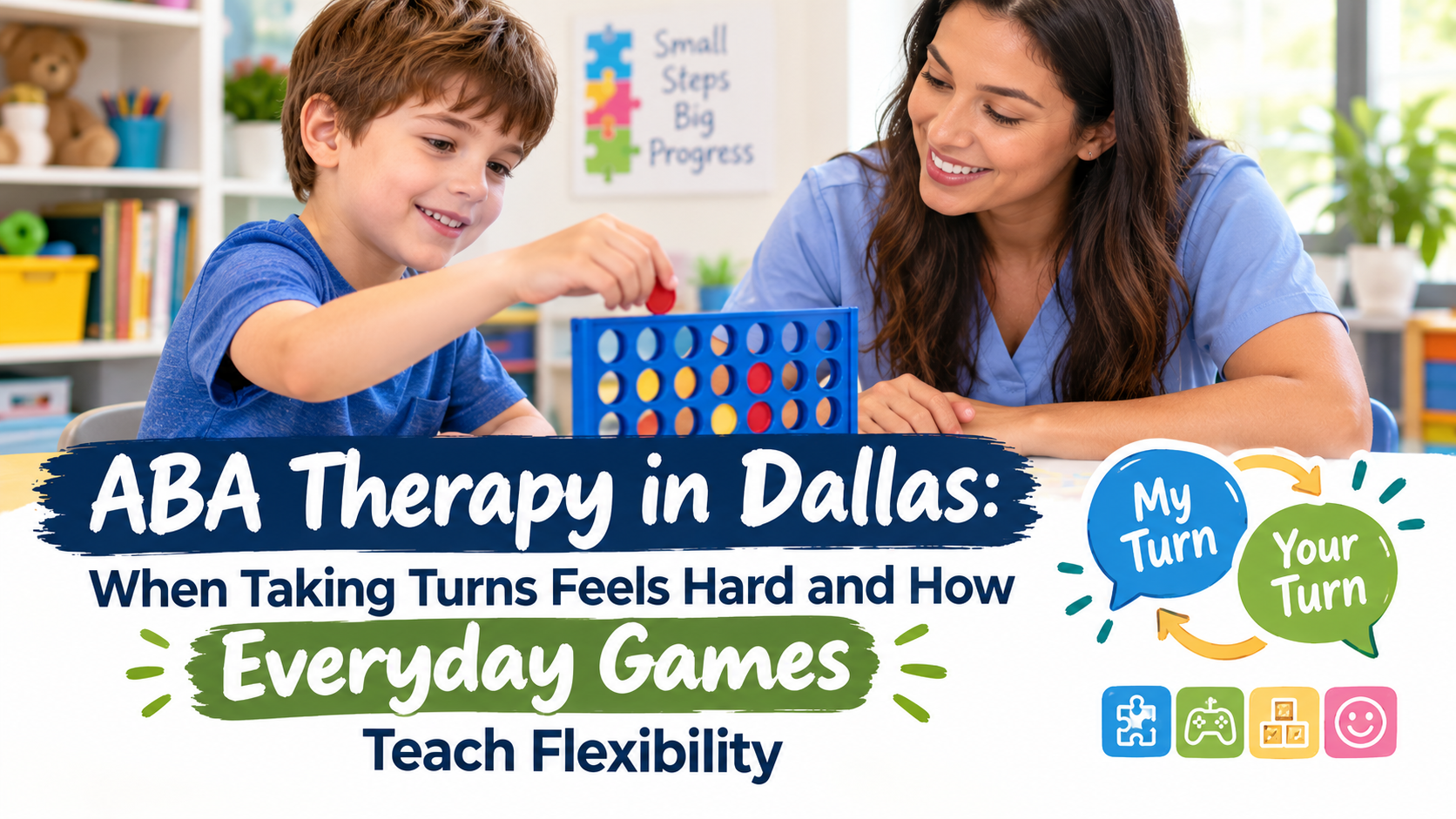
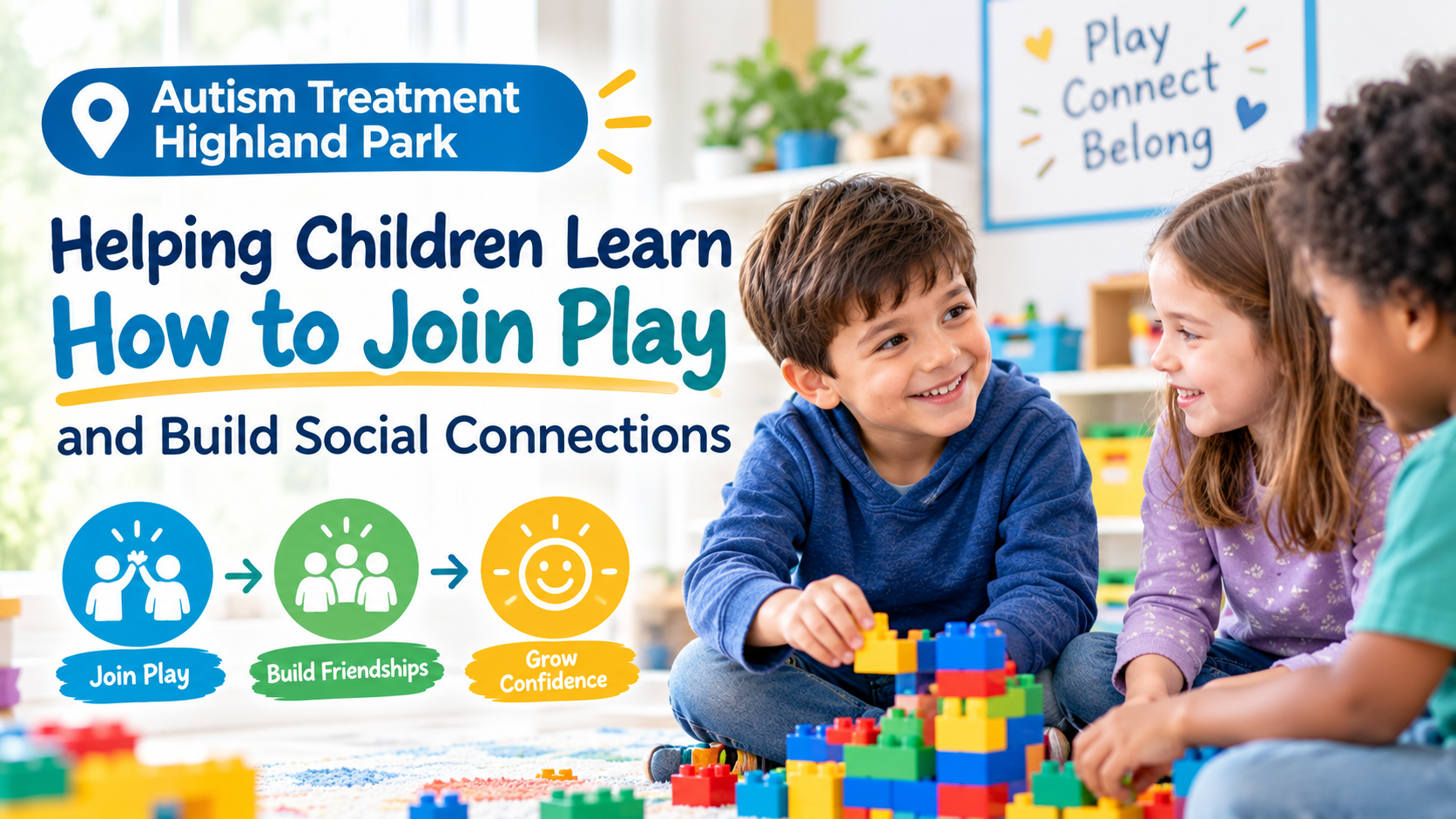
- Building blocks can encourage turn-taking and communication.
- A bedroom becomes the perfect place to work on organizing personal belongings.
- Snack time encourages requesting food items, making choices, and following directions.
- Outdoor play becomes a chance to build social interaction and communication skills.
Children are often more motivated because they are learning through activities they genuinely enjoy. Rather than feeling like work, the session feels engaging and meaningful.
This practical style of teaching is one reason many families looking for behavioral therapy Park Cities appreciate home-based services.
Using Familiar Spaces to Teach Functional Communication
Communication is about much more than answering questions during therapy. Children need ways to express wants, needs, feelings, and preferences throughout the day.
When therapy takes place at home, communication practice happens naturally.
A therapist may encourage a child to ask for help reaching a favorite game on a shelf. They might practice requesting another snack while standing in the kitchen or encourage conversation during a favorite family activity.
Because these situations occur repeatedly, communication becomes useful instead of memorized.
Children begin to recognize that words, gestures, picture communication, or communication devices help them achieve real goals within their own environment.
That consistency makes learning stronger and more meaningful.
Tackling the Toughest Parts of the Day
Every family has routines that feel especially challenging.
Getting dressed.
Brushing teeth.
Putting on shoes.
Cleaning up toys.
Transitioning away from electronics.
Sitting through dinner.
Preparing for bedtime.
These moments can become stressful for both parents and children, particularly when routines involve communication difficulties, sensory needs, or behavioral challenges.
One major strength of Home-Based ABA Therapy is the ability to address these routines exactly where they occur.
Instead of discussing strategies theoretically, therapists work alongside families during the actual routine.
For example, if tooth brushing consistently leads to frustration, the therapist can observe what happens before, during, and after the routine. They can then introduce strategies that make the experience more manageable while helping the child gradually build tolerance and independence.
The same applies to dressing, eating meals, completing chores, or preparing for school.
Since every family has different routines, therapy becomes highly individualized rather than following a one-size-fits-all model.
Family Meals Become Learning Opportunities
Dinner is about much more than eating.
Family meals involve communication, patience, following directions, requesting items, social interaction, and remaining seated for an appropriate amount of time.
For some children, these expectations can feel overwhelming.
During in-home sessions, therapists can help families gradually develop these skills within the child’s normal dining environment.
Rather than practicing sitting at a therapy table that looks nothing like home, children learn expectations at the same dining table they use every day.
These small improvements often create less stressful evenings for everyone involved.
Parents Become Part of the Process
One of the greatest advantages of ABA Parent Training is that parents are active participants rather than passive observers.
During home sessions, caregivers can watch strategies in real time, ask questions, and immediately practice techniques with support from the therapist.
Instead of receiving instructions weeks later, parents learn while the situations are actually happening.
This collaborative approach builds confidence because families begin seeing positive changes through their own interactions with their child.
Many parents report that understanding the “why” behind each strategy makes daily routines feel more manageable and less overwhelming.
Quality parent training for autism empowers families with tools they can continue using long after each therapy session ends.
Why Generalization Matters
Learning a skill once is important.
Using that same skill consistently across different situations is even more valuable.
This process is known as generalization.
Without generalization, a child may demonstrate a skill during therapy but struggle to use it elsewhere.
That is one reason in-home services can be so effective.
When a child learns to request help in their own bedroom, asks for snacks in their own kitchen, or practices getting dressed in their own room, those skills naturally become part of everyday life.
The environment itself supports continued success.
Parents do not need to recreate a therapy setting because the learning already occurred where the child lives.
This practical advantage helps many children maintain progress over time.
Home and Center Services Can Work Together
Families sometimes assume they must choose between Center-Based ABA and in-home services.
In reality, many children benefit from a combination of both.
Structured environments found in center-based autism services can provide opportunities for peer interaction, group learning, and practicing skills in different settings.
Meanwhile, home sessions focus on applying those same skills to everyday family life.
Together, these environments complement one another.
Children practice skills in structured settings while also learning how to use them naturally at home.
Families exploring options with ABA providers 75205 often discover that treatment plans can be personalized based on each child’s unique strengths, goals, and daily routines.
Building Independence One Routine at a Time
Small successes often lead to significant long-term progress.
A child who learns to independently put away shoes today may later organize school materials without assistance.
Learning to request help during playtime may eventually improve classroom communication.
Successfully completing a bedtime routine may reduce stress for the entire household.
These achievements may appear small individually, but together they build greater independence and confidence.
Because therapy occurs where these routines naturally happen, children receive repeated opportunities to practice until the skills become part of everyday life.
Supporting the Whole Family
Effective therapy benefits more than the child.
Parents gain confidence.
Siblings experience smoother routines.
Family activities become more enjoyable.
Stress during transitions often decreases as communication and independence improve.
This broader impact is one reason many families seeking pediatric behavioral health Highland Park appreciate an approach that includes the entire household rather than focusing only on scheduled therapy sessions.
The goal extends beyond teaching isolated skills. It is about creating meaningful improvements that support everyday family life.
Finding the Right Approach for Your Child
Every child learns differently, and every family has unique goals. Some children thrive in structured environments, while others make remarkable progress when learning occurs during familiar routines at home.
The most effective therapy meets children where they are — both developmentally and physically.
For families considering ABA therapy Highland Park, TX, understanding how therapy translates into everyday life can make the decision much clearer.
When learning happens during real routines with familiar people in familiar spaces, children often gain skills they continue using long after each session ends.
That is the lasting value of Home-Based ABA Therapy. Instead of separating therapy from daily life, it turns ordinary moments into opportunities for meaningful growth, stronger communication, greater independence, and lasting success for the entire family.
Contact us at 972–310–4991 or visit https://radiantspectrumtherapy.com/ to learn more.