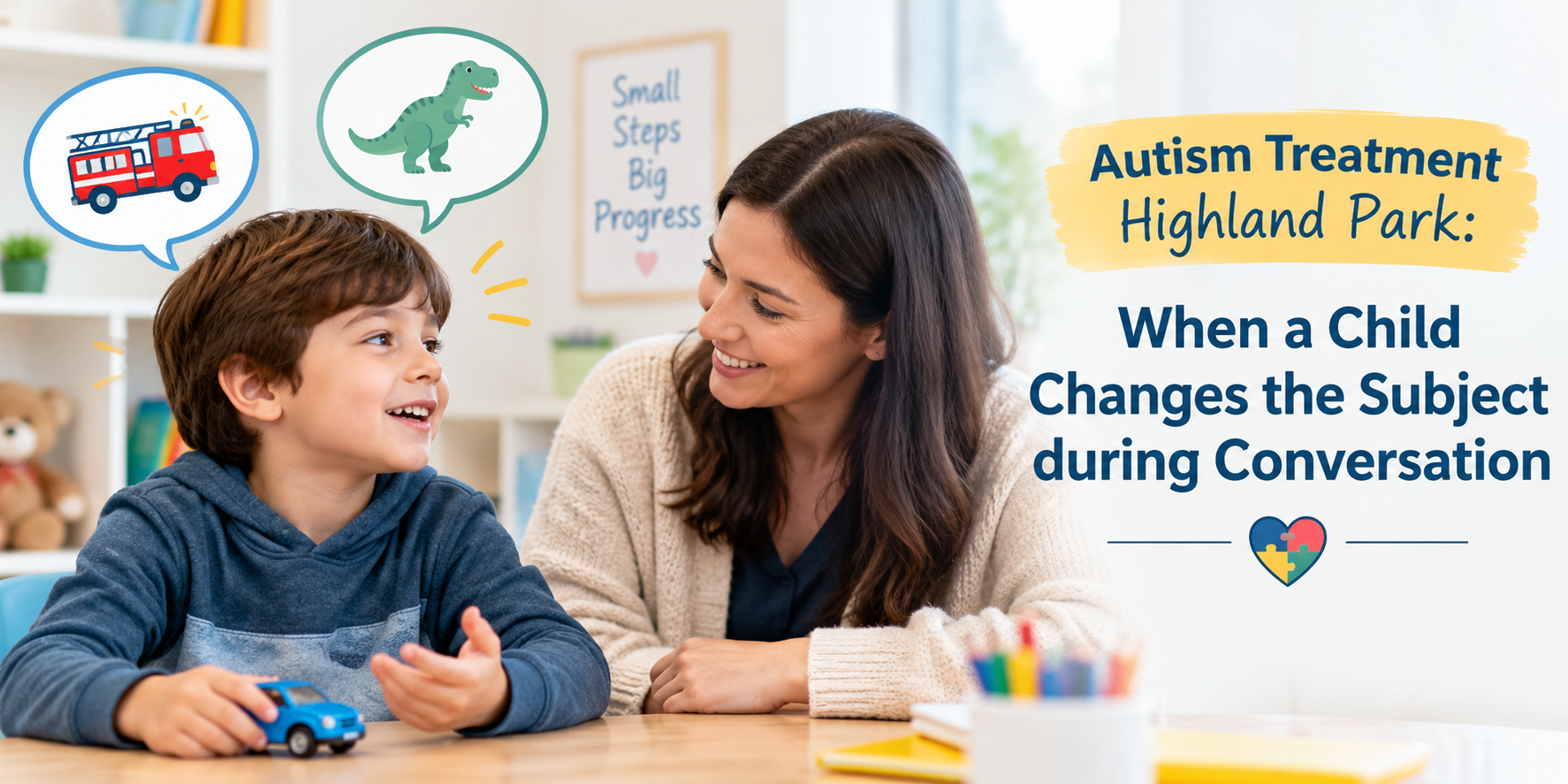
Autism Treatment Highland Park: When a Child Changes the Subject During Conversation
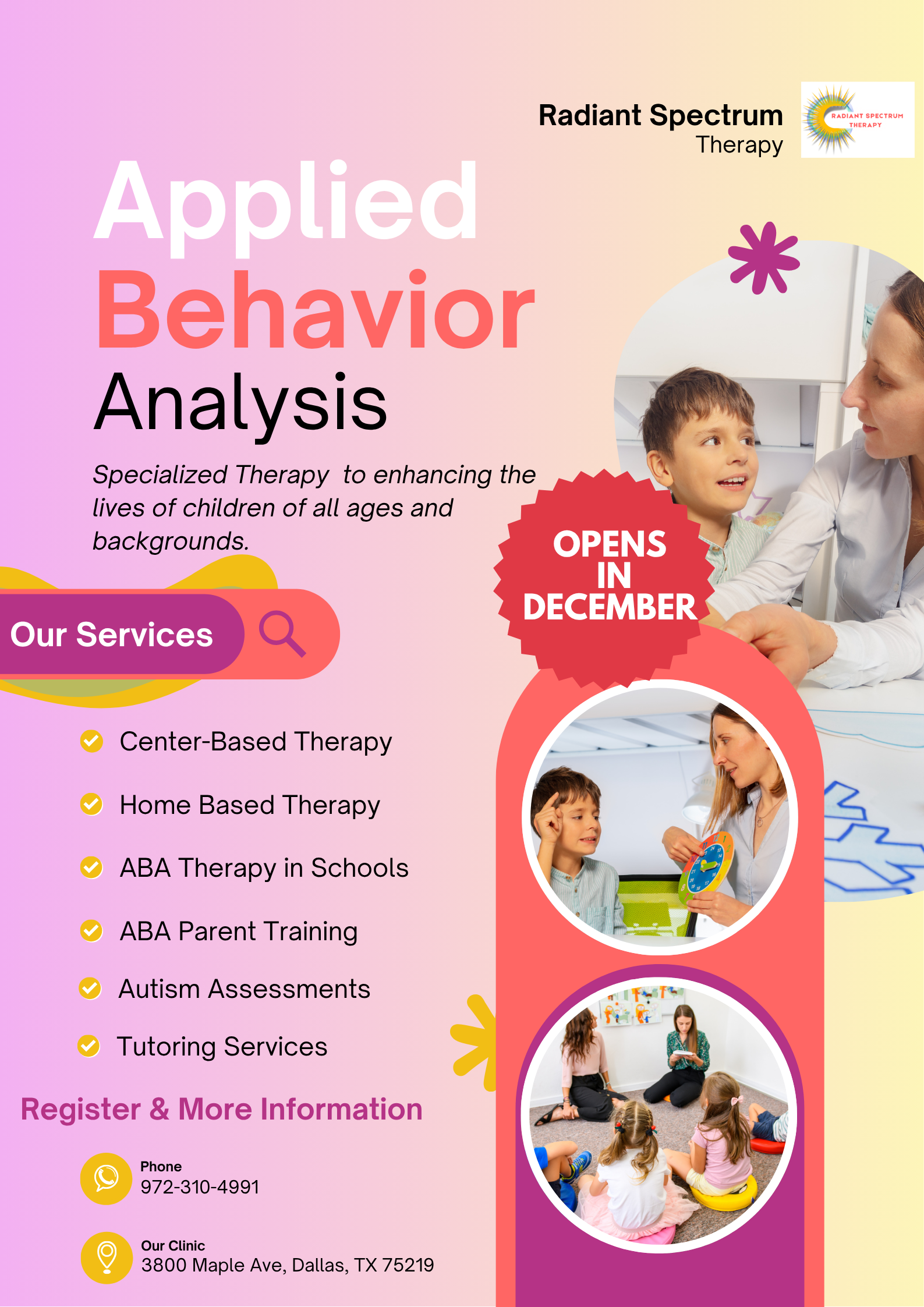

When parents first hear about ABA therapy, one of the most common questions is whether it’s suitable for children across all levels of autism. Autism spectrum disorder (ASD) is just that — a spectrum — meaning that every child has unique strengths, challenges, and developmental needs. Understanding how ABA therapy benefits children with different levels of autism can help families make informed decisions about the right treatment approach.
At Radiant Spectrum Therapy, we believe every child has the potential to thrive with the right support, and ABA therapy is one of the most effective tools available to help them reach their goals.
ABA, or Applied Behavior Analysis, is a therapy that focuses on improving specific behaviors, developing social skills, and promoting independence. It’s highly individualized, meaning it’s tailored to each child’s strengths, needs, and abilities. Through structured interventions, positive reinforcement, and data-driven strategies, ABA therapy helps children develop practical skills that enhance daily life, communication, and social interactions.
While some people think of ABA as only for children with more pronounced challenges, its adaptability makes it effective for all levels of autism — from mild to more significant developmental needs.
Children on the autism spectrum vary widely in their abilities and challenges. Some may have strong verbal skills but struggle with social interactions. Others may have limited speech and require support with daily living tasks. ABA therapy is flexible enough to meet each child where they are. Here’s how:
For children with mild autism, ABA therapy can focus on refining social skills, improving communication, and enhancing independence. Therapy may target skills such as:
Even children who seem to “manage” daily life can benefit from structured ABA sessions that teach coping strategies, reduce anxiety, and foster peer interactions.
Children with moderate autism may require more support in communication, social engagement, and adaptive skills. ABA therapy can help by:
This level of therapy often combines one-on-one sessions with practical skill-building in real-life environments, ensuring that progress is meaningful and transferable to everyday situations.
Even children with severe autism can experience significant improvements through ABA therapy. The focus may be on foundational skills such as:
While progress may be gradual, consistent ABA therapy provides measurable results, helping children gain independence and confidence over time.
Across all levels of autism, ABA therapy offers a wide range of benefits:
By tailoring therapy to each child’s needs, ABA ensures that all levels of autism can benefit — whether the goal is fine-tuning social skills or establishing essential life skills.
At Radiant Spectrum Therapy, we emphasize that no two children are the same. ABA therapy is not a one-size-fits-all solution. Our therapists work closely with families to:
This customized approach ensures that therapy is meaningful, engaging, and effective for every child — whether they have mild, moderate, or severe autism.
ABA therapy isn’t just about the child — it’s also about supporting families. Parents and caregivers play a critical role in reinforcing skills outside of therapy sessions. Radiant Spectrum Therapy provides guidance, training, and resources to families, helping them:
When families and therapists work together, children experience the greatest success.
Do all levels of autism benefit from ABA therapy? Absolutely. While the focus and intensity of therapy may differ based on the child’s needs, the principles of ABA — individualized instruction, positive reinforcement, and skill development — make it effective across the spectrum.
At Radiant Spectrum Therapy, we are committed to providing compassionate, evidence-based ABA therapy that empowers children and supports families. Whether your child is on the milder end of the spectrum or requires more intensive interventions, ABA therapy can help them build essential skills, increase independence, and thrive in everyday life.
Every child has potential. With the right guidance, encouragement, and professional support, they can shine — and ABA therapy is one of the most effective ways to make that happen.