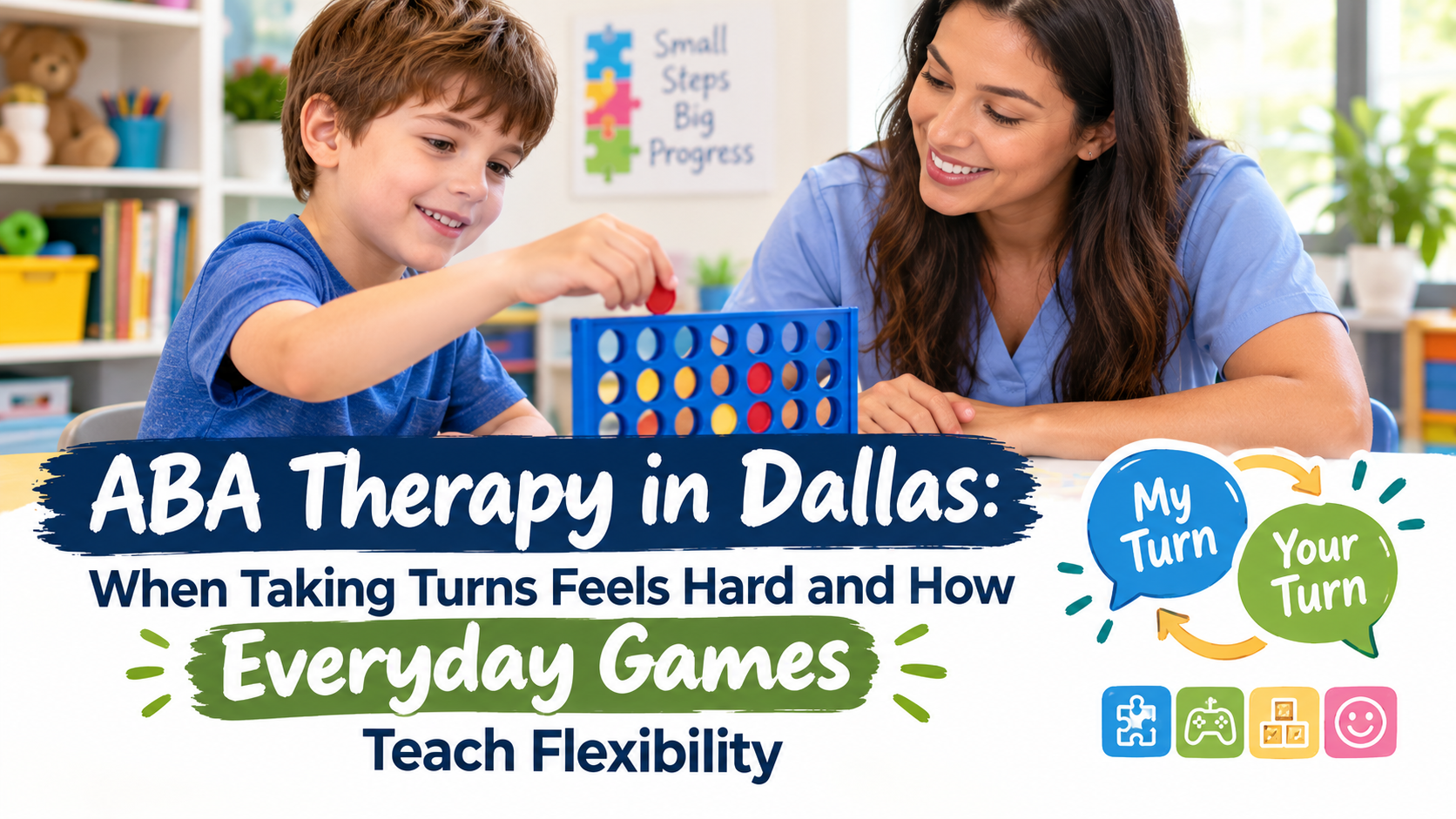


When your child receives therapy at home, the environment plays a bigger role than many parents realize. A well-prepared space allows your child’s therapist to begin working immediately instead of spending valuable session time clearing distractions or searching for materials. The goal isn’t to create a picture-perfect home — it’s to create a functional learning environment where your child feels comfortable and ready to succeed.
Families who participate in Home-Based ABA Therapy often wonder whether they need to renovate a room or purchase expensive equipment before sessions begin. Thankfully, that’s not the case. A few thoughtful adjustments can make a significant difference in how productive each visit becomes.
Whether you’re just getting started with ABA Therapy in Dallas or you’ve already established a routine, these practical tips can help your family make the most of every therapy session.
Why the Home Environment Matters
Children learn best when they can focus on the task in front of them. An organized environment reduces unnecessary distractions and allows therapists to spend more time teaching important skills.
One of the biggest advantages of Home-Based ABA Therapy is that children practice skills where they naturally use them every day. This makes it easier to teach routines like brushing teeth, getting dressed, cleaning up toys, eating meals, and communicating with family members.
Unlike clinic settings, home sessions provide opportunities to practice real-life situations in familiar surroundings. Families receiving ABA therapy Dallas services often notice that skills learned during therapy transfer more naturally into daily routines because they’re practiced in the same environment where they’re needed.
Choose a Consistent Therapy Space
You don’t need an entire therapy room. A quiet corner of the living room, dining area, or spare bedroom often works perfectly.
The ideal therapy space should include:
- Good lighting
- Comfortable seating
- Minimal background noise
- Enough room for movement activities
- Easy access to learning materials
Consistency helps children understand that it’s time to learn. When sessions regularly occur in the same location, transitioning into therapy often becomes easier over time.
Many families receiving in-home ABA therapy Dallas services find that using the same area for every session helps establish a predictable routine that reduces anxiety.
Reduce Distractions Before the Session
Children naturally pay attention to whatever captures their interest. Turning off unnecessary distractions helps keep their focus where it belongs.
Before the therapist arrives, consider:
- Turning off televisions
- Silencing tablets and gaming devices
- Putting away favorite toys unless they’re part of therapy
- Lowering loud music
- Minimizing unnecessary foot traffic through the therapy area
This doesn’t mean eliminating every distraction forever. Instead, you’re creating an environment that supports learning during scheduled therapy time.
Families working with behavioral therapy North Texas providers often notice improved participation simply by making these small adjustments before each appointment.
Organize Learning Materials
Keeping commonly used materials together saves valuable session time.
Consider using one storage bin or shelf for:
- Preferred toys
- Books
- Art supplies
- Flashcards
- Puzzles
- Reinforcement items
- Communication materials
The therapist may bring additional teaching materials, but having household items organized makes transitions smoother throughout the session.
Children also benefit from learning how to help clean up materials after activities, turning organization into another learning opportunity.
Create Safe Movement Areas
Many therapy activities involve movement. Depending on your child’s goals, they may practice jumping, following directions, obstacle courses, or gross motor activities.
Before therapy begins:
- Remove tripping hazards
- Pick up loose cords
- Secure unstable furniture
- Keep walkways clear
- Store breakable decorations out of reach
Safety allows therapists to confidently incorporate movement into learning without unnecessary interruptions.
Families receiving services from Dallas autism specialists frequently discover that a safer environment encourages more active participation and creative teaching opportunities.
Prepare Siblings for Therapy Time
Brothers and sisters are an important part of family life, but they may not fully understand why therapy sessions require additional structure.
Before sessions, explain:
- Therapy is learning time.
- Everyone will have opportunities to play afterward.
- Quiet activities may be helpful during certain parts of the session.
- Sometimes siblings may be invited to participate.
Including siblings when appropriate can help children practice social skills while maintaining a supportive family atmosphere.
Keep Daily Routines Consistent
Children often perform best when daily routines remain predictable.
Whenever possible:
- Schedule meals before or after therapy.
- Avoid major errands immediately beforehand.
- Ensure your child has had enough rest.
- Keep preferred routines consistent.
Consistency allows therapists to focus on teaching rather than helping children recover from unexpected schedule changes.
Families participating in DFW ABA therapy programs frequently report that stable routines improve both engagement and learning.
Make Reinforcement Easily Accessible
Therapists use motivation throughout sessions to encourage learning.
- Favorite snacks
- Small toys
- Stickers
- Music
- Bubbles
- Sensory activities
- Special games
Keeping these items nearby allows the therapist to maintain momentum without lengthy interruptions.
As your child progresses, reinforcement strategies may change to encourage greater independence.
Have Everyday Household Items Available
One advantage of Home-Based ABA Therapy is using real household materials.
Simple items can become valuable teaching tools, including:
- Laundry baskets
- Kitchen utensils
- Clothing
- Toothbrushes
- Food containers
- Towels
- Cleaning supplies (used safely with supervision)
These everyday objects create natural opportunities to practice communication, following directions, requesting help, and completing routines.
Parent Participation Makes a Difference
One of the greatest benefits of ABA Parent Training is learning how to continue teaching outside scheduled therapy sessions.
Parents don’t need to become therapists overnight.
Instead, they gradually learn how to:
- Encourage communication
- Reinforce positive behaviors
- Follow consistent routines
- Respond effectively during challenging moments
- Practice skills during everyday activities
The more consistently strategies are used between sessions, the greater the opportunity for lasting progress.
Many families also benefit from autism parent training Dallas, where they receive individualized coaching that fits their child’s unique needs.
Ask Questions During Sessions
Parents should never feel hesitant to ask questions.
Your therapist wants you to understand:
- Why certain strategies are used
- What goals are being targeted
- How to practice between visits
- Ways to handle difficult situations at home
Open communication strengthens the partnership between parents and therapists.
Whether you’re receiving services through ABA Therapy in Dallas or attending Center-Based ABA, collaboration remains one of the strongest predictors of long-term success.
Don’t Aim for Perfection
Many parents worry that their home isn’t clean enough or organized enough before therapy begins.
Remember that therapists work with real families.
They’re accustomed to seeing:
- Toys on the floor
- Busy households
- Working parents
- Siblings playing
- Everyday family life
The goal isn’t perfection.
The goal is creating a space where learning can happen safely and consistently.
Small improvements over time often produce better results than trying to completely transform your home overnight.
Combine Home and Clinic Learning
Some children benefit from receiving services in multiple environments.
Families sometimes combine Center-Based ABA with Home-Based ABA Therapy, allowing children to practice skills across different settings.
Clinic sessions may provide opportunities for structured peer interaction and specialized teaching environments, while home sessions focus on daily routines and family participation.
Many Dallas ABA centers work closely with families to ensure consistency between home and clinic goals.
Choosing the Right Support Team
Finding experienced professionals is one of the most important decisions families make.
Parents searching for ABA therapy providers 75201 often look for providers who value communication, individualized treatment, and family involvement.
Quality providers understand that no two children learn exactly alike.
Personalized goals, ongoing parent collaboration, and consistent progress monitoring help ensure therapy continues to meet each child’s changing needs.
Families throughout autism services Dallas TX communities increasingly seek providers who emphasize practical skills that improve daily life at home, school, and in the community.
Final Thoughts
Preparing your home for therapy doesn’t require expensive equipment or a complete home makeover. A quiet learning space, organized materials, reduced distractions, and consistent routines create an environment where children can focus on building meaningful skills.
When families actively participate, communicate openly with therapists, and reinforce learning throughout the week, children have more opportunities to practice new abilities in everyday situations.
Whether your family is beginning ABA Therapy in Dallas, exploring Home-Based ABA Therapy, participating in ABA Parent Training, or working with trusted pediatric behavioral therapy Dallas professionals, thoughtful preparation helps every therapy session begin with confidence. By partnering with experienced Dallas autism specialists and maintaining consistency at home, families can maximize the benefits of DFW ABA therapy while supporting meaningful progress that extends far beyond each scheduled visit.
Contact us at 972–310–4991 or visit https://radiantspectrumtherapy.com/ to learn more.