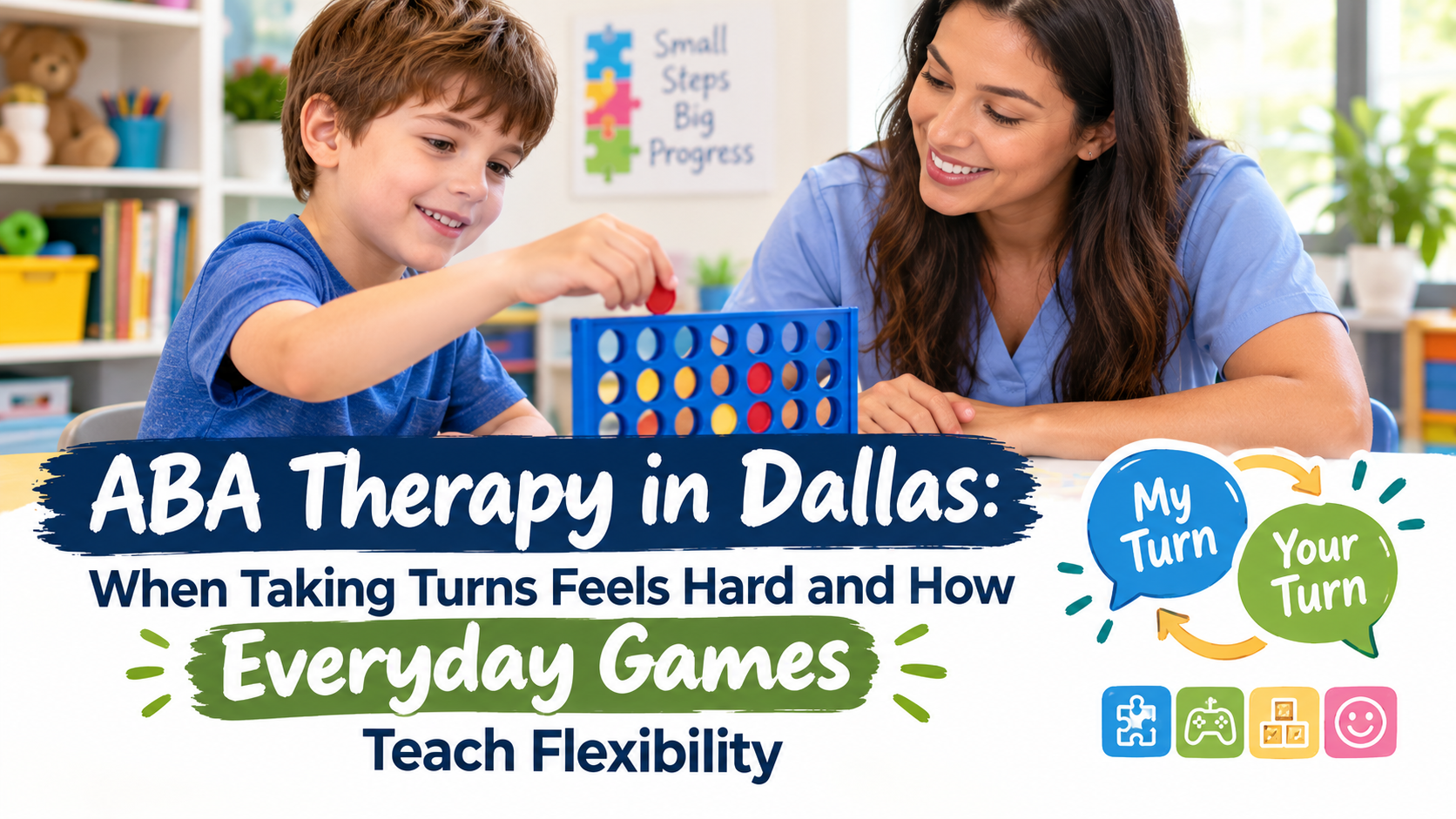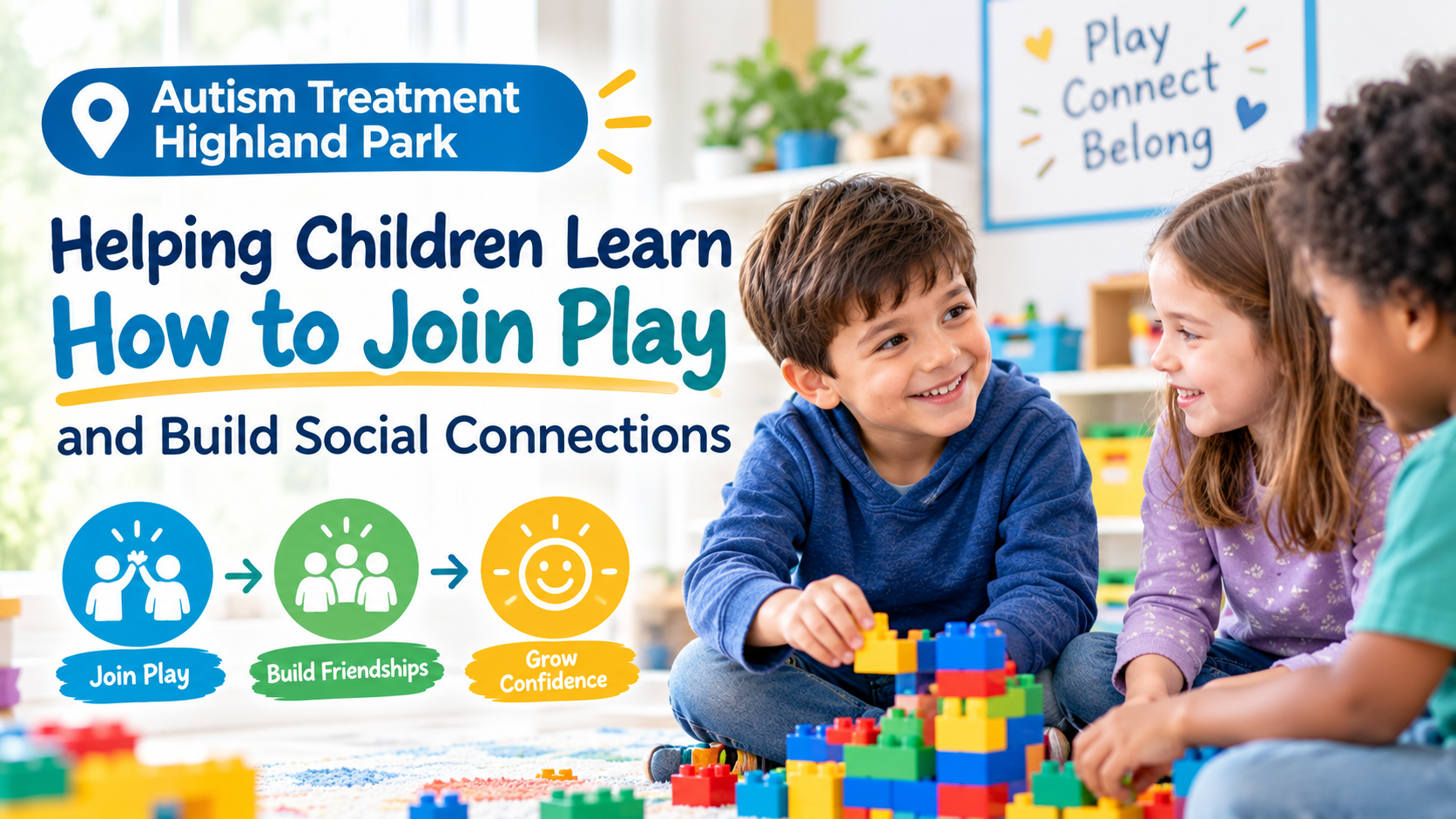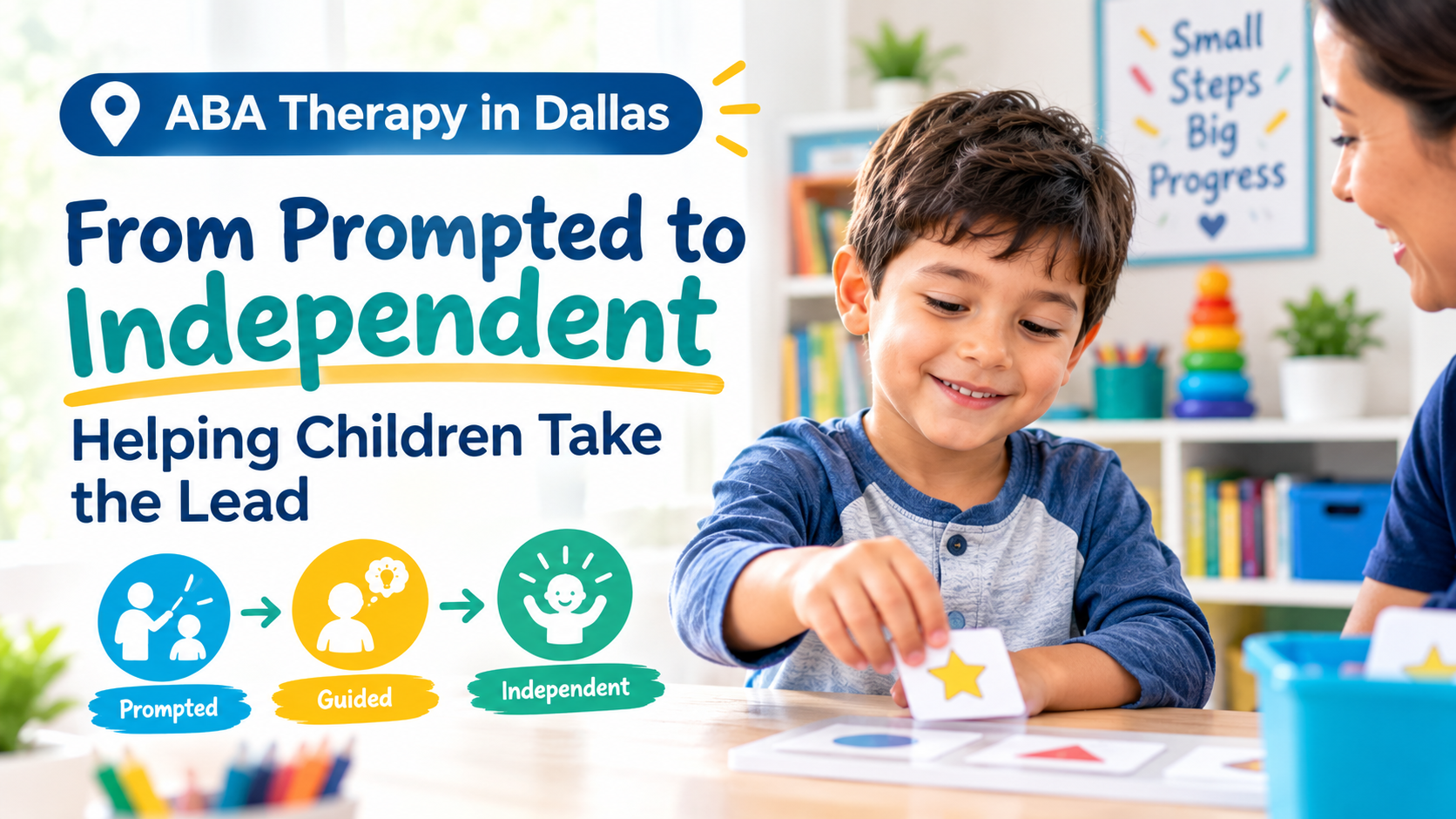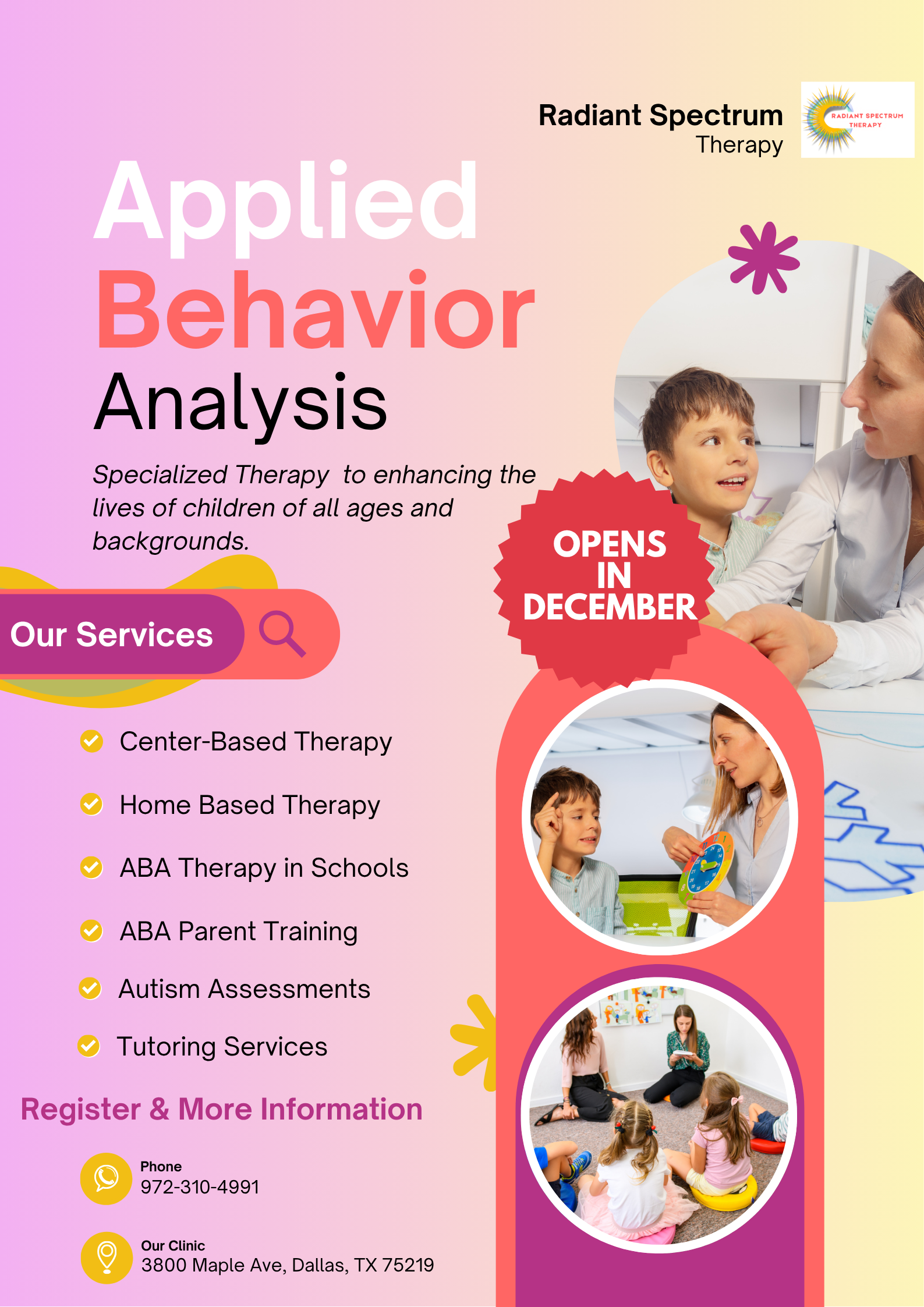

When families begin searching for autism services, they often focus on finding experienced clinicians, effective treatment plans, and a caring environment. While all of those things matter, one of the most important factors in long-term success is something many parents have never heard of before starting therapy: generalization.
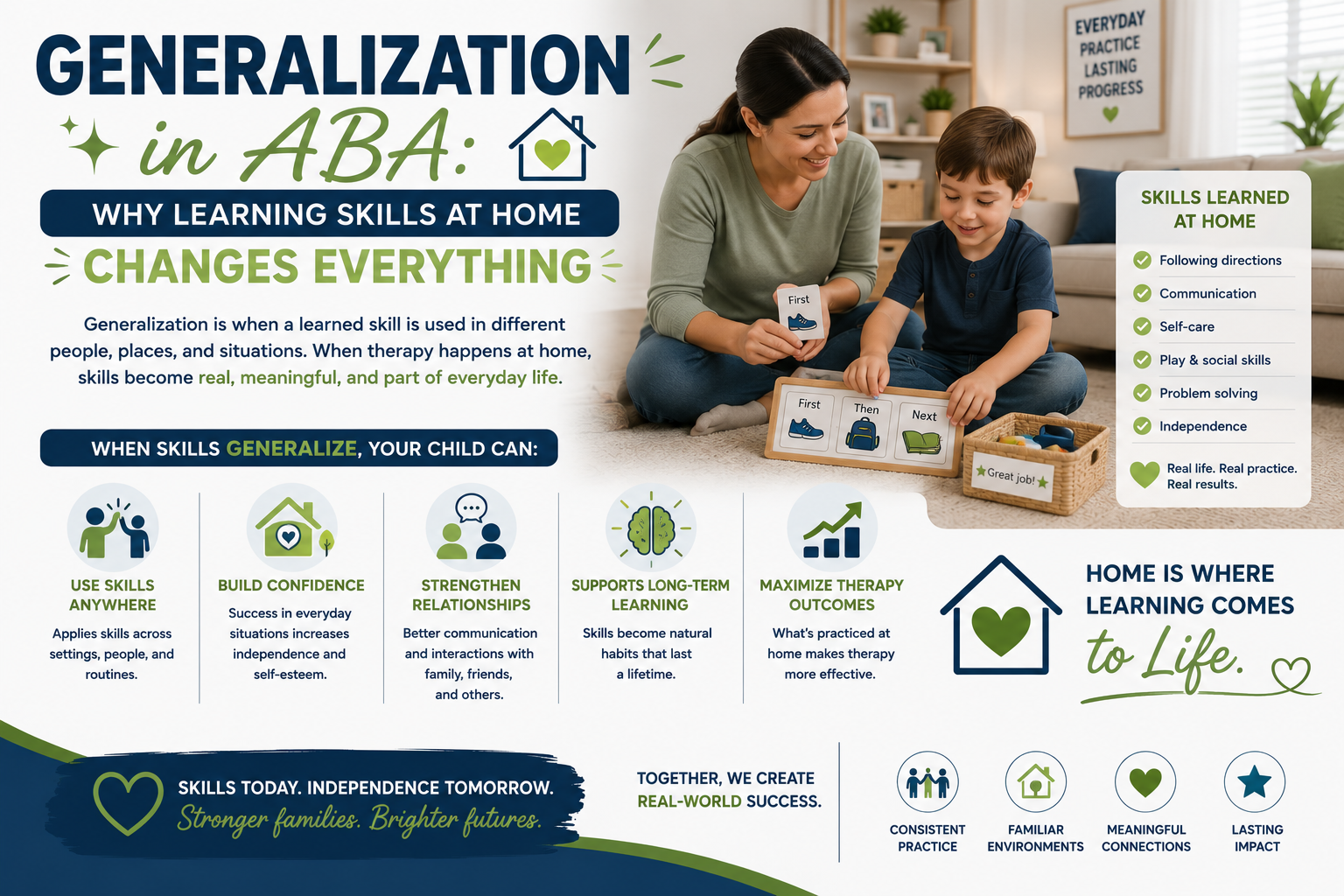
Generalization is the ability to take a skill learned during therapy and use it naturally in everyday situations. A child may learn to ask for help during a therapy session, but can they ask for help at the dinner table? Can they communicate the same need at the grocery store, during playtime with siblings, or while getting ready for school?
That difference is what separates learning a skill from truly living it.
Families exploring Autism Treatment Highland Park often compare different therapy models before making a decision. While many children benefit from structured clinical environments, Home-Based ABA Therapy offers a unique advantage by teaching and reinforcing skills in the place where children spend most of their time. Learning within the home creates opportunities for real-world practice that can have a lasting impact on a child’s independence and confidence.
Understanding Generalization
Generalization simply means using learned skills across different people, places, and situations.
Imagine a child learns to wash their hands correctly during therapy. The goal isn’t just to complete the task with a therapist nearby. The real goal is for the child to remember each step before dinner, after playing outside, at a grandparent’s house, and eventually at school.
The same principle applies to communication, emotional regulation, social interaction, safety skills, and daily routines.
Without generalization, progress can remain limited to therapy sessions. A child may perform exceptionally well during structured activities but struggle when those same expectations appear in everyday life.
That is why experienced providers place such a strong emphasis on helping children apply their skills naturally beyond scheduled therapy time.
Why the Home Environment Makes Such a Difference
Every home is different.
Families have unique routines, different schedules, different expectations, and different challenges. Teaching skills within those familiar surroundings allows therapy to address situations exactly as they happen.
A therapist can work alongside the family during:
- Morning routines
- Meal preparation
- Homework time
- Bedtime routines
- Play with siblings
- Household responsibilities
- Family outings
These moments become valuable learning opportunities because they occur naturally instead of being recreated in an artificial setting.
Children are often more comfortable in familiar surroundings, making it easier to practice new behaviors without the added stress of adjusting to an unfamiliar environment.
This is one of the primary reasons many families choose Home-Based ABA Therapy when seeking personalized care.
Everyday Routines Become Everyday Lessons
One of the greatest strengths of in-home services is that learning doesn’t happen only at a therapy table.
Instead, therapy becomes part of daily life.
For example, a child learning communication skills can practice requesting breakfast items during the morning routine instead of using flashcards alone.
A child working on transitions can practice moving from playtime to homework naturally instead of only rehearsing transitions during clinic activities.
Children learning self-help skills can work on:
- Brushing teeth
- Getting dressed
- Cleaning up toys
- Organizing backpacks
- Following household directions
- Completing bedtime routines
Because these situations happen every day, children receive frequent opportunities to practice the same skills repeatedly in meaningful ways.
This consistency often supports stronger long-term retention.
Parents Become Part of the Learning Process
Therapy doesn’t end when the therapist leaves.
One of the biggest advantages of ABA Parent Training is helping caregivers understand how to reinforce learning throughout the day.
Parents spend far more time with their children than therapists ever will.
When caregivers understand why behaviors occur and how to respond consistently, children receive ongoing support between therapy sessions.
During ABA Parent Training, families often learn how to:
- Encourage positive behaviors
- Respond consistently to challenging behaviors
- Reinforce communication attempts
- Support independence
- Build predictable routines
- Increase confidence during daily activities
Rather than observing from the sidelines, parents become active participants in their child’s growth.
Over time, this collaborative approach helps children receive consistent guidance from everyone involved in their care.
Learning Across Different People
Generalization isn’t only about places.
Children also need to use their skills with different people.
A child who communicates effectively with one therapist should also feel comfortable communicating with:
- Parents
- Grandparents
- Siblings
- Friends
- Teachers
- Babysitters
- Community members
Because therapy occurs in the home, therapists can often involve family members during sessions.
This creates opportunities for children to practice communication, cooperation, and problem-solving with the people they interact with every day.
These experiences often make learning feel more natural and sustainable.
Comparing Home and Clinic Settings
Many families researching Center-Based ABA wonder whether home or clinic services are the better option.
The truth is that every child is unique, and treatment recommendations should always reflect individual goals.
Clinic settings can offer structured environments, peer interactions, and specialized resources that support many learners.
However, Home-Based ABA Therapy provides something equally valuable: direct practice within real-life situations.
Instead of practicing pretend scenarios, children experience the situations they encounter every day.
For example:
Rather than pretending to clean a bedroom, they clean their own bedroom.
Rather than practicing sharing with unfamiliar toys, they share their favorite toys with siblings.
Rather than rehearsing bedtime routines, they complete their own bedtime routine with guidance.
These practical experiences often make learning easier to remember because they occur in familiar contexts.
Families comparing Center-Based ABA with in-home services frequently appreciate how naturally home sessions fit into daily family life.
Building Independence One Routine at a Time
Independence is often one of the biggest long-term goals of behavioral intervention.
Children who gradually learn to complete daily tasks with less assistance gain confidence that extends into many areas of life.
Skills that may be addressed include:
- Completing household routines
- Following directions
- Making simple choices
- Communicating wants and needs
- Managing transitions
- Waiting appropriately
- Participating in family activities
Each successful experience builds momentum.
Instead of relying on prompts indefinitely, children begin completing routines more independently because they have practiced them repeatedly in their natural environment.
Families searching for ABA therapy Highland Park, TX often prioritize programs that focus not only on learning new skills but also on helping children use those skills independently at home.
Reducing Family Stress
Therapy should improve family life — not create additional stress.
When learning happens inside the home, many families find scheduling easier because travel time is reduced.
Parents also gain the opportunity to observe therapy directly instead of relying solely on session summaries.
Seeing strategies in action makes it easier to continue them after sessions end.
Children benefit from greater consistency, while caregivers often feel more confident supporting progress throughout the week.
For families balancing work, school schedules, and other responsibilities, this collaborative model can feel more practical and manageable.
Supporting the Whole Family
Autism affects the entire household.
Successful treatment recognizes that progress involves more than one child — it involves parents, siblings, grandparents, and everyone who contributes to daily routines.
Therapists working within the home can observe family interactions as they naturally occur and offer practical recommendations that fit each family’s lifestyle.
Instead of generic advice, guidance can be tailored to the family’s routines, expectations, and goals.
This personalized support often strengthens relationships while helping everyone work together toward shared outcomes.
Families seeking behavioral therapy Park Cities frequently appreciate treatment plans that acknowledge the unique dynamics of each household.
Preparing Children for Real Life
Ultimately, therapy is about preparing children for life beyond scheduled sessions.
Success isn’t measured only by what happens during therapy.
It is measured by what happens afterward.
Can a child communicate their needs during dinner?
Can they transition calmly before school?
Can they participate in family outings with greater confidence?
Can they use coping strategies when routines change?
Can they complete everyday tasks with increasing independence?
These are the moments that matter most.
Generalization bridges the gap between learning and living.
Choosing a Personalized Approach
Every child deserves therapy designed around their individual strengths, challenges, and goals.
Families exploring Autism Treatment Highland Park may consider several options, including center-based autism services, clinic programs, or Home-Based ABA Therapy. The right choice depends on each child’s needs, family priorities, and clinical recommendations.
Many families appreciate an approach that combines evidence-based treatment with active caregiver involvement through ABA Parent Training, allowing skills to extend well beyond therapy sessions.
Whether families are searching for ABA providers 75205, researching pediatric behavioral health Highland Park, or comparing options with a local ABA clinic Texas, one principle remains the same: meaningful progress happens when children can use their skills confidently in everyday life.
Generalization transforms therapy from isolated lessons into lifelong abilities. By practicing communication, independence, problem-solving, and daily routines in familiar surroundings, children gain opportunities to succeed where those skills matter most. When learning carries over into home life, family routines, and community experiences, therapy becomes more than a scheduled appointment — it becomes a foundation for lasting growth, greater independence, and a brighter future.
Contact us at 972–310–4991 or visit https://radiantspectrumtherapy.com/ to learn more.