
Starting therapy at home can feel exciting and overwhelming at the same time. Parents often wonder whether they need expensive equipment, a dedicated therapy room, or a complete home makeover before services begin. The good news is that none of those things are necessary.
One of the biggest advantages of Home-Based ABA Therapy is that children learn in the environment where they naturally spend most of their time. Daily routines, familiar surroundings, and family interactions become valuable learning opportunities. Instead of creating a picture-perfect therapy room, the goal is to build a space that supports learning while still feeling like home.
Families exploring ABA Therapy in Dallas frequently ask how to prepare before the first session. While every child has unique needs, there are several affordable steps that can make a significant difference. With a little planning, your home can become an environment that encourages focus, minimizes distractions, and helps therapy sessions run more smoothly.
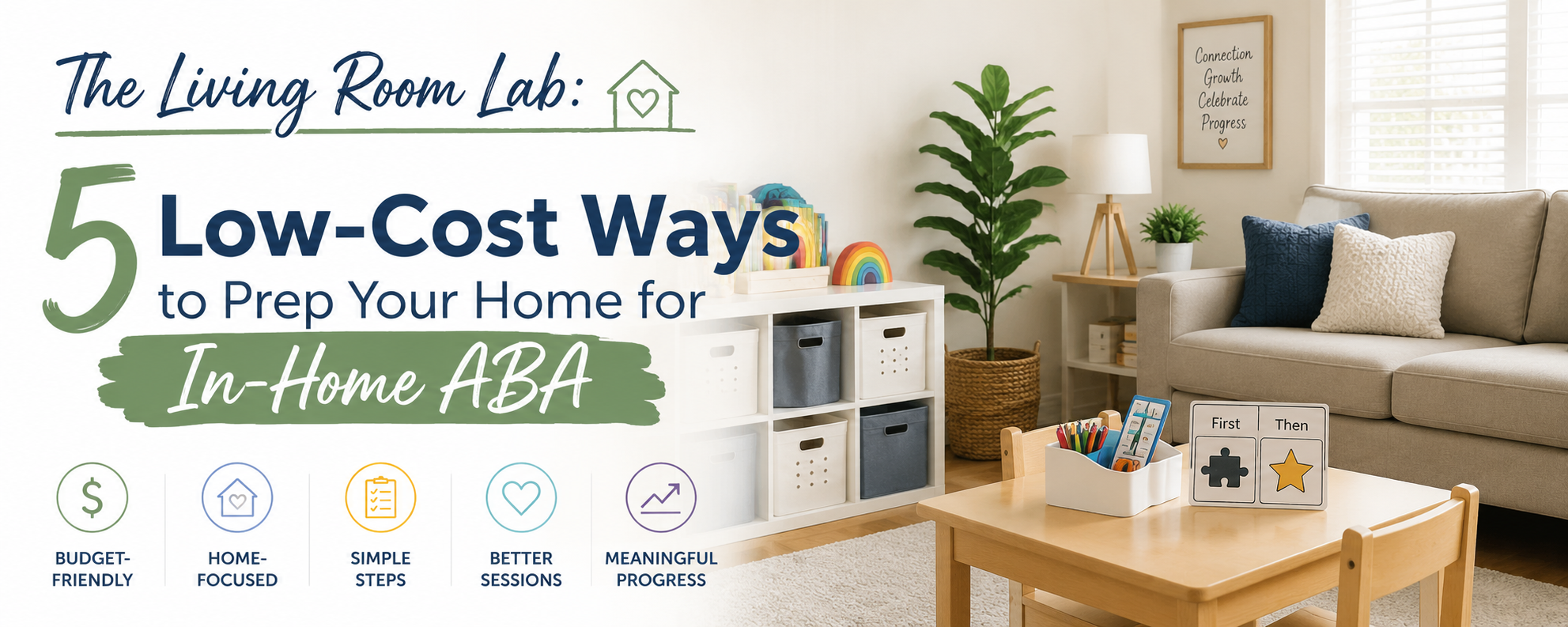
Here are five practical, budget-friendly ways to prepare your home.
1. Choose One Consistent Learning Space
Many parents assume that therapy requires an entire room dedicated exclusively to treatment. In reality, consistency matters far more than size.
A small corner of your living room, dining room, playroom, or even a quiet bedroom can work beautifully. The objective is to create a predictable location where your child begins to associate the area with learning and positive experiences.
When selecting your therapy space, consider these factors:
- Good lighting
- Comfortable seating
- Minimal background noise
- Limited foot traffic
- Enough floor space for movement-based activities
Televisions, tablets, and loud music should be turned off during sessions whenever possible. Even small distractions can interrupt attention, particularly during new skill acquisition.
Remember that therapists providing in-home ABA therapy Dallas services are trained to work within real homes — not perfect ones. They understand family life and can adapt to your available space. Your goal isn’t perfection. It’s creating a comfortable environment where learning can happen naturally.
2. Create a Reinforcer Bin That Keeps Motivation High
One of the most effective tools during therapy is something many families already own: favorite toys.
In behavioral therapy, preferred items are often used as reinforcers. They help motivate children to participate, practice skills, and celebrate success. However, if favorite toys are available all day long, they may lose some of their motivational value.
Creating a dedicated “reinforcer bin” is both inexpensive and highly effective.
Choose a plastic storage container or basket and fill it with a variety of highly preferred items. Examples might include:
- Small sensory toys
- Favorite figurines
- Bubbles
- Toy cars
- Building blocks
- Mini puzzles
- Fidget items
- Stickers
- Art supplies
- Musical toys
Instead of leaving these items accessible throughout the day, reserve many of them primarily for therapy sessions. Rotating items every few days also helps maintain interest.
Your therapist will likely identify which items your child enjoys most and show you how to use them effectively during learning opportunities. This approach is commonly incorporated into ABA Parent Training, allowing families to continue encouraging progress between scheduled sessions.
The best reinforcer bin doesn’t have to be expensive. Often, children are motivated by simple toys they haven’t seen for a few days.
3. Reduce Distractions Without Eliminating Everyday Life
It’s impossible — and unnecessary — to create complete silence inside a family home.
Children learn best when therapy reflects real life. Still, reducing unnecessary distractions allows sessions to remain productive.
Before each appointment, consider simple adjustments such as:
- Turning off the television.
- Silencing unnecessary phone notifications.
- Putting away unrelated toys.
- Asking siblings to play in another room for part of the session if appropriate.
- Keeping pets occupied during structured teaching times.
These small changes can help children maintain attention while allowing therapists to focus on teaching new skills.
At the same time, everyday household sounds shouldn’t be viewed as obstacles. Part of behavioral therapy North Texas often includes helping children learn to function successfully within normal family environments.
As therapy progresses, therapists may intentionally incorporate natural distractions so children can practice maintaining focus in everyday situations.
4. Organize Materials Before Sessions Begin
Preparation doesn’t require purchasing specialized therapy equipment.
Instead, spend a few minutes gathering common household materials before your appointment.
Depending on your child’s goals, useful items might include:
- Crayons
- Paper
- Books
- Building toys
- Flashcards
- Plastic cups
- Measuring spoons
- Household containers
- Stuffed animals
- Everyday kitchen items
Many teaching opportunities happen during ordinary activities.
For example:
Sorting laundry can teach matching.
Preparing snacks can build communication.
Cleaning up toys encourages following directions.
Playing simple games helps develop social interaction.
Therapists delivering Home-Based ABA Therapy often use familiar household objects because children are more likely to generalize newly learned skills into everyday routines.
Keeping these materials organized in one container saves valuable session time and allows everyone to begin working immediately.
5. Prepare the Entire Family for Success
One of the greatest strengths of home-based services is family involvement.
Children spend far more time with parents, siblings, and caregivers than they do with therapists. Everyone plays an important role in supporting progress.
Before therapy begins, it helps to discuss expectations with the household.
Explain:
- When therapy sessions will occur.
- Which areas of the home will be used.
- How family members can minimize interruptions.
- When siblings may be invited to participate.
Young siblings often become excellent practice partners during social learning activities. Other times, they may simply need a quiet activity in another room.
Many providers offering ABA Parent Training encourage caregivers to observe sessions, ask questions, and practice strategies alongside therapists. This collaborative approach helps children experience consistency throughout the day instead of only during scheduled appointments.
Open communication between parents and therapists often leads to smoother sessions and greater long-term success.
Why Everyday Routines Matter
Some families picture therapy as sitting at a table completing worksheets for hours.
Modern ABA looks very different.
Therapy often happens during activities your family already enjoys.
Playing with toys.
Reading books.
Preparing meals.
Cleaning bedrooms.
Getting dressed.
Brushing teeth.
Family game night.
Going outside.
These real-life moments create valuable teaching opportunities that help children develop functional communication, independence, and social skills.
Professionals providing ABA therapy Dallas services frequently incorporate naturally occurring situations because they prepare children to use new skills outside structured learning environments.
Your home doesn’t need to resemble a classroom. In many ways, its familiarity is exactly what makes learning meaningful.
Flexibility Is More Important Than Perfection
Every family has busy days.
Schedules change.
Visitors stop by.
Siblings become noisy.
Children have difficult mornings.
All of these situations are normal.
Therapists understand that home environments are dynamic. Rather than expecting everything to be perfect, they adjust teaching strategies based on what is happening in the moment.
Families receiving autism services Dallas TX often discover that flexibility becomes one of the greatest strengths of home-based care. Children practice coping with real-life situations while learning skills that transfer directly into daily routines.
The most successful therapy environment isn’t the quietest house or the fanciest playroom.
It’s a home where caregivers, therapists, and children work together consistently.
Combining Home Learning With Other Therapy Options
While many children benefit from Home-Based ABA Therapy, some families also explore Center-Based ABA depending on their child’s goals and schedule.
Each environment offers unique opportunities.
Home sessions allow therapists to address routines like mealtime, bedtime, hygiene, and family interactions in real settings.
Center environments may provide opportunities for structured peer interaction, group activities, and different learning experiences.
Many families discussing treatment options with Dallas autism specialists find that recommendations are individualized based on each child’s strengths, needs, and developmental goals.
There is no one-size-fits-all solution. The best plan is the one that supports meaningful progress for your child and family.
Finding the Right Support
Preparing your home is only one part of the journey.
Choosing experienced professionals who understand your child’s unique strengths is equally important.
Families researching DFW ABA therapy often compare providers based on communication, family involvement, scheduling flexibility, and individualized treatment planning.
Whether you’re searching for Dallas ABA centers, looking for ABA therapy providers 75201, or exploring pediatric behavioral therapy Dallas, remember that successful therapy begins with collaboration between families and clinicians.
The physical space doesn’t need to be elaborate.
A quiet corner.
A small basket of favorite toys.
A few organized materials.
An open line of communication.
Those simple steps create a welcoming environment where children can build confidence, develop new skills, and enjoy positive learning experiences.
Final Thoughts
Preparing your home for therapy doesn’t require expensive furniture or specialized equipment. In fact, some of the most effective therapy environments are built with simple household items and thoughtful organization.
By creating a consistent learning space, organizing motivating reinforcers, minimizing distractions, gathering everyday materials, and involving the entire family, you help set the stage for productive and enjoyable sessions.
Families beginning ABA Therapy in Dallas often discover that these small preparations make everyone feel more confident before therapy starts. Most importantly, they allow children to focus on learning in the place where they feel safest — their own home.
As your child grows and develops, your therapy space will naturally evolve as well. What matters most isn’t having the perfect room; it’s creating an environment where learning feels encouraging, engaging, and part of everyday family life.
Contact us at 972–310–4991 or visit https://radiantspectrumtherapy.com/ to learn more.