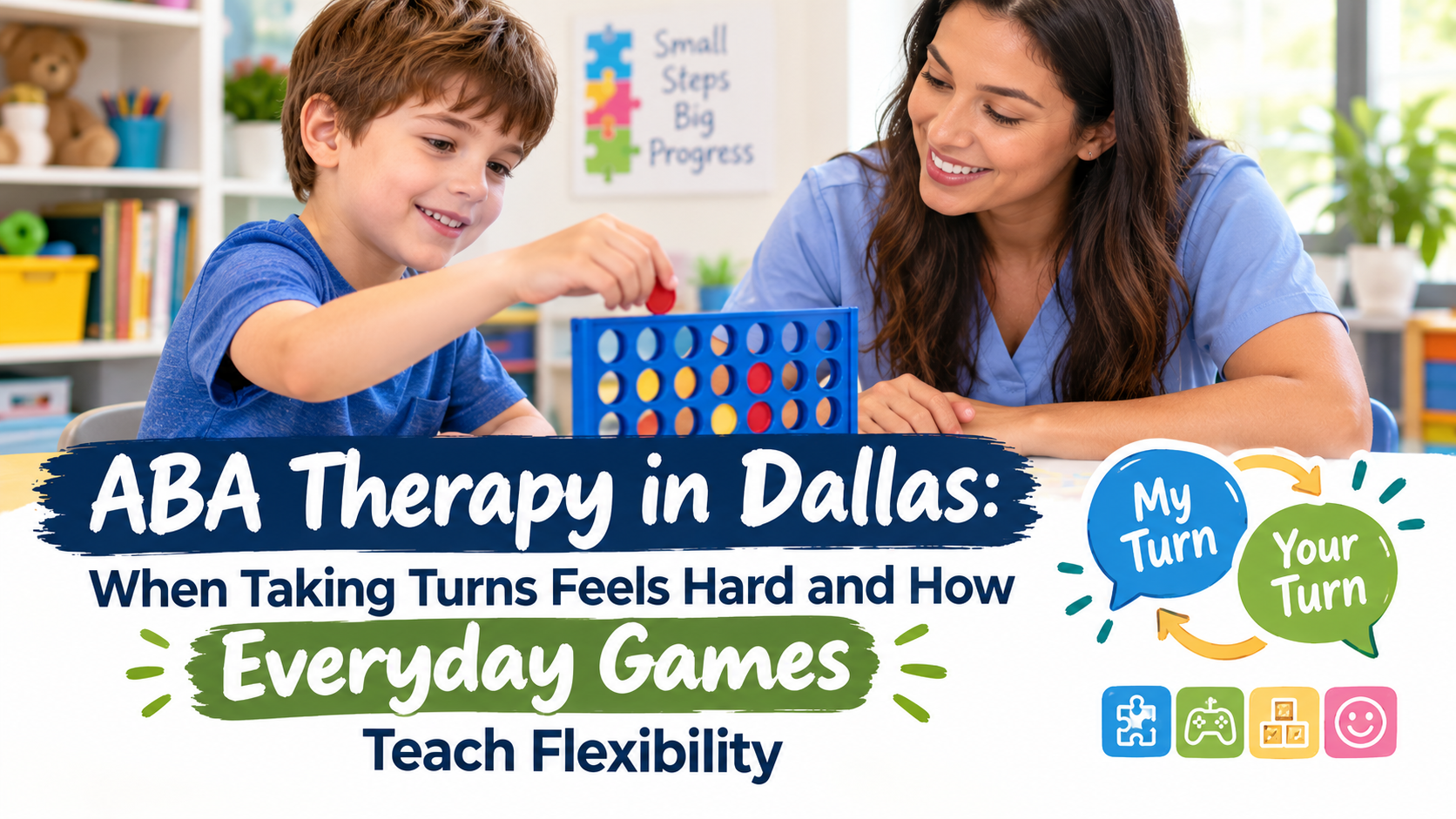

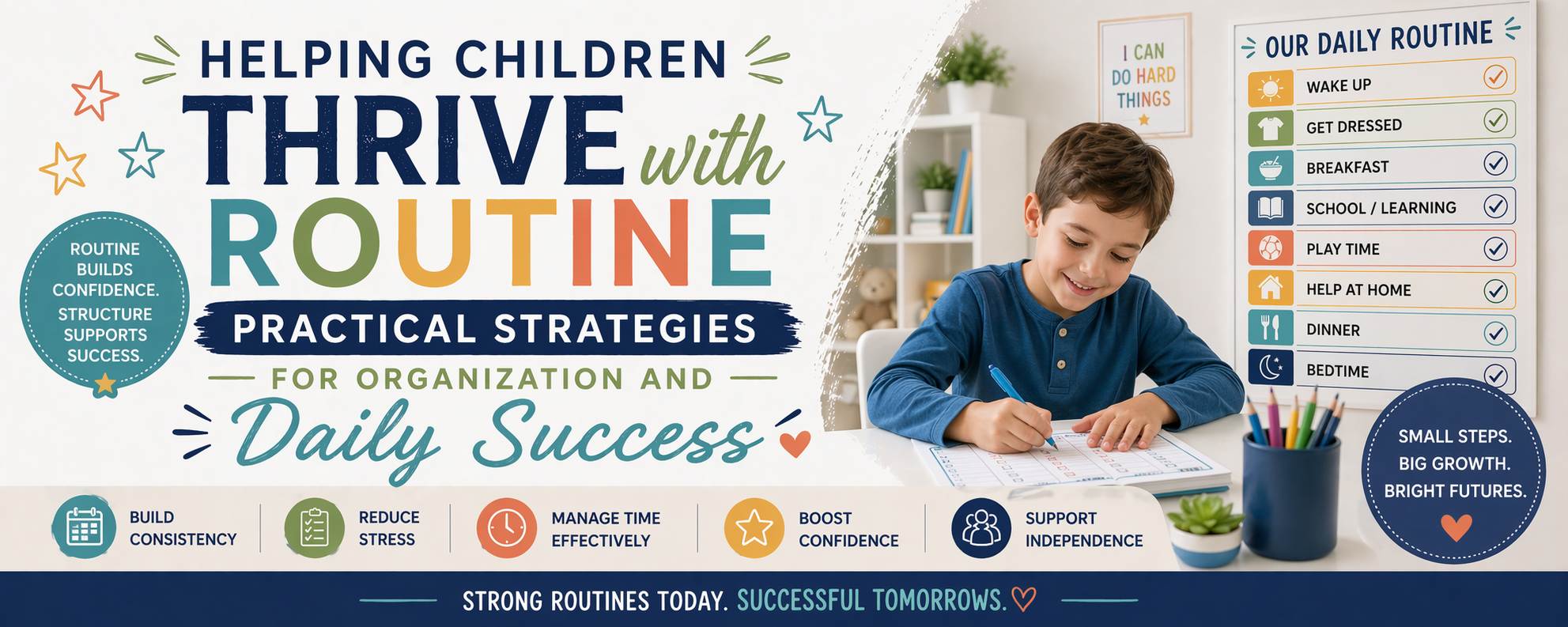
For many children, structure and routine provide a sense of comfort and predictability. But for children who need additional behavioral support, having a consistent schedule isn’t just helpful — it’s essential. Families seeking ABA therapy Dallas services often discover that one of the most powerful tools for progress is a well-established daily routine paired with strategies that make organization easier and more engaging.
At Radiant Spectrum Therapy, we understand that every child is unique. What works for one may not work for another, which is why building personalized routines — whether through Center-Based ABA, Home-Based ABA Therapy, or in-home ABA therapy Dallas programs — is key to long-term success. Let’s take a closer look at how routines can support children and explore practical, real-life ways to keep them organized and on schedule.
Why Routine Matters More Than You Think
Children thrive when they know what to expect. Predictability reduces anxiety, improves focus, and helps build independence over time. This is especially true for families working with Dallas autism specialists or participating in DFW ABA therapy programs, where consistency is a foundational principle.
A structured routine helps children:
- Transition more smoothly between activities
- Reduce frustration and emotional outbursts
- Build confidence in completing tasks independently
- Strengthen time management skills
Parents involved in ABA Parent Training often report that once a routine is established, daily life becomes less stressful — not just for the child, but for the entire family.
Building a Routine That Actually Works
Creating a schedule isn’t about filling every minute of the day. It’s about designing a flow that feels natural and achievable. Many families working with autism services Dallas TX begin with small steps and build from there.
Start with the Basics
Focus on key parts of the day:
- Morning routine
- After-school or therapy time
- Evening wind-down
Children receiving pediatric behavioral therapy Dallas services often benefit from visual and predictable transitions during these times.
Keep It Consistent (But Flexible)
Consistency builds trust. However, flexibility is just as important. Life happens — appointments, family events, or unexpected changes. The goal is to maintain structure without making the routine feel rigid.
Creative Ways to Keep Children Organized
Organization doesn’t have to feel like a chore. In fact, the more engaging it is, the more likely a child will stick with it. Many ABA therapy providers 75201 recommend turning organization into something visual, interactive, and even fun.
1. Visual Schedules
Visual schedules are one of the most effective tools used in behavioral therapy North Texas programs. These can include:
- Picture charts
- Color-coded lists
- Daily boards with removable tasks
Children can physically see what’s coming next, which reduces uncertainty and builds independence.
2. Timers and Alarms
Time can be an abstract concept for children. Using timers helps make it more concrete. Whether it’s a simple kitchen timer or a digital app, this method is commonly used in Dallas ABA centers to help children transition between tasks.
For example:
- 10 minutes for homework
- 5-minute warning before switching activities
- Countdown for bedtime routines
3. Reward Systems
Motivation plays a huge role in building habits. A simple reward system can go a long way:
- Sticker charts
- Token boards
- Small rewards for completing routines
Families engaged in autism parent training Dallas often learn how to implement reward systems effectively without over-relying on them.
Supporting Routine at Home
For families using Home-Based ABA Therapy, the home environment becomes the foundation for learning. This setting allows routines to be practiced in real-life situations, making them more meaningful and easier to maintain.
Create Dedicated Spaces
Having specific areas for certain activities helps reinforce structure:
- A quiet space for homework
- A designated spot for backpacks and shoes
- A consistent place for bedtime routines
Children in in-home ABA therapy Dallas programs often respond well when their environment supports their daily schedule.
Break Tasks into Steps
Large tasks can feel overwhelming. Breaking them into smaller, manageable steps helps children stay on track.
For example, instead of saying:
“Get ready for bed”
Try:
- Put on pajamas
- Brush teeth
- Pick a bedtime story
This approach is frequently used in ABA therapy in Dallas to build independence gradually.
The Role of Center-Based Support
While home routines are critical, structured environments like Center-Based ABA programs provide additional consistency and reinforcement. These settings allow children to practice routines in a controlled environment with trained professionals.
At many Dallas ABA centers, children:
- Follow structured schedules
- Practice transitions between activities
- Build social and organizational skills
This combination of home and center-based support creates a well-rounded approach that reinforces learning across different environments.
Helping Children Adapt to Change
Even with the best routines in place, change is inevitable. Teaching children how to handle changes is just as important as the routine itself.
Prepare in Advance
Whenever possible, give children a heads-up:
- “Tomorrow we’re leaving earlier than usual”
- “After school, we have an appointment”
This technique is widely used in DFW ABA therapy to reduce anxiety around unexpected events.
Use Visual Cues
Updating a visual schedule to reflect changes helps children process what’s happening. This keeps them engaged and reduces resistance.
Encouraging Independence Over Time
The ultimate goal of any routine is independence. Over time, children should be able to complete tasks with less prompting and more confidence.
Families working with autism services Dallas TX often notice progress in areas like:
- Getting ready in the morning independently
- Completing homework with minimal assistance
- Managing transitions more smoothly
This progress doesn’t happen overnight, but with consistency and support, it becomes achievable.
Partnering with Professionals
Routine-building becomes much more effective when families work alongside experienced professionals. Whether through ABA therapy Dallas programs or guidance from Dallas autism specialists, having expert support can make all the difference.
Professionals can:
- Assess your child’s unique needs
- Create customized routines
- Provide ongoing adjustments as your child grows
Parents participating in ABA Parent Training gain valuable skills that empower them to continue supporting their child outside of therapy sessions.
Final Thoughts
Helping a child stay organized and on schedule isn’t about perfection — it’s about progress. Every small step forward matters. Whether you’re implementing strategies at home, exploring Home-Based ABA Therapy, or working with a team at one of the many Dallas ABA centers, the key is consistency, patience, and a willingness to adapt.
Children are capable of incredible growth when given the right tools and support. With structured routines, creative organization methods, and guidance from trusted ABA therapy providers 75201, families can build a foundation that helps children feel confident, capable, and ready to take on each day.
If you’re exploring options for behavioral therapy North Texas or looking to strengthen your child’s daily routine, remember — you don’t have to figure it out alone. The right support system can turn everyday challenges into meaningful progress.
Contact us at 972–310–4991 or visit https://radiantspectrumtherapy.com/ to learn more.