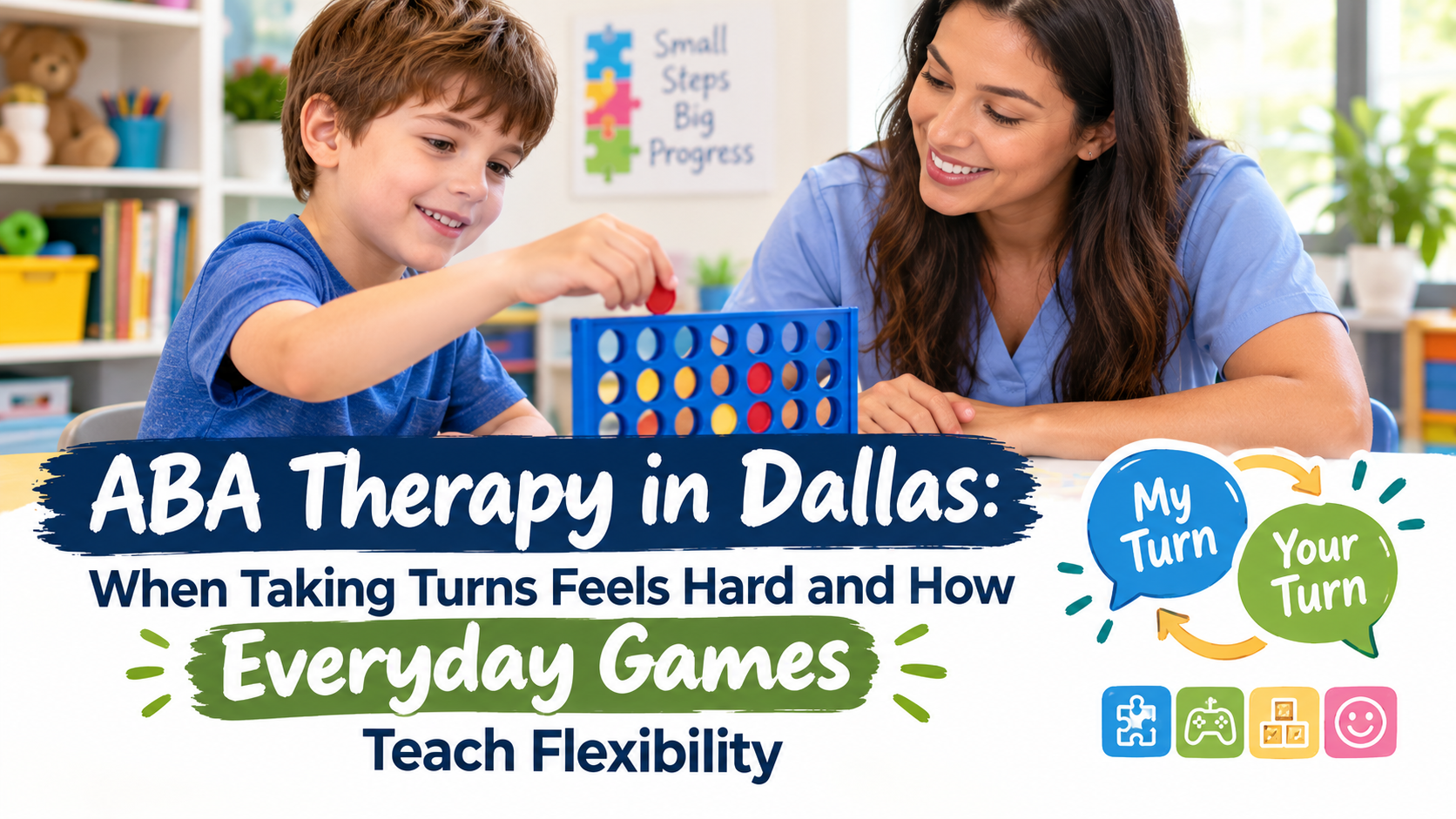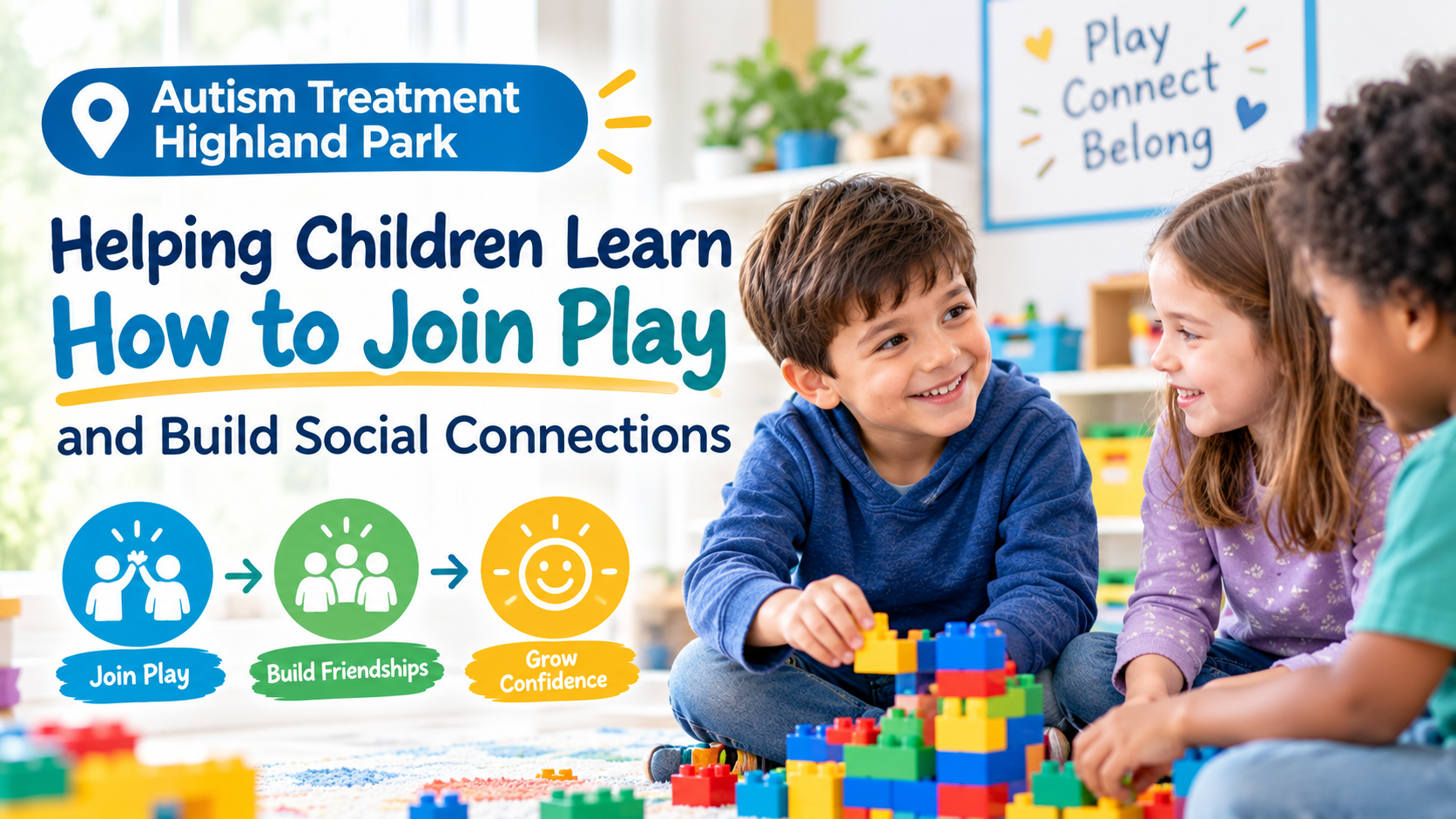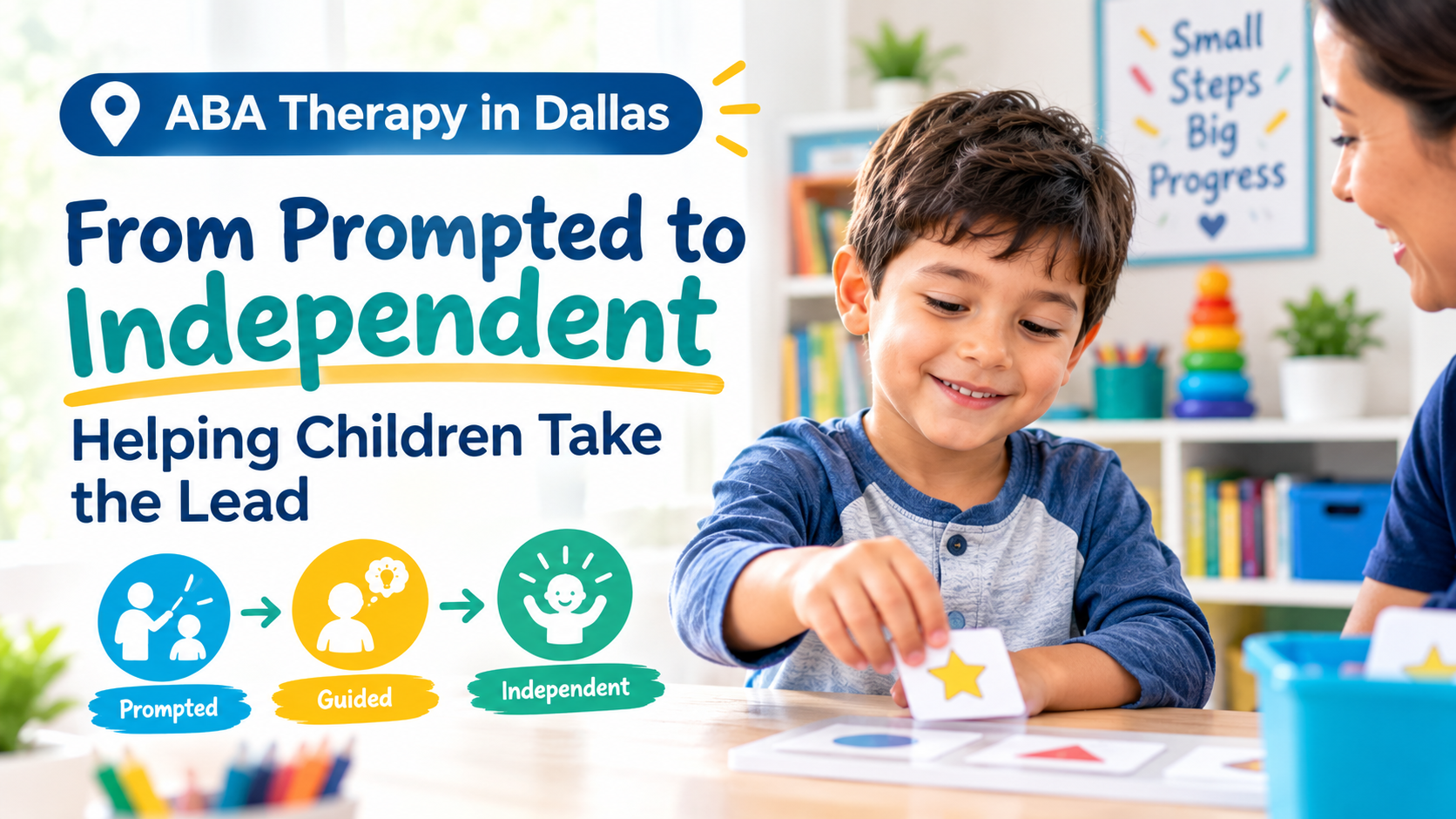

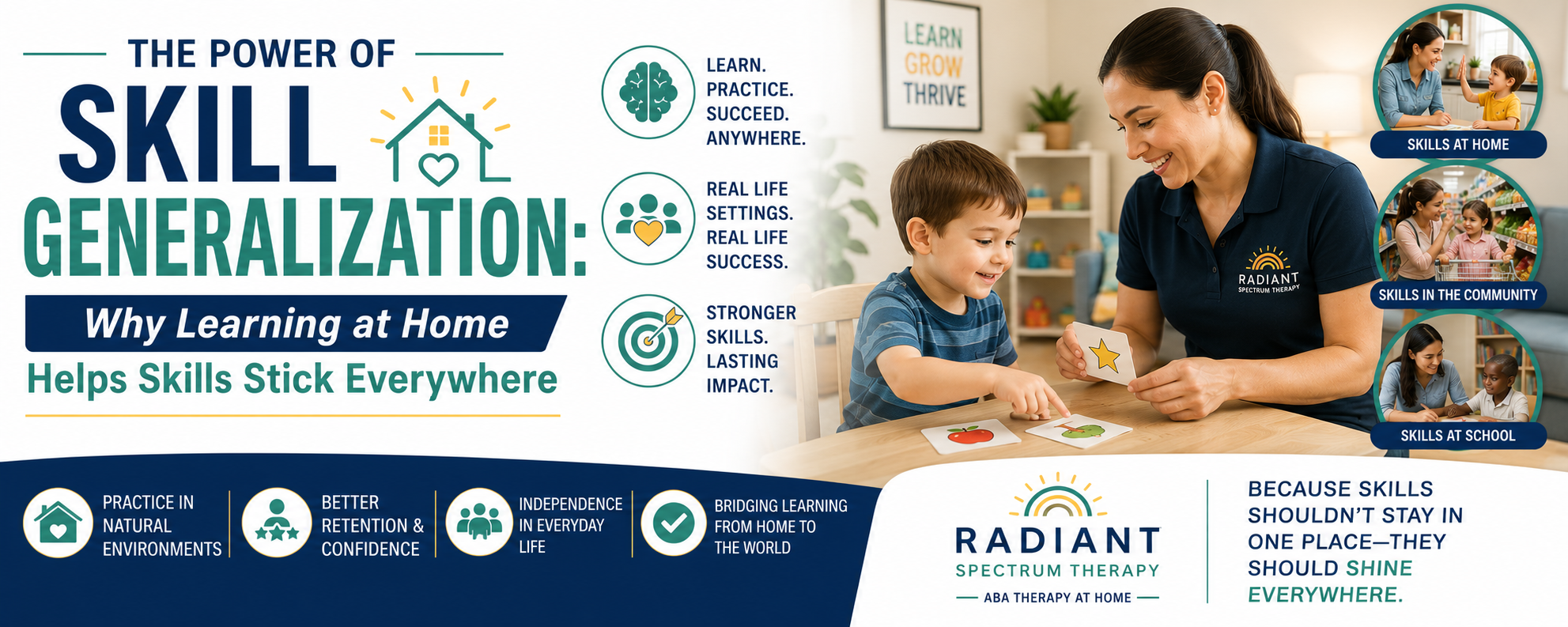
One of the biggest goals of In-Home ABA Therapy Dallas TX is not simply teaching a child a new skill — it is helping them use that skill successfully in everyday life. A child may learn to request a favorite toy during therapy sessions, but can they ask for help at school? Can they communicate their needs at a restaurant? Can they use the same skill when visiting grandparents?
This is where skill generalization becomes essential.
In Applied Behavior Analysis (ABA), generalization refers to a child’s ability to apply learned skills across different environments, people, and situations. Without generalization, progress may remain limited to a therapy setting. With strong generalization, children can use their skills confidently at home, in school, and throughout their community.
For families seeking ABA therapy Dallas TX, understanding the importance of generalization can help explain why in-home services often play a critical role in long-term success.
What Is Skill Generalization in ABA Therapy?
Skill generalization occurs when a child takes a learned behavior and uses it appropriately outside the environment where it was originally taught.
For example:
- Learning to say “water” during therapy and requesting water at home
- Following instructions from both therapists and teachers
- Using social greetings with family members, peers, and neighbors
- Completing hygiene routines independently in multiple settings
- Using coping skills in unfamiliar environments
Generalization is one of the most important indicators that therapy is creating meaningful, lasting change.
Children diagnosed with autism often benefit from structured teaching methods, but skills must eventually transfer into natural environments. This is why many families choose In-home autism therapy Dallas services as part of their treatment plan.
Why Skills Sometimes Stay “Stuck” in One Environment
Many parents notice a common challenge.
Their child performs a skill perfectly during therapy but does not use it elsewhere.
This happens because children may associate a skill with a specific:
- Room
- Person
- Activity
- Therapy table
- Routine
For example, a child may learn to answer questions when sitting with a therapist but struggle to answer the same questions during dinner with family.
Without intentional generalization planning, children can become dependent on certain prompts or environments.
A quality Applied behavior analysis Dallas TX program focuses on helping children transfer skills beyond the therapy session.
Why Home Is One of the Best Places for Learning
Skills Are Taught Where They Naturally Occur
The home environment provides countless opportunities for learning.
Instead of practicing abstract examples, children can learn skills in real-life situations.
Examples include:
- Asking for snacks in the kitchen
- Cleaning up toys in the living room
- Completing bedtime routines
- Brushing teeth in the bathroom
- Following household directions
Because these activities occur every day, they provide natural opportunities for repetition and reinforcement.
This is one reason many families choose In-Home ABA Therapy Dallas TX as part of their child’s treatment plan.
Children Feel More Comfortable
Learning often happens more effectively when children feel safe and comfortable.
At home, children are surrounded by:
- Familiar people
- Familiar routines
- Preferred toys
- Comfortable environments
Reduced anxiety can improve engagement and make it easier for therapists to build meaningful learning opportunities.
For families seeking Autism therapy Highland Park TX, this personalized approach can make a significant difference.
Teaching Communication Skills Where They Matter Most
Communication is one of the most common goals in ABA therapy.
However, communication should not only happen during structured sessions.
Children need opportunities to communicate throughout their day.
Examples of Home-Based Communication Teaching
A therapist may help a child:
- Request favorite foods
- Ask for help
- Answer family questions
- Initiate conversations
- Express preferences
- Communicate discomfort
Because these situations happen naturally at home, communication becomes functional rather than memorized.
This practical approach is a major advantage of ABA services Dallas families often appreciate.
Generalization Across Different People
Another important aspect of generalization involves using skills with multiple people.
A child may successfully communicate with their therapist but hesitate when interacting with:
- Parents
- Siblings
- Grandparents
- Teachers
- Friends
- Community members
In-home therapy creates opportunities to practice skills with family members throughout the day.
This exposure helps children understand that communication and social skills work with everyone — not just their therapist.
Building Independence Through Daily Living Skills ABA
Many therapy goals focus on increasing independence.
These skills are often easiest to teach where they naturally occur.
Daily Living Skills Commonly Taught at Home
Personal Hygiene
Children can learn:
- Handwashing
- Tooth brushing
- Hair care
- Bathing routines
Household Responsibilities
Children can practice:
- Cleaning up toys
- Making beds
- Putting away clothes
- Organizing belongings
Meal Preparation Skills
Depending on age and ability:
- Setting the table
- Preparing simple snacks
- Following kitchen safety rules
Teaching these skills within the home environment supports stronger Daily living skills ABA outcomes.
Social Skills Don’t Only Happen in Therapy Rooms
Social interactions occur constantly throughout everyday life.
Home-based therapy allows therapists to work on:
- Sharing
- Turn-taking
- Conversation skills
- Flexible thinking
- Emotional regulation
Real-life practice opportunities often create stronger results than role-playing alone.
Children learn how to respond in authentic situations rather than scripted exercises.
Families seeking ABA therapy for children Dallas often value this natural learning process.
Supporting School Success Through Generalization
One of the biggest concerns parents have is whether therapy gains will transfer into school environments.
Strong generalization helps children:
- Follow classroom directions
- Participate in group activities
- Communicate with teachers
- Complete assignments independently
- Manage transitions
When home and school skills align, children often experience greater consistency and confidence.
Many Early intervention ABA Dallas programs prioritize collaboration between families and educational teams to encourage this transfer of skills.
How Parent Training Strengthens Generalization
Parents are with their children far more than therapists.
This makes parent involvement essential.
Why Parent Training Matters
Therapists can teach parents how to:
- Reinforce skills naturally
- Reduce prompt dependence
- Encourage independence
- Create learning opportunities
- Respond consistently to behaviors
Effective Parent training ABA Dallas programs help families continue progress long after sessions end.
When parents become active participants in treatment, generalization opportunities increase dramatically.
Community Generalization: Taking Skills Beyond the Home
The ultimate goal is helping children succeed in the broader community.
Skills learned through Behavior therapy for autism Dallas can be practiced in:
- Grocery stores
- Parks
- Restaurants
- Family gatherings
- Religious services
- Recreational activities
These environments introduce new people, expectations, and challenges.
Children who can successfully generalize skills often experience greater independence and confidence in community settings.
Signs That Generalization Is Working
Parents may notice several indicators that skills are transferring successfully.
Positive Signs Include:
- Using communication without prompts
- Following directions from different adults
- Demonstrating skills in new locations
- Showing increased independence
- Applying problem-solving skills naturally
- Participating more confidently in social situations
These milestones often represent meaningful progress beyond what is measured during therapy sessions alone.
How ABA Therapists Promote Generalization
Generalization does not happen automatically.
Experienced therapists intentionally design programs that encourage transfer across environments.
Common Strategies Include:
Teaching Across Multiple Settings
Skills are practiced in various rooms and environments.
Using Multiple Instructors
Children learn that expectations remain consistent regardless of who is teaching.
Natural Environment Teaching (NET)
Skills are taught during everyday activities rather than only structured lessons.
Varying Materials
Children practice with different toys, objects, and situations.
Parent Involvement
Families receive guidance on continuing skill development throughout daily routines.
These evidence-based practices are commonly used in quality Applied behavior analysis Dallas TX programs.
Why Generalization Leads to Better Long-Term Outcomes
The true measure of therapy success is not what happens during a session.
Success occurs when a child can:
- Communicate independently
- Navigate daily routines
- Build meaningful relationships
- Participate in school
- Engage in community activities
When skills generalize effectively, children become more independent and families often experience less daily stress.
This is why generalization remains one of the most important goals of Skill generalization ABA therapy programs.
Why Dallas and Highland Park Families Choose In-Home ABA Therapy
Families throughout Dallas and Highland Park are increasingly seeking therapy services that fit naturally into everyday life.
In-home ABA services Highland Park and surrounding Dallas communities provide opportunities to teach skills where they are most relevant and meaningful.
Benefits often include:
- Personalized learning environments
- Increased family involvement
- Natural opportunities for practice
- Stronger skill retention
- Better real-world outcomes
- Greater convenience for busy families
Because therapy occurs in the child’s natural environment, progress often becomes more functional and sustainable.
Related ABA Services That Support Generalization
Families may also benefit from services that complement in-home therapy, including:
- Comprehensive ABA assessments
- Early intervention programs
- Parent training and coaching
- School-based ABA support
- Social skills development
- Functional Communication Training (FCT)
- Daily living skills instruction
These services can work together to create a comprehensive treatment approach focused on lasting success.
Conclusion
The goal of In-Home ABA Therapy Dallas TX is not simply teaching a child new skills — it is helping those skills become part of everyday life. Through effective Skill generalization ABA therapy, children learn to communicate, socialize, and function independently across home, school, and community settings.
For families in Dallas and Highland Park, in-home ABA services offer unique opportunities to teach skills where they naturally occur, making learning more meaningful and sustainable. When communication, self-care, and social skills generalize successfully, children gain greater independence and confidence while families experience more positive daily interactions.
Ultimately, the strongest measure of success is not what a child can do during therapy — it is what they can do everywhere else.
Contact us at 972–310–4991 or visit https://radiantspectrumtherapy.com/ to learn more.