
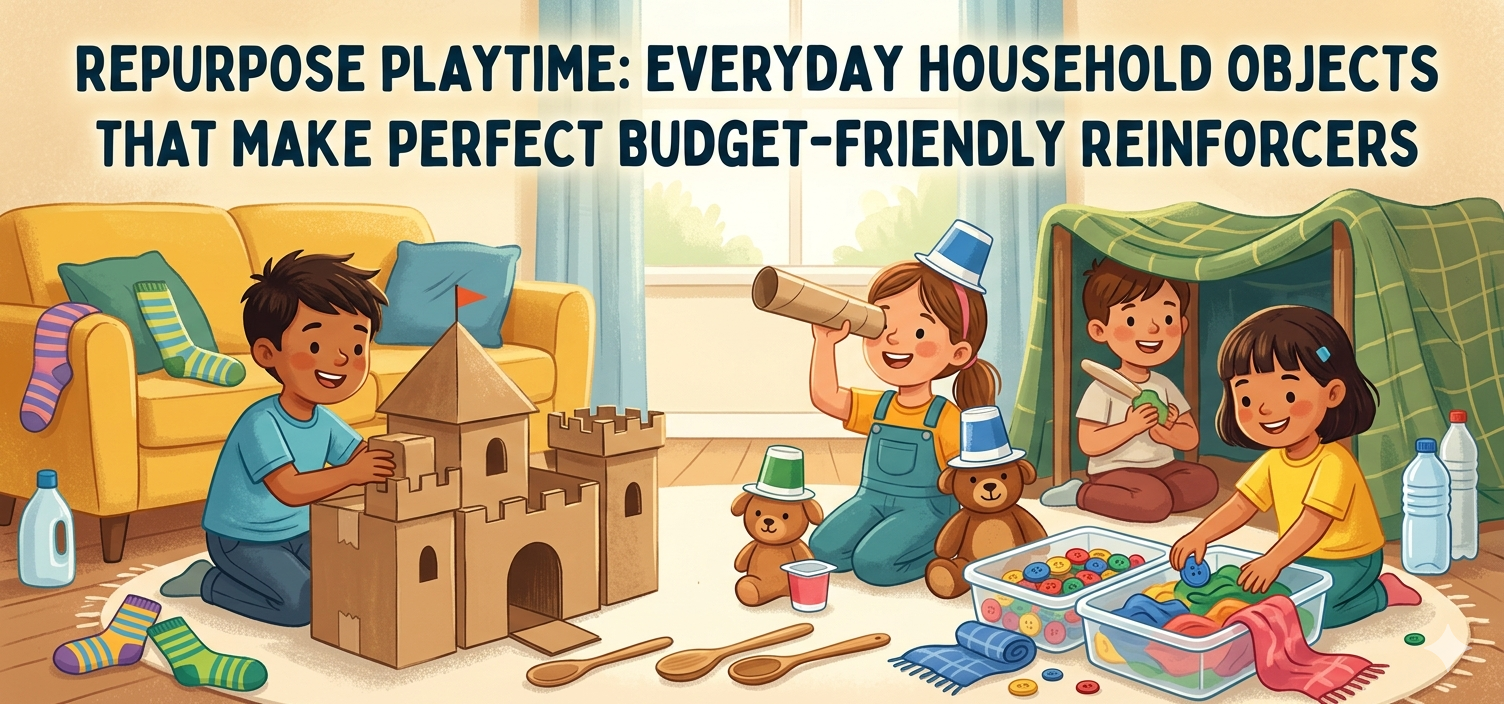
Parents often assume they need expensive toys, specialty sensory products, or the latest gadgets to keep their child engaged during learning activities. In reality, some of the most effective reinforcers can already be found around the house. Simple items such as measuring cups, flashlights, tape, old phones, plastic containers, and kitchen tools can become valuable resources for encouraging participation, communication, and skill development.
For families involved in ABA therapy Highland Park, TX, finding practical ways to support learning at home is often a priority. The good news is that meaningful play experiences do not require a large budget. Children frequently find everyday household objects just as exciting — sometimes even more exciting — than expensive toys. When used thoughtfully, these items can motivate children, encourage engagement, and help generalize skills beyond structured therapy sessions.
Whether your child participates in Center-Based ABA, receives Home-Based ABA Therapy, or benefits from a combination of services, repurposing common household items can create endless opportunities for learning and fun.
Why Reinforcers Matter
In behavioral therapy, reinforcement plays an important role in helping children learn new skills. Reinforcers are items, activities, or experiences that increase the likelihood a behavior will happen again in the future.
Every child is unique. One child may work hard for a favorite toy, while another may be motivated by a simple activity such as turning a flashlight on and off or stacking measuring cups. The key is identifying what your child enjoys and using those interests to encourage communication, cooperation, and learning.
Families participating in ABA Parent Training often learn how to identify effective reinforcers and use them consistently throughout daily routines. Reinforcement does not have to be complicated. In many cases, everyday household objects become highly motivating because they are novel, accessible, and naturally incorporated into family life.
Measuring Cups: More Than a Kitchen Tool
Many children are fascinated by measuring cups. They stack, nest, pour, scoop, and create endless opportunities for exploration.
Parents can use measuring cups to:
- Practice requesting items
- Teach colors and sizes
- Build fine motor skills
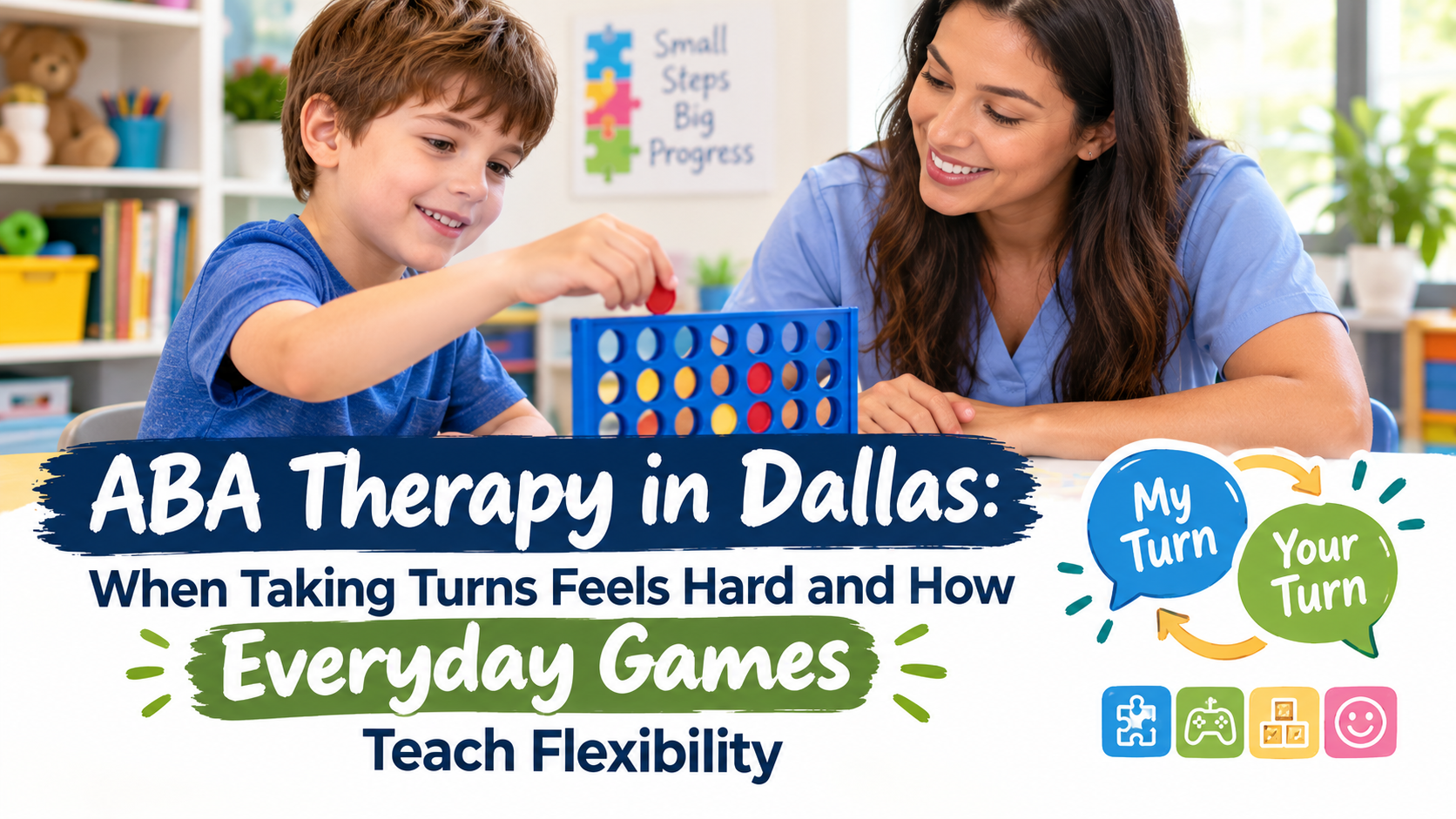
- Encourage turn-taking
- Develop matching skills
A child may work toward a goal simply to earn a chance to stack cups into a tower. Others may enjoy filling cups with water during bath time or using them during sensory activities.
For families receiving Home-Based ABA Therapy, measuring cups are particularly useful because they are readily available and can be incorporated into everyday routines without special preparation.
Flashlights Create Instant Excitement
Few household items capture attention as quickly as a flashlight. The ability to control light can be highly reinforcing for many children.
Flashlights can be used for:
- Following directions
- Practicing requesting
- Turn-taking games
- Visual tracking activities
- Indoor scavenger hunts
Parents often discover that earning a few seconds with a flashlight can be just as motivating as receiving a favorite toy. During parent training for autism, caregivers frequently learn how to use preferred activities like flashlight play to increase engagement and participation.
Simple activities such as finding hidden objects around the room can transform learning opportunities into exciting adventures.
Old Phones and Remote Controls
Many children are naturally interested in items they see adults using every day. Old phones, disconnected cell phones, calculators, and unused remote controls can become valuable learning tools.
Children may enjoy:
- Pretend phone conversations
- Pressing buttons
- Exploring sounds
- Imitation play
- Social interaction practice
These items support imaginative play while also creating opportunities to teach communication skills.
Families involved in behavioral therapy Park Cities often discover that everyday objects hold more value than traditional toys because they mirror real-life experiences. When children interact with familiar household items, they are also practicing skills they can use in natural environments.
Painter’s Tape and Masking Tape Open Endless Possibilities
A roll of painter’s tape can provide hours of entertainment and learning opportunities.
Some simple activities include:
- Creating obstacle courses
- Making hopscotch patterns
- Designing shapes on floors
- Practicing letters
- Building roads for toy cars
Many children enjoy peeling tape, placing it on surfaces, and following taped pathways around the house.
These activities naturally encourage movement, attention, and problem-solving skills. Families participating in ABA Parent Training often appreciate tape-based activities because they are inexpensive, easy to set up, and adaptable to different skill levels.
Plastic Containers and Storage Bins
Before throwing away empty containers, consider how they might become part of your child’s playtime.
Plastic containers can be used for:
- Sorting activities
- Matching games
- Hide-and-seek challenges
- Building projects
- Sensory play
Children frequently enjoy placing objects inside containers and taking them out repeatedly. While this may seem simple, these actions help develop important cognitive and motor skills.
For children receiving center-based autism services, therapists often use similar activities because they promote engagement while teaching foundational learning concepts.
Laundry Baskets Become Adventure Zones
A laundry basket may not look exciting to adults, but many children see endless possibilities.
Laundry baskets can be transformed into:
- Boats
- Race cars
- Reading corners
- Obstacle course stations
- Tunnels
They can also be incorporated into games that encourage following directions and completing tasks.
Parents seeking creative ways to reinforce positive behaviors during in-home ABA therapy Dallas sessions often find that large household items create powerful opportunities for movement-based reinforcement.
Kitchen Utensils Encourage Exploration
Wooden spoons, mixing bowls, silicone spatulas, and whisks can become engaging tools for learning and play.
Children can use them to:
- Create music
- Practice imitation
- Explore textures
- Build pretend cooking skills
- Engage in sensory experiences
Because these items are frequently used by family members, they often carry a strong level of interest and curiosity.
Children who may ignore traditional toys sometimes become highly engaged when given access to real-world objects they see adults using regularly.
Cardboard Boxes: The Ultimate Free Toy
Large and small cardboard boxes continue to be one of the most versatile play resources available.
Boxes can become:
- Spaceships
- Castles
- Cars
- Animal homes
- Hideouts
Parents can also use boxes to create sorting activities, matching games, and simple obstacle courses.
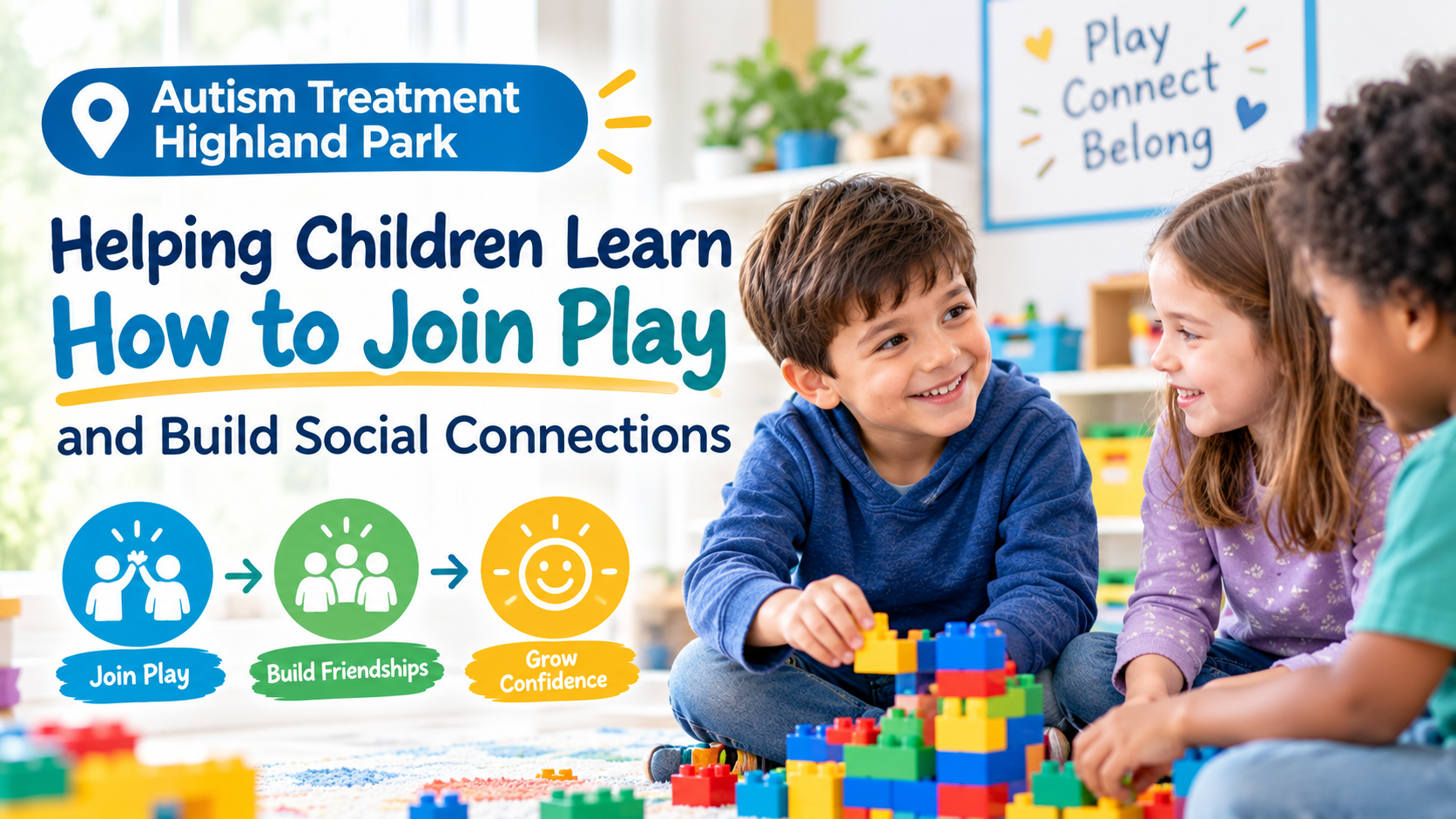
Many professionals providing Autism Treatment Highland Park encourage families to embrace open-ended play because it fosters creativity, communication, and problem-solving skills.
A cardboard box often provides far more opportunities for imagination than a toy with only one intended purpose.
Water Bottles and Containers for Sensory Fun
Empty water bottles can be repurposed into engaging sensory tools.
Families can fill them with:
- Rice
- Beans
- Beads
- Pom-poms
- Colored water
These homemade sensory bottles can be used as reinforcers, calming tools, or visual supports.
Children frequently enjoy shaking, rolling, and observing the movement inside the bottles. This simple activity can hold attention surprisingly well and costs very little to create.
Why Household Reinforcers Work So Well
One reason everyday objects are effective is their novelty. Children often become accustomed to their toys and lose interest over time. Household objects provide new experiences without requiring constant spending.
Another advantage is accessibility. Parents can immediately reinforce positive behaviors because the items are already available.
For example:
- A child requests appropriately and earns flashlight time.
- A child follows directions and gets to stack measuring cups.
- A child completes a task and earns access to a pretend phone.
These quick reinforcement opportunities fit naturally into daily routines and support skill development across environments.
Professionals working in pediatric behavioral health Highland Park frequently emphasize the importance of helping children use skills in real-life settings. Household objects make that process easier because they are part of everyday experiences.
Supporting Generalization at Home
One of the goals of behavioral intervention is helping children apply skills beyond therapy sessions.
When parents use common household items during learning opportunities, children begin practicing skills in natural environments. This helps strengthen generalization and encourages independence.
Families working with ABA providers 75205 often seek practical strategies that fit into busy schedules. Repurposed play materials offer a realistic solution because they require minimal preparation and can be incorporated throughout the day.
A few minutes of learning during meal preparation, laundry time, or household chores can create meaningful opportunities for communication, social interaction, and problem-solving.
Creating a Reinforcer Rotation
Just like toys, household reinforcers can lose their appeal if they are always available.
Consider creating a rotation system:
- Store certain items out of sight.
- Introduce them during specific activities.
- Rotate items every few days.
- Observe which objects maintain interest.
This approach helps preserve novelty and keeps reinforcement effective over time.
Families receiving support through a local ABA clinic Texas often learn that maintaining motivation is less about purchasing new items and more about using preferred items strategically.
Final Thoughts
Supporting your child’s development does not require expensive toys or elaborate materials. Some of the most powerful reinforcers can be found in kitchen drawers, storage closets, laundry rooms, and recycling bins.
Measuring cups, flashlights, tape, old phones, containers, cardboard boxes, and household utensils all offer opportunities for engagement, communication, and skill development. These simple items can transform ordinary moments into meaningful learning experiences while keeping costs low for families.
Whether your child participates in Center-Based ABA, receives Home-Based ABA Therapy, or is supported through ABA therapy Highland Park, TX, everyday household objects can become valuable tools that encourage learning through play. By recognizing the potential in the items already around you, it becomes easier to create fun, motivating experiences that support growth while strengthening connections between children and their caregivers.
Contact us at 972–310–4991 or visit https://radiantspectrumtherapy.com/ to learn more.