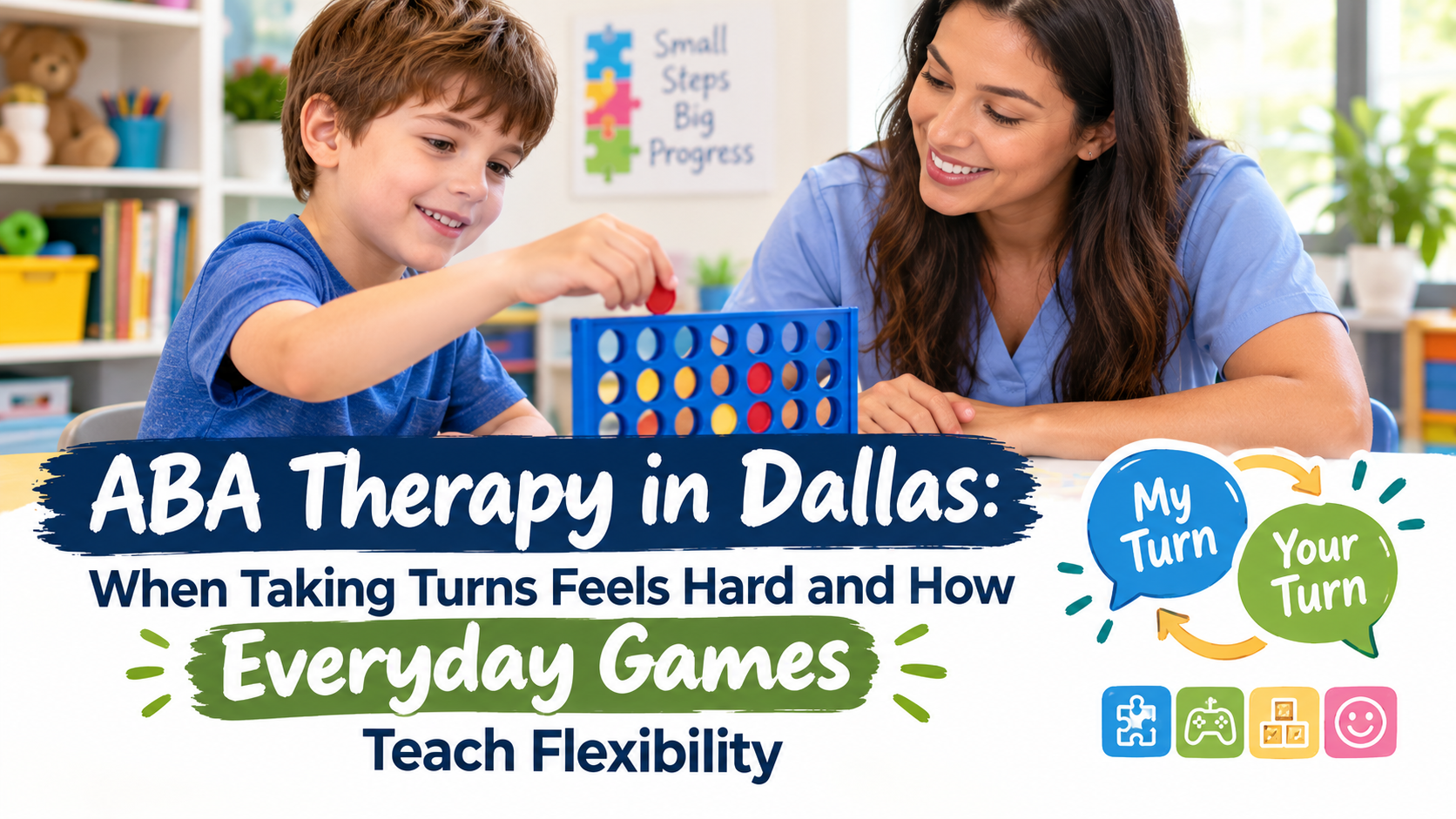
ABA Therapy in Dallas: When Taking Turns Feels Hard and How Everyday Games Teach Flexibility

Behavior pulling can be confusing and emotionally exhausting for families trying to support a child with autism. Some children pull at clothing, hair, hands, objects, or even other people during moments of frustration, overstimulation, or anxiety. While the behavior may seem sudden or difficult to understand, it often serves a purpose for the child. Understanding the reason behind the behavior is one of the first steps toward creating a supportive and effective plan.
Families searching for Autism Treatment Highland Park often want answers that go beyond quick fixes. They want practical support, compassionate guidance, and long-term strategies that help their child feel understood and safe. Behavior pulling is not always about aggression or defiance. In many cases, it is a form of communication. A child may be trying to escape discomfort, express stress, seek sensory input, or gain attention in a way that feels manageable to them.
The key is identifying what triggers the behavior and learning how to redirect it in a positive and supportive way.
Children with autism process the world differently. Everyday situations that seem minor to others may feel overwhelming, overstimulating, or unpredictable. Some children react physically when they struggle to regulate their emotions or sensory experiences.
Behavior pulling can happen for several reasons, including:
Every child is different, which is why individualized care matters. Families looking into ABA therapy Highland Park, TX often discover that personalized treatment plans can help uncover the exact reasons behind challenging behaviors.
Rather than focusing only on stopping the behavior, therapy focuses on understanding why it happens and teaching healthier alternatives.
When behavior pulling becomes frequent, it can impact daily life at home, school, and in public settings. Parents may feel nervous about outings, family gatherings, or social situations because they are unsure when the behavior might happen.
Early intervention can help children develop coping skills before the behavior becomes more deeply rooted. This is one reason many families explore center-based autism services as part of their child’s support plan.
In a structured environment, children have opportunities to practice communication, emotional regulation, and social interaction while receiving consistent guidance from trained professionals. A supportive clinical setting can also help reduce triggers by creating predictable routines and clear expectations.
For many families, consistency plays a major role in helping children feel secure. Predictable schedules and calm responses can reduce stress and create opportunities for positive growth.
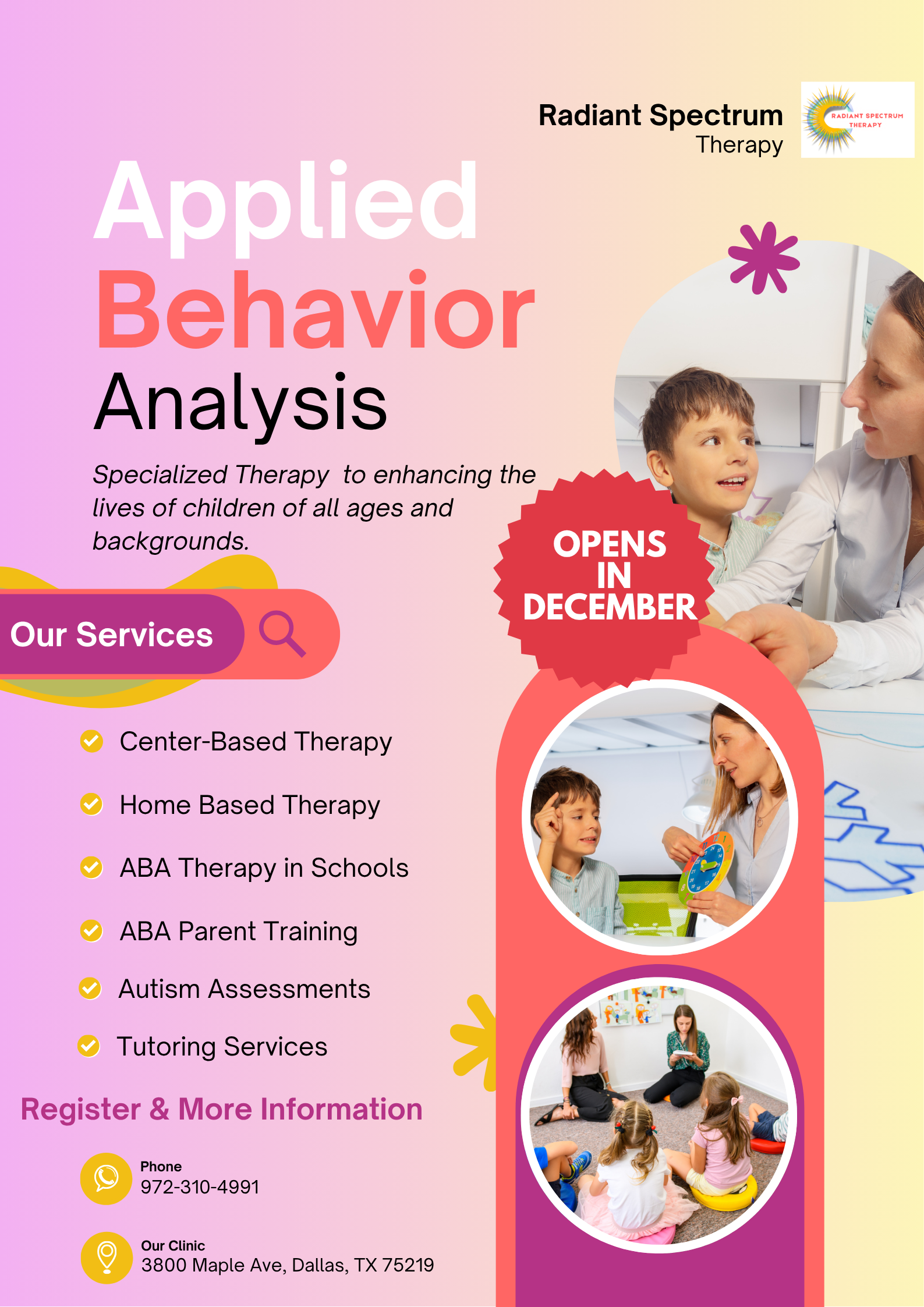
Families exploring Center-Based ABA often appreciate the structured environment and collaborative support available through clinic-based care. Children benefit from working with professionals who can observe behaviors in real time and respond with individualized strategies.
A center setting may include:
When behavior pulling occurs during sessions, therapists can identify patterns and adjust interventions accordingly. This helps children learn replacement behaviors that are safer and more effective.
For example, a child who pulls on others during moments of frustration may learn how to request a break, use visual communication tools, or practice calming strategies instead.
Families seeking local ABA clinic Texas services often value the ability to work closely with professionals who understand how behavior patterns connect to emotional and sensory needs.
Parents play one of the most important roles in helping children build new skills. Therapy does not stop when a session ends. Children benefit most when strategies are reinforced consistently across home, school, and community settings.
This is why ABA Parent Training is such an important part of long-term progress.
Parent training helps caregivers understand:
Many families report feeling more confident once they better understand why their child engages in certain behaviors. Instead of reacting out of frustration or confusion, parents can respond with strategies that support learning and emotional regulation.
Families looking for parent training for autism often discover that education and support can improve not only the child’s progress but also the overall family dynamic.
Children with autism often thrive in environments that feel predictable and safe. Small adjustments at home can sometimes reduce stress and lower the frequency of behavior pulling.
Helpful strategies may include:
Predictable routines help children understand what to expect throughout the day. Consistency can reduce anxiety and make transitions easier.
Simple language, visual supports, and step-by-step instructions may help children process information more effectively.
Some children become overwhelmed by noise, textures, crowds, or bright lights. Identifying triggers can help families create calmer spaces.
Praise and encouragement can motivate children to use appropriate communication and coping skills.
Children often respond to the emotional tone around them. Calm responses from caregivers can help de-escalate stressful situations.
Some children feel more comfortable learning in familiar surroundings. In-home sessions allow therapists to observe real-life routines and provide support where challenges naturally occur.
Families searching for in-home ABA therapy Dallas services often choose this option because it offers personalized support in everyday situations.
Home-based therapy may focus on:
When behavior pulling occurs at home, therapists can help families identify patterns and create realistic intervention plans tailored to the child’s specific needs.
This type of therapy can also help parents feel more involved in the learning process.
Behavior pulling is often connected to emotional regulation challenges. Some children experience emotions intensely but struggle to express them in socially appropriate ways.
Therapy can help children learn how to:
These skills take time, repetition, and patience. Progress may happen gradually, but consistent support can lead to meaningful improvements.
Families seeking pediatric behavioral health Highland Park services often want care that looks beyond behavior alone and considers the child’s emotional wellbeing too.
A compassionate approach can help children feel supported rather than punished.
Children respond best when they feel successful. Positive reinforcement focuses on encouraging desired behaviors instead of constantly correcting unwanted ones.
For example, if a child begins using words, gestures, or visual communication instead of pulling behaviors, caregivers and therapists may immediately praise and reward that effort.
This creates a stronger connection between positive behavior and positive outcomes.
Over time, children begin to understand safer and more effective ways to communicate their needs.
Families working with ABA providers 75205 often look for professionals who emphasize encouragement, consistency, and individualized support rather than rigid expectations.
Behavioral challenges affect more than just the child. Parents, siblings, and caregivers can all experience stress, fatigue, and emotional strain when difficult behaviors become frequent.
Support services can help families feel less isolated and more empowered.
When families have access to:
They often feel more confident navigating challenges at home and in the community.
Therapy is not about changing who a child is. It is about helping children build communication, confidence, independence, and emotional regulation skills that improve quality of life.
Behavior pulling can feel overwhelming at times, but progress is possible with the right support system. Every child communicates differently, and understanding the reason behind behaviors can create opportunities for growth and connection.
Families exploring behavioral therapy Park Cities services often discover that compassionate, individualized care can make a meaningful difference over time.
Whether support happens through Center-Based ABA, Home-Based ABA Therapy, or parent-focused education, the goal remains the same: helping children feel understood, supported, and capable of learning healthier ways to communicate and regulate emotions.
Children deserve patience, encouragement, and environments where they feel safe enough to grow. Families deserve guidance that helps them feel confident and supported along the journey.
With consistent care, collaboration, and understanding, children can build the skills they need to navigate everyday challenges more successfully while strengthening relationships at home, school, and within the community.
Contact us at 972–310–4991 or visit https://radiantspectrumtherapy.com/ to learn more.