Hearing the words “your child has autism” can stop time. For many families, the diagnosis brings a mix of emotions — relief at finally having answers, fear of the unknown, and an overwhelming desire to do the right thing. One of the most important steps you can take after an autism diagnosis is to seek services immediately. Early support can dramatically shape your child’s development, confidence, communication skills, and long-term independence.
At Radiant Spectrum Therapy, we believe families deserve clarity, support, and actionable guidance from day one. The earlier you connect with the right services, the more opportunities your child has to grow, learn, and thrive.
Below, we’ll explore why acting quickly matters, what services to look for, and how early intervention — especially Applied Behavior Analysis (ABA) therapy — can make a lifelong difference.
The Power of Early Intervention in Autism
The early years of a child’s life are a period of extraordinary brain development. Neural pathways are forming at a rapid pace, making young children especially responsive to learning new skills. When a child is diagnosed with autism spectrum disorder (ASD), this window becomes even more critical.
Early intervention for autism provides structured support during this sensitive developmental stage. Research consistently shows that children who begin services early often experience stronger outcomes in communication, social development, behavior regulation, and daily living skills.
Waiting, on the other hand, can mean missed opportunities. Autism does not “resolve on its own.” While every child develops at their own pace, early services give children tools they need to navigate their world more successfully.
Why Starting Services Immediately Matters
1. Communication Skills Develop Faster
Many children with autism struggle with expressive and receptive language. Early services — particularly ABA therapy for autism — focus on building foundational communication skills. This may include:
- Making requests
- Responding to their name
- Following simple directions
- Developing conversational skills
- Using alternative communication systems when needed
When communication improves, frustration often decreases. A child who can express needs is less likely to engage in challenging behaviors driven by misunderstanding or sensory overload.
The earlier these skills are introduced, the more natural and effective they become.
2. Behavior Challenges Can Be Addressed Before They Escalate
Autism may come with behaviors such as meltdowns, aggression, self-injury, or difficulty transitioning between activities. These behaviors are not “bad behavior” — they are communication.
Through behavior therapy for autism, therapists identify the function behind behaviors and teach safer, more effective alternatives. Early ABA intervention helps prevent challenging behaviors from becoming deeply ingrained habits.
The longer behaviors continue without structured intervention, the harder they can be to modify. Early, consistent support can dramatically reduce stress at home and school.
3. Social Skills Are Easier to Build Early
Social learning begins in toddlerhood. Skills like joint attention, turn-taking, eye contact, and pretend play are foundational for friendships later in life.
Early intensive behavioral intervention (EIBI) focuses heavily on these early social milestones. Teaching social skills at age two or three looks very different than trying to introduce them at age eight or nine. Young children are naturally immersed in learning how to interact — and structured support during this stage makes a lasting impact.
4. Families Gain Guidance and Confidence
An autism diagnosis doesn’t just affect the child — it affects the entire family. Parents often feel unsure about what to do next. Early services provide:
- Parent training
- Behavior management strategies
- Structured routines
- Ongoing professional support
With ABA therapy services, parents learn how to reinforce skills at home, handle difficult moments calmly, and create consistent expectations. This empowerment reduces anxiety and builds confidence.
When families feel supported, children benefit even more.
Understanding ABA Therapy and Why It’s Often Recommended
One of the most widely recommended evidence-based treatments for autism is Applied Behavior Analysis (ABA) therapy.
ABA therapy programs are built on decades of research showing that structured, individualized teaching can significantly improve outcomes for children with autism. Therapy focuses on:
- Communication development
- Social interaction
- Play skills
- Academic readiness
- Daily living skills
- Behavior reduction
Unlike one-size-fits-all approaches, individualized ABA treatment plans are tailored to each child’s strengths, needs, and learning style.
What Makes Early ABA Therapy So Effective?
Early ABA therapy leverages the brain’s natural flexibility during early childhood. Through repetition, positive reinforcement, and measurable goals, children learn skills step-by-step.
Some of the most impactful benefits of ABA therapy for young children include:
- Increased language acquisition
- Improved attention and focus
- Reduced challenging behaviors
- Greater independence
- Stronger readiness for school environments
Because therapy is data-driven, progress is consistently monitored and adjusted to ensure meaningful growth.
The Risk of Waiting
It’s understandable to feel overwhelmed after a diagnosis. Some families choose to “wait and see.” However, delays in starting early intervention ABA services can mean:
- More pronounced skill gaps
- Increased behavior challenges
- Greater frustration for the child
- More difficulty transitioning into structured school settings
Autism services often have waitlists. That’s another reason why reaching out immediately is so important. Even getting on a waitlist is a proactive step forward.
What Services Should Families Look For?
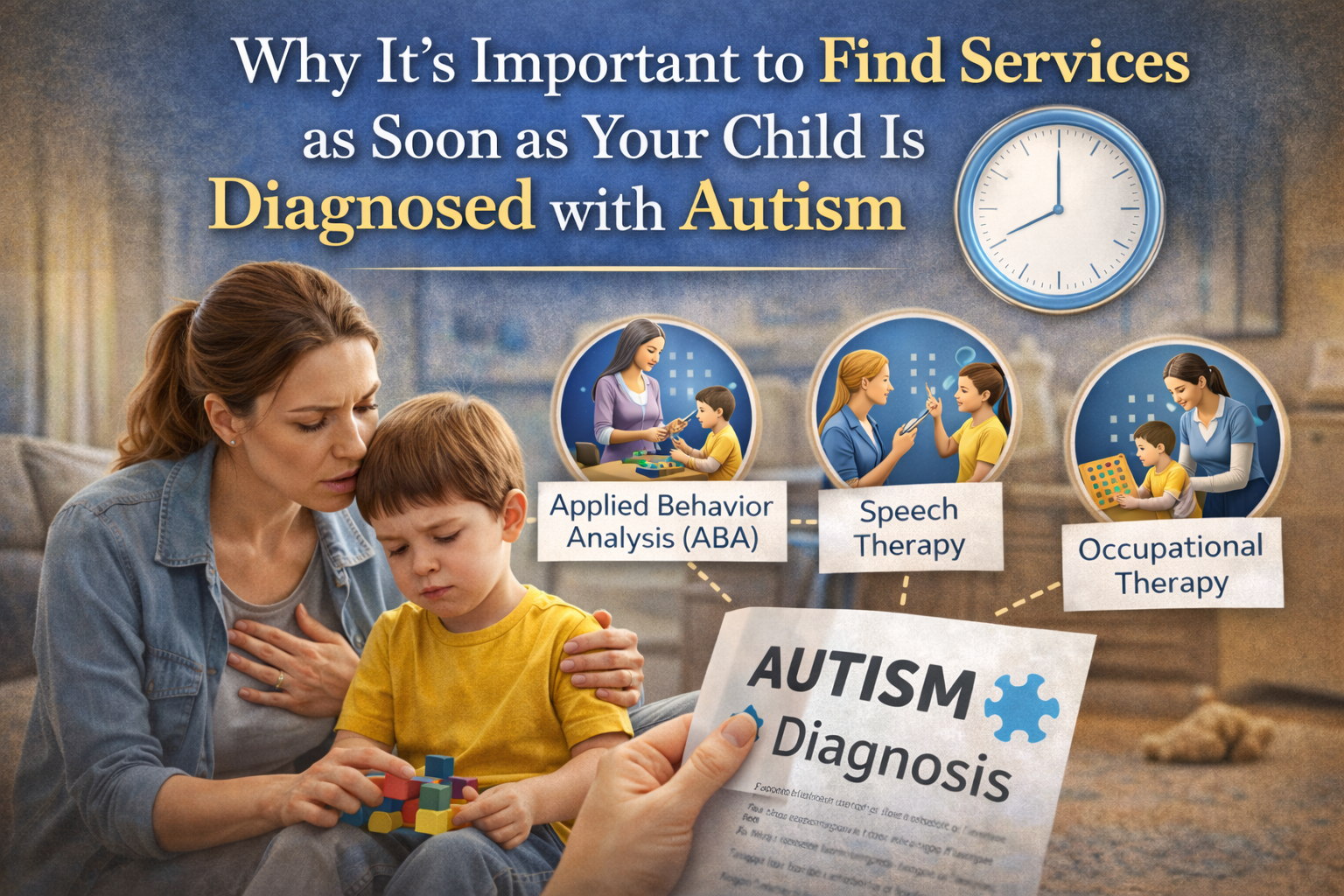
After a diagnosis, families may be referred to several types of services:
While a comprehensive approach is ideal, ABA therapy treatment often serves as the foundational intervention because of its broad focus on behavior, communication, and skill development.
When choosing a provider, families should look for:
High-quality autism therapy services prioritize both clinical excellence and compassion.
Building Independence from the Beginning
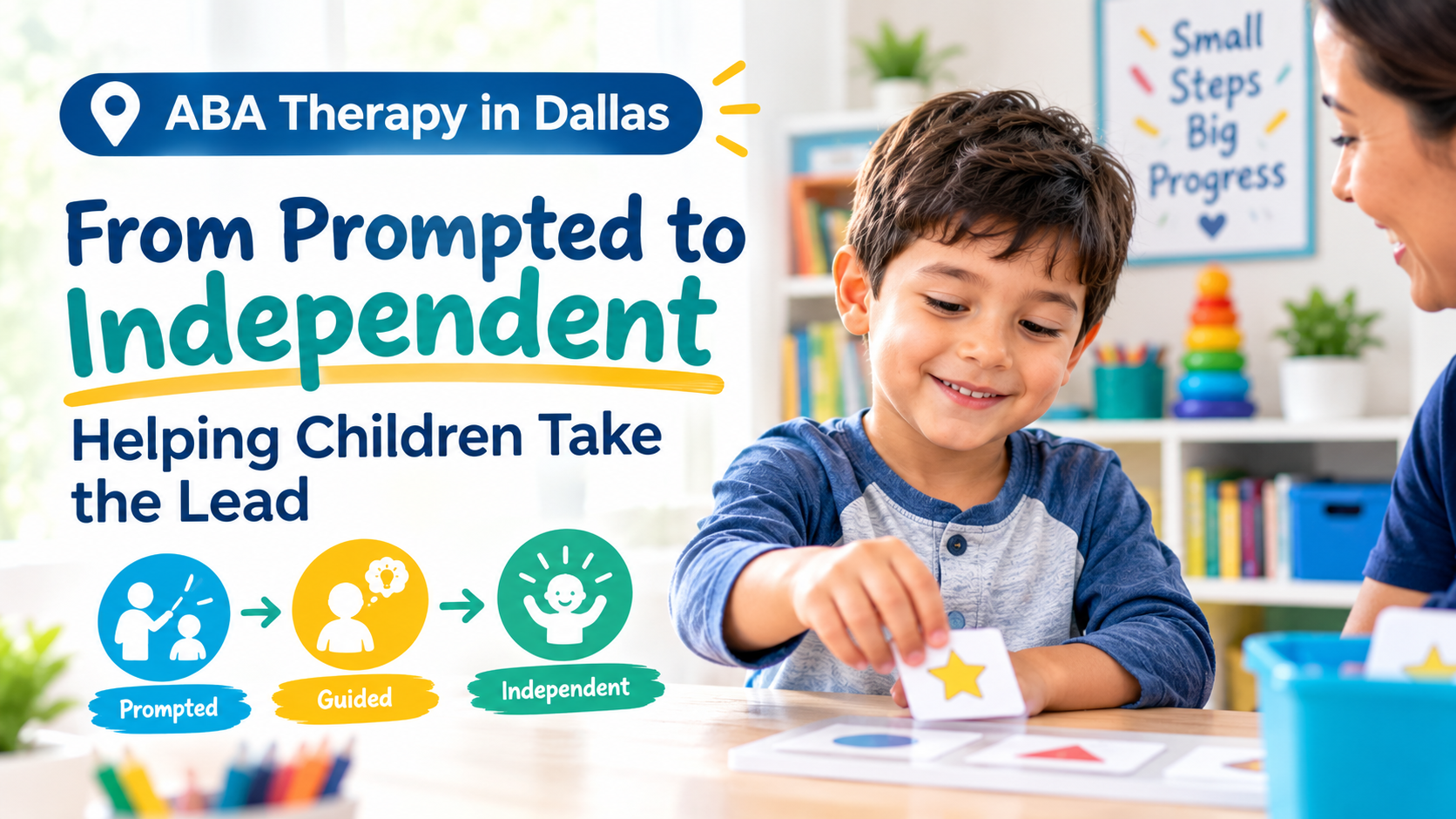
One of the long-term goals of ABA therapy for autism spectrum disorder is independence. This starts small — learning to wash hands, clean up toys, follow routines — but builds toward larger milestones like academic success, peer relationships, and self-advocacy.
Starting early means these habits become second nature. Children who receive intensive ABA therapy at a young age often show stronger adaptive skills later in life.
Independence doesn’t happen overnight. It’s built one skill at a time.
Emotional and Mental Health Benefits
Early services don’t just improve behavior and communication — they also support emotional regulation. Many children with autism experience anxiety due to sensory sensitivities, unpredictability, or difficulty understanding social expectations.
Through structured support and reinforcement, ABA-based intervention teaches coping strategies and flexibility. When children understand what’s expected and feel capable, their confidence grows.
That confidence carries into school, community settings, and family life.
The Long-Term Impact of Early Autism Services
Families who begin services shortly after diagnosis often report:
- Smoother school transitions
- Reduced family stress
- Better peer relationships
- Stronger academic readiness
- Improved overall quality of life
The goal of evidence-based ABA therapy is not to change who a child is. It is to give them tools to navigate the world more comfortably and successfully.
Autism is a lifelong diagnosis — but with early support, children can build meaningful skills that last a lifetime.
Taking the First Step
If your child has recently been diagnosed with autism, know this: you are not behind. But time matters.
Reach out. Schedule evaluations. Ask questions. Explore ABA therapy programs for autism. Connect with professionals who can guide you.
Early action doesn’t guarantee perfection. It does, however, dramatically increase opportunity.
At Radiant Spectrum Therapy, we believe every child deserves the chance to shine as brightly as they can. The earlier services begin, the stronger the foundation becomes.
Final Thoughts
An autism diagnosis can feel overwhelming — but it is also the beginning of a new path filled with possibility. The most important thing you can do is act early.
Early intervention autism services, especially Applied Behavior Analysis (ABA) therapy, provide structured, compassionate support during the years when it matters most. By beginning services as soon as possible, families set their children up for growth in communication, social skills, independence, and emotional regulation.
Every day counts. Every skill builds momentum. And every early step forward makes a difference.
If you’re ready to explore ABA therapy services and comprehensive autism early intervention programs, now is the time to start.
Contact us at 972–310–4991 or visit https://radiantspectrumtherapy.com/ to learn more.