
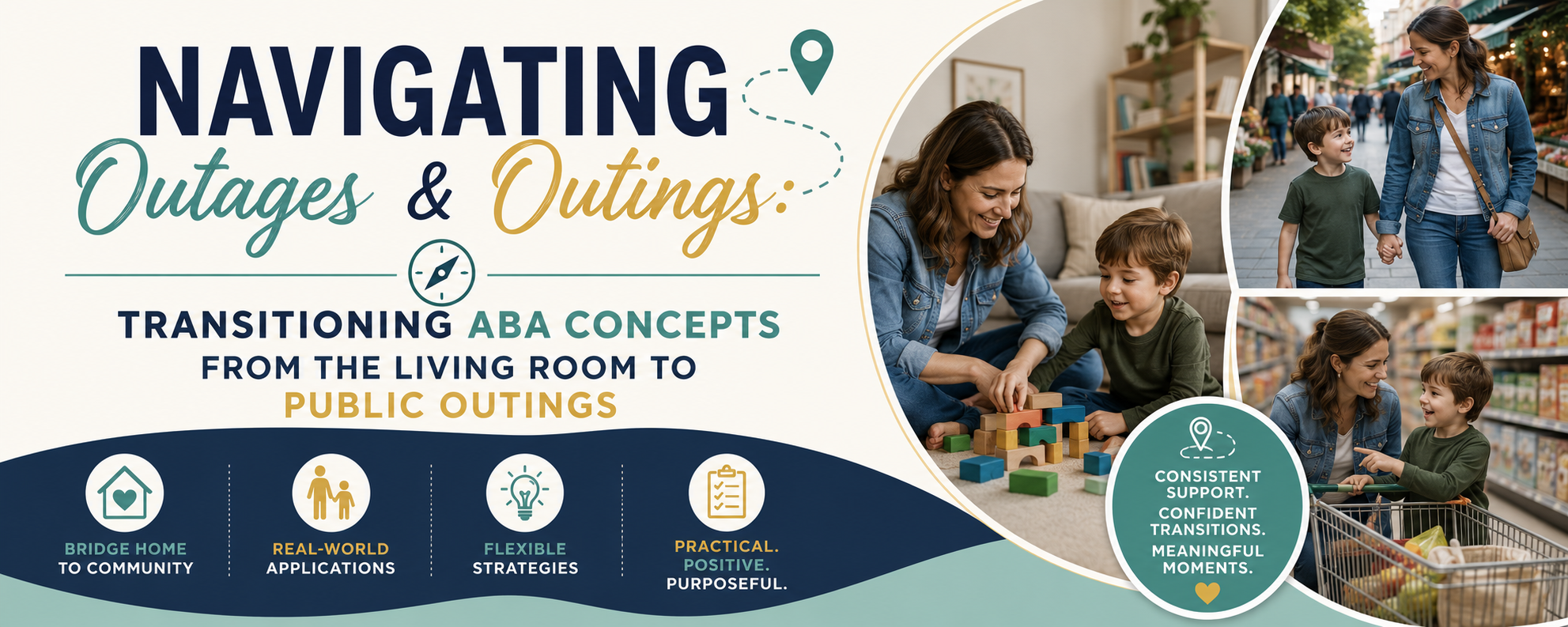
For many families, progress made during therapy sessions at home can feel encouraging and predictable. A child learns a new skill, follows directions more consistently, or develops better communication habits within a familiar environment. Then comes the real test: taking those same skills into the community.
A trip to the grocery store, a visit to the park, or a family outing can introduce distractions, unexpected changes, sensory challenges, and social situations that simply do not exist in the living room. Parents often wonder why a skill that appears mastered at home suddenly becomes difficult in public settings.
The answer is simple: skills must be practiced in multiple environments before they become part of everyday life.
One of the most important goals of quality ABA therapy is helping children use their skills wherever they go — not just during therapy sessions. Whether families participate in Home-Based ABA Therapy, Center-Based ABA, or a combination of both, successful treatment focuses on helping children apply learned behaviors in real-world situations.
Why Generalization Matters
In ABA therapy, “generalization” refers to the ability to use a learned skill across different settings, people, and situations.
Imagine a child learns to request a snack appropriately at home. While that skill is valuable, true independence develops when the child can also request food at a restaurant, communicate with a cashier, or ask for help during a community outing.
Without generalization, skills can remain tied to a specific location or routine.
Children with autism often benefit from structured teaching and repetition. While this helps build foundational skills, it can sometimes make transitions to new environments more challenging. A grocery store contains different sounds, sights, expectations, and distractions than a familiar therapy space.
This is why effective ABA therapy Highland Park, TX programs focus not only on skill acquisition but also on helping children apply those skills in everyday life.
Starting with Strong Foundations at Home
Before skills can successfully transfer into the community, they must first be developed and practiced consistently.
Many families begin by working through daily routines at home. These may include:
- Following simple directions
- Waiting appropriately
- Transitioning between activities
- Requesting desired items
- Practicing social greetings
- Managing frustration
- Completing tasks independently
Through Home-Based ABA Therapy, therapists can teach these skills within the child’s natural environment. Because home routines are familiar, children often feel more comfortable learning new concepts.
Parents also gain opportunities to observe strategies firsthand, which helps them support progress throughout the day.
Once a child demonstrates consistent success in familiar situations, therapy teams can begin expanding those skills into larger and more complex settings.
Moving Beyond the Living Room
Transitioning skills into public environments should happen gradually.
A common mistake is expecting a child to immediately perform new skills in highly stimulating settings. Instead, successful transitions typically follow a step-by-step approach.
For example:
- Practice requesting items at home.
- Practice requesting items from different family members.
- Practice requesting items in the backyard or neighborhood.
- Practice requesting items during a quick community visit.
- Expand to longer outings and more complex environments.
This gradual progression helps children build confidence while reducing frustration.
Families working with center-based autism services often find that therapists can create structured opportunities for practicing social, communication, and behavioral skills before introducing community-based experiences.
The goal is not perfection. The goal is helping children learn how to adapt their skills when circumstances change.
Grocery Store Success Strategies
The grocery store is one of the most common environments where parents notice challenges.
Bright lights, crowded aisles, unfamiliar people, loud announcements, and long checkout lines can create significant demands for children with autism.
Preparation often makes a tremendous difference.
Before leaving home, families may:
- Review expectations
- Discuss the shopping plan
- Create a visual checklist
- Practice waiting skills
- Identify rewards for successful participation
During the trip, parents can focus on achievable goals rather than expecting flawless behavior.
For one child, success may mean walking beside a parent for ten minutes.
For another, success may involve appropriately requesting a preferred item.
For others, success may be tolerating checkout lines without becoming overwhelmed.
When families work closely with providers offering ABA Parent Training, they learn practical techniques for reinforcing positive behaviors during these everyday experiences.
Consistent support across home and community settings helps children understand what is expected regardless of location.
Making the Most of Park Visits
Parks provide excellent opportunities for skill development because they naturally encourage communication, social interaction, flexibility, and physical activity.
However, parks can also present challenges.
Children may need support with:
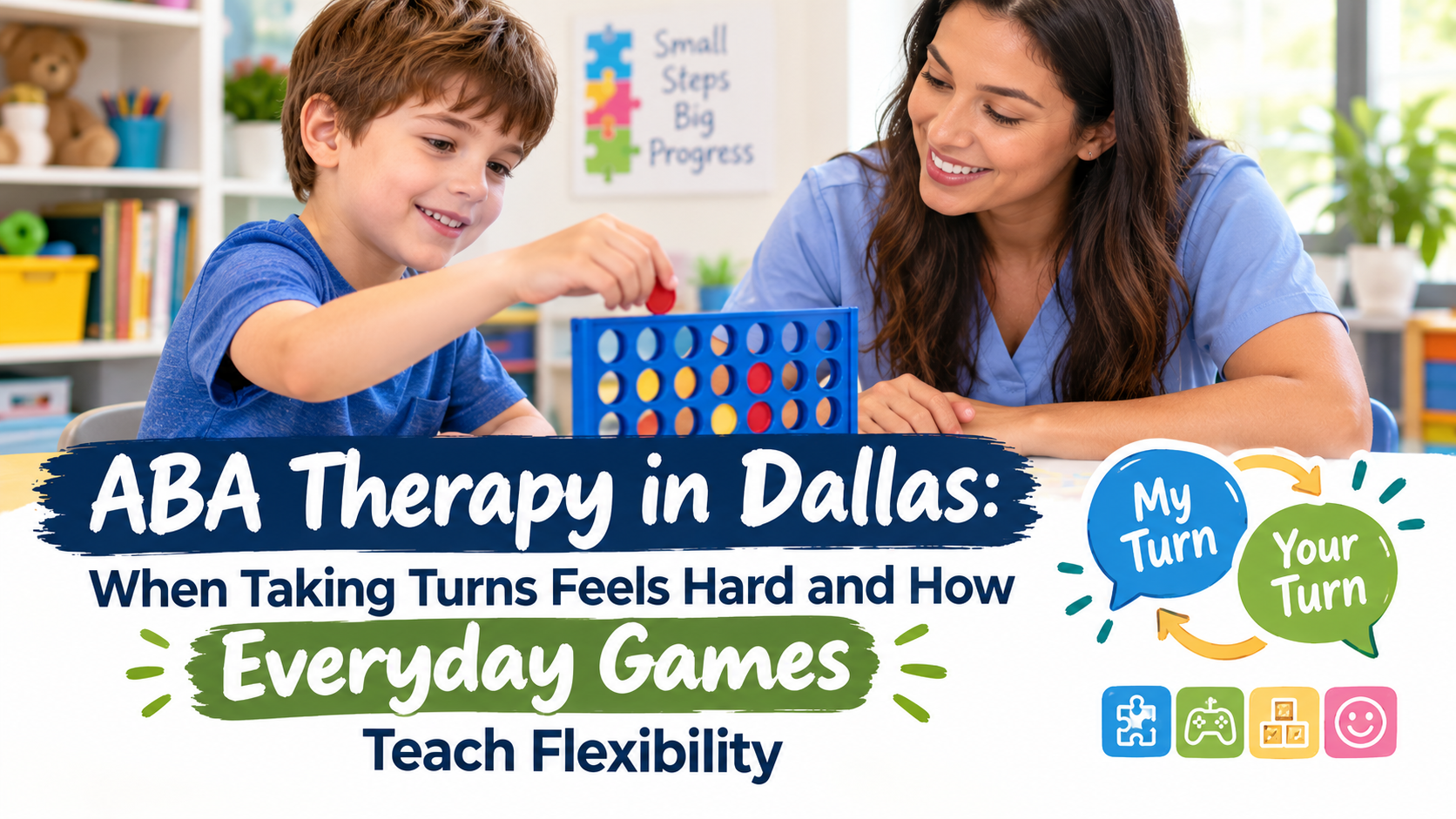
- Taking turns
- Sharing equipment
- Following safety rules
- Managing transitions
- Handling disappointment
- Responding to peers
Rather than viewing these situations as obstacles, many therapists see them as valuable teaching opportunities.
A child who learns to wait for a swing at the park is developing a skill that can later be used at school, in restaurants, and throughout daily life.
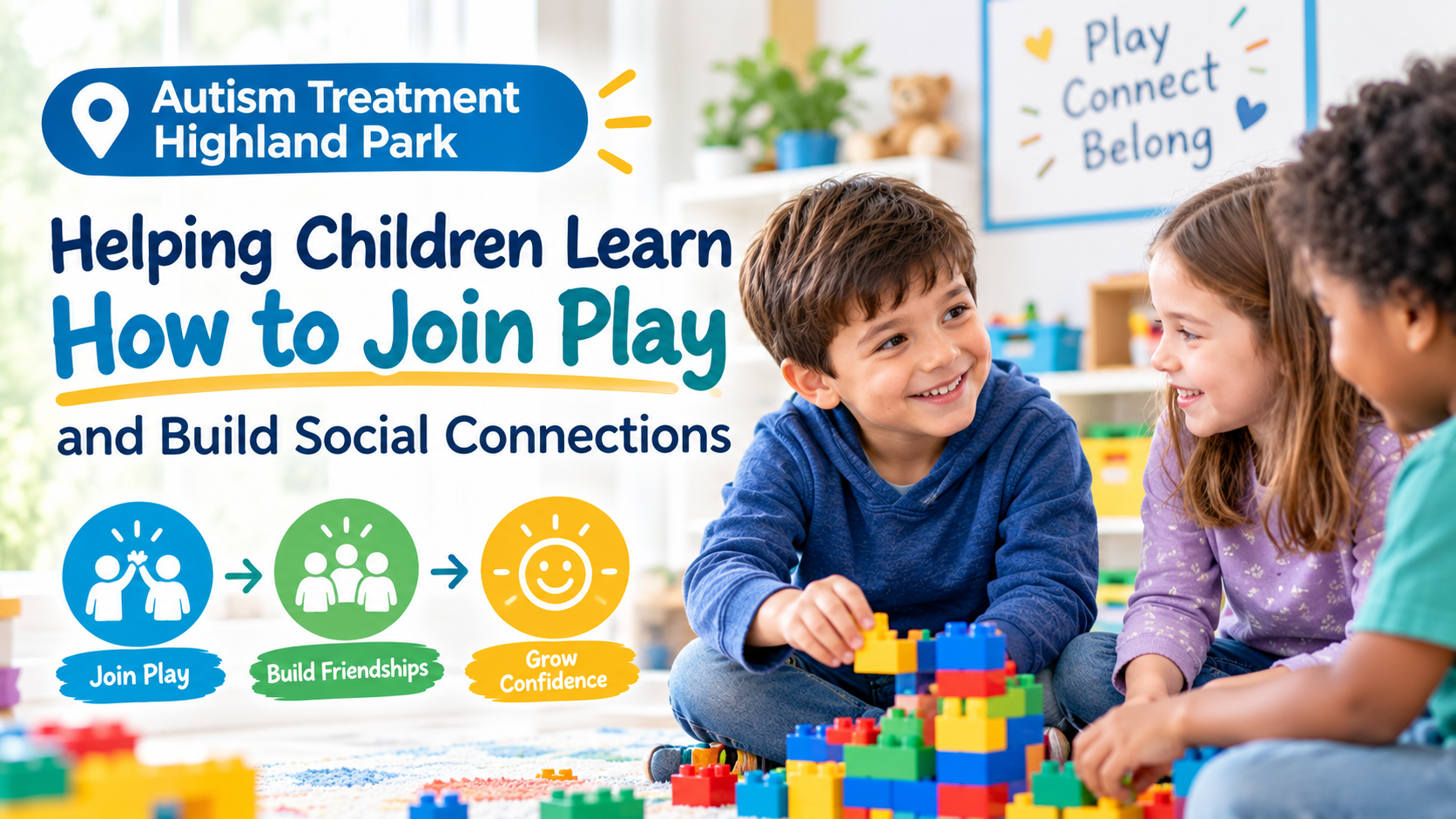
A child who learns to greet another child appropriately is building social confidence that extends far beyond the playground.
Programs that combine Center-Based ABA with real-world practice often create opportunities for children to strengthen these skills in increasingly natural settings.
The Important Role of Parents
Parents are often the most powerful teachers in a child’s life.
Therapy sessions may occur several hours each week, but families provide countless learning opportunities every day.
This is one reason parent training for autism remains such an important component of effective treatment.
When parents understand the strategies being used during therapy, they can reinforce those same skills during meals, errands, family gatherings, and community outings.
Examples include:
- Encouraging communication before providing desired items
- Reinforcing appropriate behavior immediately
- Preparing children for transitions
- Using consistent expectations
- Celebrating small successes
These everyday interactions help strengthen skills and promote long-term progress.
Families seeking Autism Treatment Highland Park often discover that parent involvement significantly improves outcomes because learning continues long after therapy sessions end.
Preparing for Unexpected Situations
No outing goes exactly as planned.
Stores become crowded. Weather changes unexpectedly. Equipment at the park may be unavailable. Plans may need to change without warning.
These situations can be difficult for many children, particularly those who thrive on predictability.
Therapy often focuses on helping children build flexibility over time.
Strategies may include:
- Practicing alternative choices
- Using visual supports
- Teaching coping skills
- Reinforcing calm responses
- Gradually introducing changes to routines
The objective is not eliminating challenges. Instead, it is helping children develop the tools needed to handle challenges more successfully.
Children who learn flexibility in structured environments are often better prepared when unexpected situations arise in public settings.
Building Community Confidence
For many families, community outings become easier with practice.
What initially feels overwhelming can gradually become part of a normal routine.
Each successful trip helps build confidence for both children and parents.
Small victories matter.
A child who stays with the family during a short shopping trip is making progress.
A child who uses words instead of becoming frustrated is making progress.
A child who waits patiently for a turn at the playground is making progress.
Over time, these small achievements combine to create meaningful growth.
Families searching for behavioral therapy Park Cities services often prioritize programs that focus on helping children develop skills that extend beyond therapy sessions and into everyday experiences.
The ultimate goal is greater independence, confidence, and participation in community life.
Finding Support That Extends Beyond Therapy Sessions
Every child learns differently, and every family faces unique challenges when navigating public outings.
The most effective treatment plans recognize that learning does not happen in only one location. Skills developed during therapy must eventually become part of daily routines, family activities, and community experiences.
Whether families choose in-home ABA therapy Dallas, structured Center-Based ABA programs, or a combination of both approaches, successful intervention focuses on helping children use their skills across all environments.
For families exploring ABA providers 75205, access to comprehensive support that includes home, center, parent involvement, and community-focused learning can make a meaningful difference.
As children gain confidence using communication, social, and behavioral skills in a variety of settings, they become better equipped to participate in the activities that matter most — family outings, community events, friendships, and everyday experiences.
Quality pediatric behavioral health Highland Park services recognize that true success is not measured solely by what happens during therapy sessions. Success is reflected in a child’s ability to navigate the world with greater independence, confidence, and connection.
For families seeking a trusted local ABA clinic Texas provider, choosing a program that emphasizes skill generalization can help ensure that progress made at home continues wherever life takes them — from the living room to the grocery store, the playground, and beyond.
Contact us at 972–310–4991 or visit https://radiantspectrumtherapy.com/ to learn more.